Why Does My Dog Have Hiccups & How Do I Treat Them?
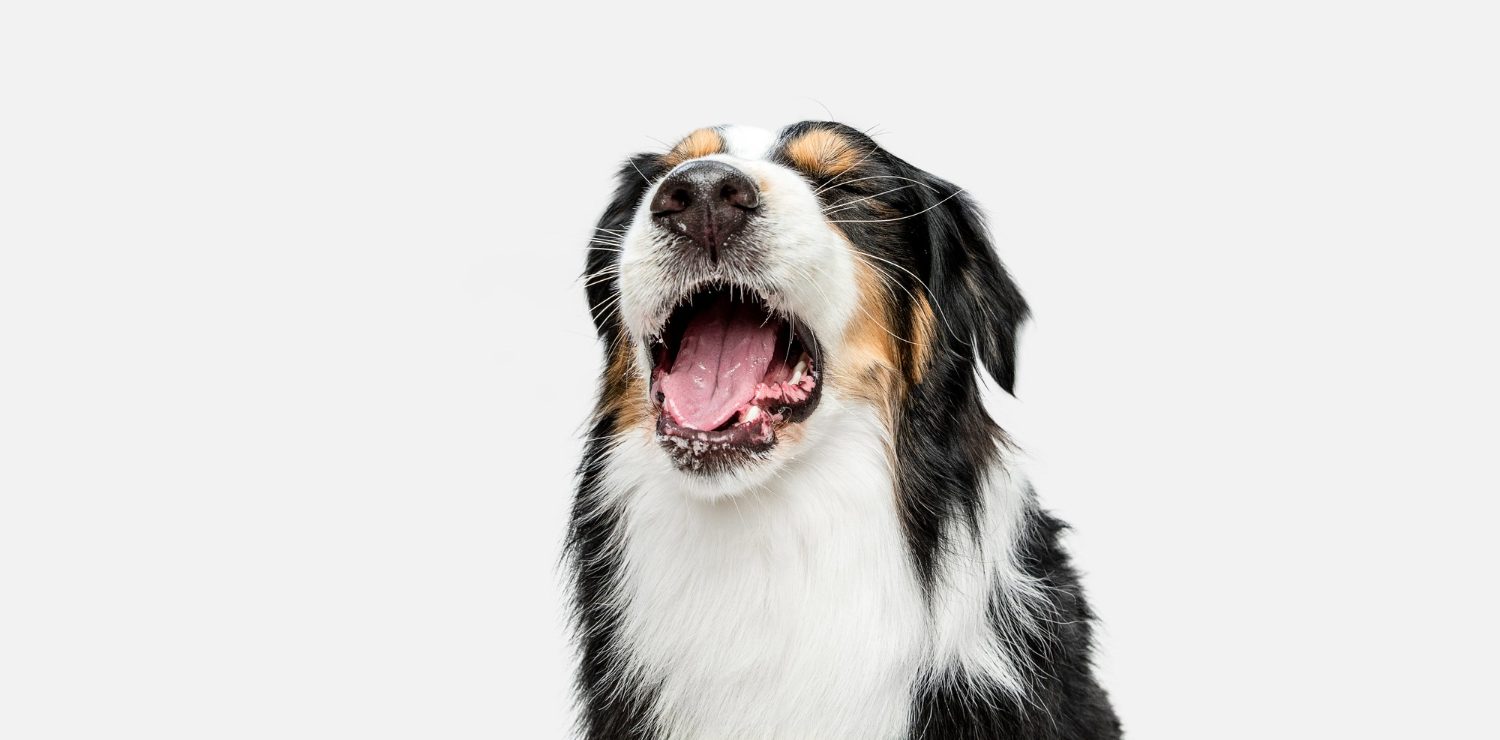
Just like us, dogs can experience hiccups! These hiccups are involuntary contractions of the diaphragm, the muscle that plays a crucial role in breathing. When it suddenly contracts, it causes a quick inhalation of air, resulting in the familiar “hic” sound. While dog hiccups might seem concerning at first, they’re usually completely normal and harmless. That said, knowing why they happen and when to take action can give you the peace of mind you deserve and keep your pup feeling secure.
Let’s explore everything you need to know about canine hiccups together, from understanding their causes to recognizing when it’s time to consult your veterinarian.
What’s Really Happening When Your Dog Gets Hiccups
Just like in humans, hiccups in our canine companions occur when the diaphragm, that important muscle separating the chest from the abdomen, experiences involuntary contractions. When the diaphragm spasms, it causes a sudden intake of breath that’s quickly cut off by the closing of the vocal cords, creating that distinctive “hic” sound we all recognize.
In dogs, these hiccups can be silent or audible, and you might notice your dog’s chest or belly moving in a rhythmic pattern. Some pups seem completely unbothered by their hiccups, going about their day as if nothing’s happening, while others might look confused or slightly uncomfortable. Understanding what your pet is experiencing helps us respond with the care and attention they need.
Why Your Beloved Pet Gets the Hiccups: Common Triggers to Know
Understanding what triggers hiccups in your furry friend can help you prevent them and know what to expect, giving both of you more peace of mind. Here are the most common reasons our dogs experience these little spasms.
When Mealtime Becomes Too Exciting: The Fast Eating Connection
This is by far the most common cause of hiccups in our canine companions. When your pup gobbles down their food or gulps water too quickly, often because they’re excited or anxious about mealtime, they swallow excess air along with their meal. This air can irritate the diaphragm and trigger those spasmodic contractions that result in hiccups.
Dogs who eat too quickly often do so because they’re competing with other pets for food, they’re extremely excited about mealtime, they’re using a regular bowl instead of a slow-feeder designed to promote healthier eating habits, or they’ve waited too long between meals and feel desperately hungry. Recognizing these patterns in your dog’s behavior helps address the root cause, making mealtime more comfortable and stress-free.
The Emotional Connection: How Excitement and Stress Trigger Hiccups
Strong emotions can significantly impact your dog’s breathing patterns. When dogs get overly excited during playtime or feel stressed in new situations, they might breathe rapidly or irregularly, which can lead to hiccups. Puppies are especially prone to excitement-induced hiccups because everything is new and stimulating to them.
Why Puppies Experience More Hiccups: Understanding Your Young Dog’s Development
If you have a puppy, you’ve probably noticed that they get hiccups much more frequently than adult dogs. Puppies have less mature nervous systems, and their diaphragms are still developing, making them more susceptible to these spasms. According to veterinary experts, most puppies outgrow frequent hiccups as they mature and their bodies develop better control over their breathing patterns. This is simply part of their growth journey, and while it might seem concerning, it’s typically nothing to worry about.
Environmental Factors: Cold Temperatures and Your Dog’s Comfort
Environmental triggers might also affect your furry friend. Sudden exposure to cold air or drinking very cold water can sometimes trigger hiccups in dogs. The rapid temperature change can cause the diaphragm to contract unexpectedly, leading to those familiar spasms. Being mindful of these environmental factors helps us create a more comfortable environment for our pets.
Digestive Discomfort: When Hiccups Signal Mild Stomach Upset
Occasionally, hiccups can result from mild stomach upset or digestive issues. If your dog has eaten something that disagrees with them or has mild indigestion, hiccups may accompany other symptoms, such as burping or restlessness. While this is usually temporary and resolves on its own, it’s important to monitor your pet and ensure they’re comfortable and secure.
How to Help Your Dog Through Hiccups
In most cases, dog hiccups resolve on their own within a few minutes to an hour, requiring no intervention. However, here are some gentle, effective methods we recommend trying to bring comfort to your pet.
Creating Calm
If excitement or stress triggered the hiccups, helping your dog relax can be remarkably effective in stopping them. Take your furry friend to a quiet space away from stimulation, speak in soft and reassuring tones, and offer gentle pets and cuddles. This approach helps regulate their breathing and can naturally break the hiccup cycle. We’ve found that this method works exceptionally well because it addresses the emotional component that often contributes to hiccups, helping your pet feel safe and secure.
Offering Water the Right Way
Giving your dog a few sips of room-temperature water can help reset the diaphragm and bring relief. Make sure they drink slowly and calmly. Offering water in a calm, controlled manner shows your pet that everything is okay and helps them regulate their breathing naturally.
Gentle Movement
Sometimes, a slow and calm walk can help regulate your dog’s breathing and naturally stop hiccups. The key word here is “gentle.” Think of it as a peaceful stroll that helps reset their system while keeping them comfortable and relaxed.
Recognizing When Hiccups Require Professional Care: Keeping Your Pet Safe
While hiccups are usually harmless and resolve quickly on their own, it’s essential to know when they warrant a closer examination or a visit to your veterinarian. Being informed about warning signs gives you the peace of mind that comes from knowing you’re taking the best possible care of your beloved pet.
Understanding Duration
Occasional hiccups lasting a few minutes to an hour are entirely normal and nothing to worry about. However, if your dog’s hiccups persist for several hours or occur multiple times throughout the day for several days, it’s time to consult your veterinarian. Chronic hiccups could indicate an underlying health issue that needs professional attention.
Warning Signs That Require Immediate Attention
We need to be vigilant about symptoms that accompany hiccups, as they can signal more serious conditions. Contact your veterinarian if your dog’s hiccups occur alongside vomiting or regurgitation, difficulty breathing or labored breathing, loss of appetite, lethargy or weakness, coughing or gagging, signs of pain or discomfort, or a bloated or distended abdomen. These accompanying symptoms suggest that something more than simple hiccups is affecting your pet, and professional evaluation is essential for their health and comfort.
When Breathing Becomes the Concern
In rare cases, what appears to be hiccups could actually be a sign of respiratory distress or other breathing problems. If your dog seems to be struggling to breathe, has blue-tinged gums, or appears panicked, seek emergency veterinary care immediately. Acting quickly gives your pet the best chance for a positive outcome.
Understanding Digestive Connections
Persistent hiccups can sometimes indicate gastroesophageal issues, such as acid reflux, gastritis, or even foreign body obstruction. If hiccups are frequent and don’t seem to be related to eating or excitement, your veterinarian can help rule out these conditions through appropriate testing and examination. Getting a proper diagnosis and treatment ensures your pet receives the care they need to feel comfortable and secure again.
How Can Pet Insurance Help You if Your Dog Needs Treatment?
Pet insurance can be a valuable tool in managing the costs of treating a dog’s veterinary expenses. By having a pet insurance policy in place, you can have peace of mind knowing that you can provide medical care for your furry companion without worrying about the financial burden. Pet insurance can help cover the costs of veterinary consultations, diagnostic tests, medications, and even specialized treatments if required.
Reimbursement
This method is the most common for pet insurance companies. You pay out of pocket for the veterinarian bill, and then the insurance company reimburses you for what’s covered under the insurance plan. The steps look like this.
- You pay the vet bill after your dog’s visit.
- You fill out the pet insurance claim form.
- Submit the claim form and other required documentation to the insurer.
- After the claim is approved, you will be reimbursed for eligible expenses.
What Does Odie Pet Insurance Cover?
Pet insurance covers various veterinary expenses, providing financial protection and peace of mind for pet owners. Here are the details of the coverage options offered by Odie Pet Insurance:
Illness & Injury Plan
The Illness & Injury Plan is designed to cover a wide range of medical needs for your pet. This plan includes comprehensive coverage for various illnesses, injuries, and veterinary services. Some of the covered items include:
- Veterinary exams and consultations
- Diagnostics (e.g., X-rays, lab tests)
- Prescribed medications
- Surgeries and hospitalization
- Rehabilitation, acupuncture, or chiropractic treatments
- Medically necessary supplies
The Wellness Plan
The Wellness Plan is a monthly membership that focuses on preventive care and covers routine veterinary services.
- Provides reimbursements for routine care items such as wellness visits (exams and vaccines), testing and parasite prevention, dental cleanings and at-home dental care, vitamins, supplements, and more.
- Through Odie’s partnership with Petivity, a leader in smart pet products and proactive care, Wellness Plan members can also receive reimbursements for Petivity devices and health kits, as well as eligible Purina food and supplements.
- Total reimbursement up to $700 per year.