Dog Vaccinations: Roadmap to Your Canine’s Health
The short answer: Dog vaccinations protect against serious and potentially fatal diseases, including rabies, parvovirus, distemper, and hepatitis. Puppies start their vaccine series as early as 6 to 8 weeks of age and receive boosters every three to four weeks until 16 weeks old. Adult dogs need core vaccine boosters every one to three years depending on the vaccine, with rabies timing determined by state law. Staying current on vaccinations is one of the most effective and affordable ways to protect a dog’s long-term health.
Key Takeaways
- Core vaccines (Rabies, Distemper, Leptospirosis, Parvovirus, Hepatitis) are recommended for all dogs regardless of lifestyle. Rabies vaccination is legally required in the United States.
- Puppies need a series of vaccines starting at 6 to 8 weeks old, with boosters every 3 to 4 weeks until 16 weeks, because maternal antibodies interfere with vaccine effectiveness early in life.
- Most adult dogs need DHPP boosters every three years and a rabies booster every one or three years depending on state law and vaccine type.
- Lifestyle vaccines including Bordetella, Lyme disease, and canine influenza are recommended based on a dog’s exposure risk rather than universally.
- Mild vaccine side effects, including temporary soreness, mild fever, and reduced energy, are normal and typically resolve within 24 to 48 hours.
- Vaccine-preventable diseases like parvovirus and distemper can cost thousands of dollars to treat when they occur in unvaccinated dogs, and some are fatal even with treatment.
In This Article
- Core vs. Lifestyle (Non-Core) Vaccines
- Puppy Vaccination Schedule by Age
- Key Vaccines for Dogs: What Each One Protects Against
- How Veterinarians Determine Which Vaccines Your Dog Needs
- Dog Vaccine Side Effects: What’s Normal and What’s Not?
- When Is a Dog Considered Fully Vaccinated?
- What Happens If My Dog Misses a Vaccine?
- Can Vaccinated Dogs Still Get Sick?
- Dog Vaccination Requirements for Boarding, Grooming, and Daycare
- How Much Do Dog Vaccinations Cost?
- Frequently Asked Questions
Core vs. Lifestyle (Non-Core) Vaccines
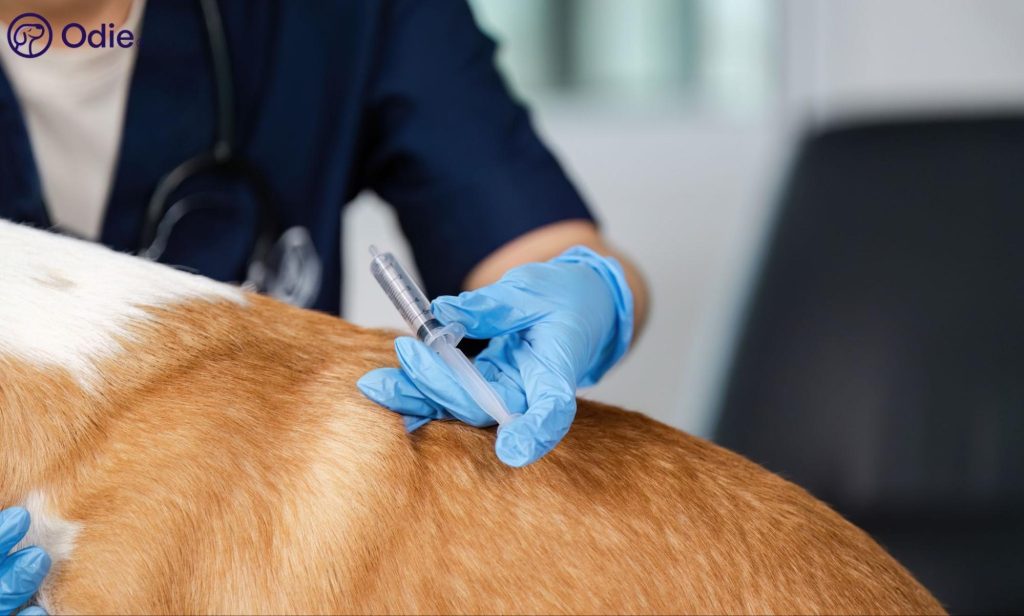
Dog vaccines fall into two categories: core vaccines, which are recommended for every dog regardless of lifestyle, and lifestyle vaccines, sometimes called non-core vaccines, which are recommended based on a dog’s specific exposure risk.
Core vaccines protect against diseases that are widespread, highly contagious, life-threatening, or transmissible to humans. Every dog, whether an indoor lap dog or a working outdoor dog, benefits from these. Lifestyle vaccines address diseases that are significant but more geographically limited, less contagious, or dependent on specific exposure circumstances. The table below shows both categories with key details.
| Vaccine | Core or Lifestyle | Frequency | Who Needs It |
| Rabies | Core | Every 1 or 3 yrs | All dogs — legally required in the US |
| DHPP (distemper, hepatitis, parainfluenza, parvovirus) | Core | Every 3 yrs (after initial series) | All dogs |
| Bordetella (kennel cough) | Lifestyle | Every 6–12 months | Dogs in boarding, grooming, daycare, dog parks, or training classes |
| Leptospirosis | Core | Annual | All dogs, especially dogs with outdoor exposure, wildlife contact, or in endemic regions (Midwest, Eastern US) |
| Lyme disease | Lifestyle | Annual | Dogs in tick-endemic areas, especially Northeast, upper Midwest, and Pacific coast |
| Canine influenza (H3N2 / H3N8) | Lifestyle | Annual | Dogs in high-contact environments (boarding, shows, shelters) |
The decision about which lifestyle vaccines are appropriate for a specific dog is made in conversation with a veterinarian who knows the dog’s routine, location, and health history. A dog that never leaves the yard and has no contact with other animals has a different risk profile than a dog that attends weekly obedience classes, visits dog parks, hikes in wooded areas, or boards regularly.
Puppy Vaccination Schedule by Age
Puppies receive maternal antibodies through their mother’s milk while nursing. These antibodies provide early protection but gradually decline after weaning, leaving the puppy vulnerable to disease. The puppy vaccination series is timed to provide protection as maternal immunity wanes, but because the timing of that decline varies between individual puppies, a series of doses given three to four weeks apart is needed rather than a single early vaccination.
| Age | Core Vaccines | Optional / Lifestyle Vaccines |
| 6–8 weeks | DHPP (distemper, hepatitis, parainfluenza, parvovirus), first dose | Bordetella (if attending puppy classes or daycare) |
| 10–12 weeks | Leptospirosis (first dose if lifestyle warrants); DHPP – second dose | Lyme disease (first dose in endemic areas) |
| 14–16 weeks | Leptospirosis (second dose); DHPP – third dose; Rabies (first dose; legally required) | Lyme disease (second dose); Canine influenza |
| 12–16 months | Leptospirosis annual; DHPP booster; Rabies booster (1-year booster) | Bordetella annual; Lyme annual |
| Adult (every 1–3 years) | Leptospirosis annual; Rabies every 1 or 3 years (state law dependent); DHPP every 3 years after initial boosters | Bordetella every 6–12 months; Lyme annual if exposed; Influenza annual |
The final puppy vaccination before 16 weeks is particularly important. If the maternal antibodies are still present at the time of an earlier dose, they can interfere with the vaccine’s effectiveness, which is why the full series is needed to ensure the puppy builds its own lasting immunity. A single dose, even if given at the right age, does not guarantee full protection.
After completing the puppy series, a booster is given at 12 to 16 months. This booster is sometimes called the one-year booster and is not optional: it consolidates the protection established by the puppy series and triggers a more durable immune response that then supports the adult booster schedule.
Key Vaccines for Dogs: What Each One Protects Against
Distemper
Canine distemper is a contagious and often fatal viral disease that affects the respiratory, gastrointestinal, and central nervous systems. There is no cure. Early symptoms include eye and nasal discharge, fever, and cough, progressing to vomiting, diarrhea, and in later stages, neurological signs including seizures and muscle twitching. Distemper spreads through airborne droplets and indirect contact with contaminated surfaces, meaning unvaccinated indoor dogs are not fully protected from exposure.
Parvovirus
Parvovirus is one of the most serious threats to unvaccinated dogs, particularly puppies. The virus attacks the gastrointestinal system, causing severe vomiting, bloody diarrhea, dehydration, and in many cases death without aggressive veterinary treatment. Parvovirus is extremely hardy and can survive in the environment for months to years, including on surfaces, soil, and clothing. Hospitalization for parvovirus treatment costs several thousand dollars and does not guarantee survival.
Rabies
Rabies is a fatal viral disease that affects the brain and spinal cord and is transmissible from animals to humans. Once clinical symptoms appear, the disease is invariably fatal in both animals and humans. Rabies vaccination is legally required for dogs throughout the United States, and proof of current vaccination is required for travel to many countries, for boarding and licensing, and in the event of a bite incident. The first dose is given at 12 to 16 weeks, with a booster at one year and subsequent boosters every one or three years depending on state law and the vaccine label.
Hepatitis (Adenovirus)
Canine infectious hepatitis is caused by adenovirus type 1 and primarily affects the liver. It spreads through contact with urine, feces, saliva, or nasal discharge from infected dogs. The adenovirus type 2 component included in the DHPP combination vaccine provides cross-protection against both hepatitis and a component of kennel cough.
Bordetella (Kennel Cough)
Bordetella bronchiseptica is a primary bacterial cause of infectious tracheobronchitis, commonly called kennel cough. The disease is highly contagious in group dog settings and produces a characteristic harsh, honking cough that can persist for weeks. Most boarding facilities, groomers, doggy daycares, and dog parks require this vaccine, typically administered within the past six to twelve months depending on the facility’s policy.
Leptospirosis
Leptospirosis is a bacterial disease transmitted through contact with water or soil contaminated by infected wildlife urine, including that of raccoons, rodents, and deer. It can cause serious kidney and liver damage in dogs and is also transmissible to humans. It is most prevalent in the Midwest, the eastern United States, and areas with significant rainfall and wildlife. Annual vaccination is recommended for dogs with any outdoor exposure in endemic regions.
Lyme Disease
Lyme disease is transmitted by black-legged ticks and causes joint pain, lameness, fever, and, in some dogs, kidney complications. It is most common in the Northeast, upper Midwest, and Pacific coast. Vaccination is recommended alongside tick prevention for dogs with outdoor exposure in these regions. The initial series requires two doses three to four weeks apart, followed by annual boosters.
How Veterinarians Determine Which Vaccines Your Dog Needs
The vaccine protocol for any individual dog is not one-size-fits-all. A veterinarian who knows a dog’s history, lifestyle, and geographic location will recommend vaccines based on actual exposure risk rather than a blanket protocol.
- Lifestyle assessment: Does the dog board, get groomed, go to dog parks, or attend training classes? Does it hike, swim in natural water sources, or have contact with wildlife? Each activity changes the exposure profile for specific diseases.
- Geographic location: Some diseases, including Lyme disease, are significantly more prevalent in specific regions. A veterinarian with local knowledge of disease prevalence provides the most relevant lifestyle vaccine recommendations.
- Age and health status: Puppies, senior dogs, and dogs with immune conditions or those on immunosuppressive medications may have modified vaccine protocols. Some vaccines are not appropriate for dogs with certain health conditions.
- Titer testing: In some situations, a blood test that measures antibody levels can confirm whether a dog has protective immunity from prior vaccination. Titers can replace routine boosters for some vaccines in dogs when avoiding repeated vaccination is a clinical consideration.
Veterinarians use guidelines from the American Animal Hospital Association (AAHA) Canine Vaccination Guidelines, which are updated periodically, to inform their recommendations. These guidelines provide evidence-based protocols for both core and lifestyle vaccines and form the clinical foundation for the schedule above.
Dog Vaccine Side Effects: What’s Normal and What’s Not?
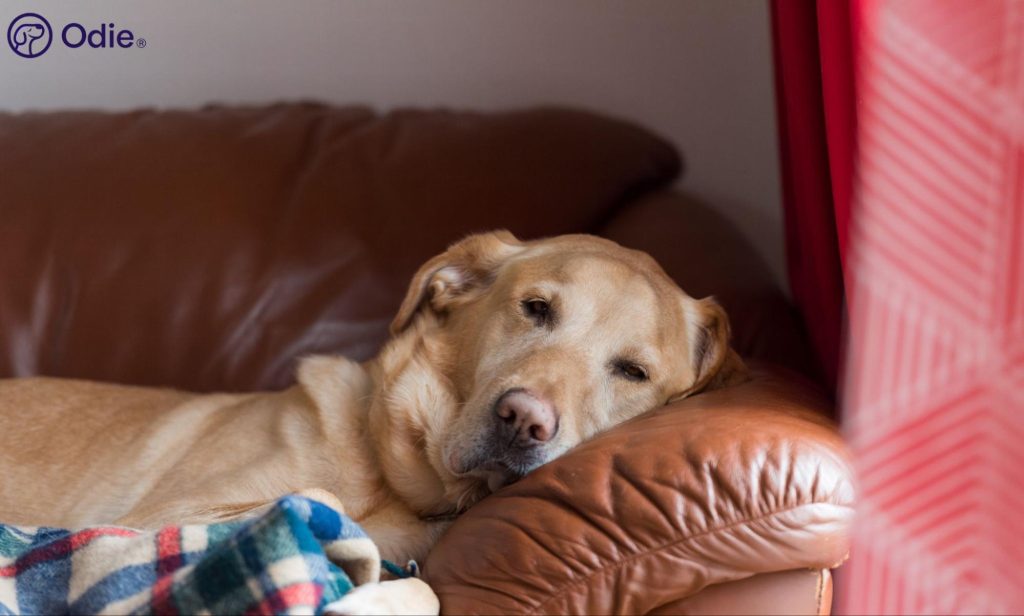
Most dogs experience no significant reaction to vaccination, and the side effects that do occur are almost always mild and self-limiting. Understanding what is normal helps owners distinguish expected post-vaccine responses from signs that warrant a call to the veterinarian.
Normal Side Effects (Resolve Within 24 to 48 Hours)
- Temporary soreness, swelling, or firmness at the injection site
- Mild lethargy or reduced activity for the remainder of the day
- Reduced appetite for several hours after vaccination
- Low-grade fever
- Slight runny nose or sneezing within a few days of an intranasal Bordetella vaccine
These responses reflect the immune system activating in response to the vaccine. They do not mean the vaccine caused illness. Allow the dog to rest and limit vigorous exercise for the rest of the day after vaccination. Food and water should remain available.
Signs That Warrant a Call to the Vet
- Facial swelling, hives, or itching beginning within an hour of vaccination
- Repeated vomiting or diarrhea after vaccination
- Severe lethargy or collapse
- Difficulty breathing or pale gums
- A firm lump at the injection site that persists for more than three weeks
Allergic reactions to vaccines are uncommon but can occur, most often within 30 to 60 minutes of administration. Clinics typically ask owners to wait at the facility for 15 to 20 minutes after vaccination for this reason. If a dog has had a prior vaccine reaction, the veterinarian should be informed before future vaccines are administered so a modified protocol or pre-treatment can be considered.
When Is a Dog Considered Fully Vaccinated?
A dog is considered fully vaccinated once it has completed its initial puppy series, received the one-year booster at 12 to 16 months, and is current on adult boosters for all core vaccines. For practical purposes, many boarding facilities and groomers consider a dog fully vaccinated when it has current documentation for the specific vaccines they require, typically rabies, DHPP, and Bordetella.
A puppy that has received its second vaccination is significantly better protected than an unvaccinated puppy, but is not fully protected. Full protection from the puppy series develops about two weeks after the final dose, typically given at 14 to 16 weeks. This is why puppies should avoid high-risk environments, including dog parks and areas frequented by unknown dogs, until two weeks after their final puppy vaccine.
What Happens If My Dog Misses a Vaccine?
Missing a scheduled vaccine reduces a dog’s protection against the disease that vaccine covers. How significantly this matters depends on which vaccine was missed, how long ago it was due, and the dog’s current exposure risk.
For core vaccines that are overdue by a few weeks or a month, most veterinarians recommend administering the missed vaccine as soon as possible. The dog does not necessarily need to restart a full series simply because a booster was slightly late.
If a dog has missed vaccines for more than three months, veterinarians typically recommend restarting the series rather than assuming partial protection from prior doses remains. For puppies that miss a dose in the middle of their series, the series should be resumed as soon as possible rather than starting over, as long as the gap is not excessive.
- Core vaccines overdue by less than three months: Administer the missed vaccine and resume the normal schedule.
- Core vaccines overdue by three months or more: Consult with the veterinarian; restarting the series or administering additional doses may be recommended.
- Puppy series interrupted: Resume where left off if the gap is within a few weeks; restart if a significant period has passed.
- Lapsed rabies vaccination: Contact your veterinarian and local animal control; some jurisdictions have specific requirements for dogs with lapsed rabies status.
| Preventing illness through vaccination is one of the most cost-effective things a dog owner can do. When an illness does occur, Odie Pet Insurance can help cover treatment costs. |
Can Vaccinated Dogs Still Get Sick?
Yes, though significantly less likely to do so. No vaccine is 100 percent effective in every individual animal. Vaccines substantially reduce the risk of infection and, when infection does occur in a vaccinated dog, typically reduce the severity of the disease. A vaccinated dog that is exposed to parvovirus may develop a milder case than an unvaccinated dog and is far more likely to survive with appropriate treatment.
The effectiveness of a vaccine depends on the dog’s immune system response to the vaccine, the strength of exposure, and whether the vaccine has been stored and administered correctly. A dog with an immune condition or one taking immunosuppressive medications may not mount a full protective response to vaccination, which is one reason veterinarians assess immune status when making vaccine recommendations for dogs with known health conditions.
Vaccine-preventable disease can still occur in vaccinated dogs if immunity has waned between boosters, if a new disease strain has emerged that the existing vaccine formulation does not cover, or if the dog was vaccinated too recently for full immunity to develop before exposure. These scenarios are uncommon, and the protection provided by vaccination remains far greater than the risk of remaining unvaccinated.
Dog Vaccination Requirements for Boarding, Grooming, and Daycare
Most professional pet care facilities require proof of current vaccination before accepting a dog. Requirements vary between facilities, but the following vaccines are most commonly required.
Standard Requirements at Most Facilities
- Rabies: Current vaccination documentation required at virtually all facilities. Most require a valid rabies certificate showing the date administered, the vaccine product, and the expiration date.
- DHPP or DA2PP: The core combination vaccine is required at most boarding kennels, doggy daycares, and veterinary boarding facilities.
- Bordetella: Required at most facilities that involve contact with other dogs, including boarding, grooming, daycare, training classes, and some dog parks. Many facilities require Bordetella within the past six months rather than twelve months.
- Leptospirosis: Recommended for all dogs because leptospirosis can occur in urban, suburban, and rural environments. It may also be required by some boarding or daycare facilities.
Sometimes Required
- Canine influenza (H3N2 and H3N8): Required at some larger boarding facilities and dog shows, particularly following influenza outbreaks in the region.
Confirming a specific facility’s current vaccination requirements before booking is the most reliable approach, since requirements vary and change. Some facilities accept titer test results in lieu of certain vaccines for dogs with documented prior immunity.
How Much Do Dog Vaccinations Cost?
Individual vaccines typically cost between $20 and $50 each, though prices vary by region, clinic type, and whether the vaccine is administered during a standard wellness exam or a vaccine-only visit. The office visit fee, typically $40 to $80, is usually billed separately from the cost of individual vaccines.
Combination vaccines such as the DHPP are priced as a single vaccine despite covering multiple diseases, making them cost-efficient relative to separate individual vaccines. A full annual wellness appointment including the DHPP booster, rabies if due, Bordetella, and an exam typically costs $150 to $300 at a private practice. Low-cost vaccination clinics offered through some shelters, pet retail stores, and community organizations provide core vaccines at significantly reduced cost, sometimes $10 to $25 per vaccine without an exam fee.
Odie’s Wellness Plan covers routine veterinary services including wellness exams and vaccines as part of its preventive care reimbursement structure, up to the annual benefit limit. This can meaningfully offset the annual cost of keeping a dog current on its vaccination schedule.
Frequently Asked Questions
What vaccines does my dog need every year?
The vaccines most commonly given annually are Bordetella, Leptospirosis, Lyme disease (if the dog is in an endemic area), and canine influenza (if the dog has relevant exposure). Core vaccines, including DHPP and rabies, are given less frequently after the initial puppy series: DHPP every three years and rabies every one or three years depending on state law and the specific vaccine product used. The one-year booster after the puppy series is an exception, after which the three-year cycle applies.
When can a puppy go outside after vaccinations?
A puppy can begin walking in low-risk outdoor environments after the second vaccination in the series, with some precautions. They should avoid dog parks, pet stores, and areas frequented by unknown dogs until two weeks after their final puppy vaccine, typically at 16 to 18 weeks. Brief outdoor walks in quiet areas, exposure to your own yard, and visits to the homes of fully vaccinated dogs are generally appropriate during the vaccination series and support important socialization development.
How long does the rabies vaccine last for dogs?
The duration of protection provided by the rabies vaccine depends on the specific product administered. Some rabies vaccines are labeled for one year and require annual boosters. Others are labeled for three years and provide legally recognized protection for that duration. After a dog’s initial rabies vaccine, a booster is given at one year, after which the dog moves to the one-year or three-year schedule depending on product, state law, and veterinarian recommendation. State law determines the legally required interval, and some states only recognize specific vaccine products for the three-year interval.
Can dogs get all their vaccines at once?
Yes, and this is standard practice. Combination vaccines such as the DHPP or DAPP protect against four to five diseases in a single injection. A dog can receive the DHPP, rabies, Bordetella, and Leptospirosis vaccines at the same appointment without concern. Veterinarians may occasionally spread vaccines across visits for dogs with a prior history of vaccine reactions or for very small dogs where managing any potential reaction is easier with fewer vaccines given simultaneously.
What is the difference between DHPP, DA2PP, and DAPP?
These abbreviations refer to combination vaccines that cover the same core diseases but may differ in which specific adenovirus strain is included. DHPP covers distemper, hepatitis (adenovirus), parvovirus, and parainfluenza. DA2PP replaces the hepatitis component with adenovirus type 2, which provides cross-protection against both hepatitis (adenovirus type 1) and one component of kennel cough. DAPP is another variation of the same combination. All three provide equivalent core protection, and the choice between them is typically the veterinarian’s preference based on product availability.
Do indoor dogs need vaccines?
Yes. Rabies vaccination is legally required for all dogs regardless of whether they go outdoors, because any dog can potentially encounter wildlife or escape and be exposed. Core vaccines, including DHPP and Leptospirosis, are also recommended for indoor dogs because several of the diseases they prevent can survive in the environment and be tracked in on shoes or clothing without any direct animal contact. Lifestyle vaccines for Lyme disease and Bordetella can be discussed with a veterinarian based on the specific dog’s situation, but core vaccines are not optional regardless of lifestyle.
Conclusion
Staying current on a dog’s vaccination schedule is one of the highest-value investments in long-term canine health. Core vaccines protect against diseases that are fatal, incurable, or legally required to prevent, and they do so reliably and affordably. Lifestyle vaccines extend that protection to diseases relevant to a dog’s specific activities and environment. Together, they form the foundation of preventive care that keeps dogs healthy and reduces the likelihood of the expensive, stressful treatments required when vaccine-preventable illness occurs.
The best vaccination plan is developed in partnership with a veterinarian who knows the individual dog. A reliable schedule, consistent follow-through on boosters, and an honest conversation about the dog’s lifestyle and exposure risks are all that is needed to give any dog strong, lasting protection throughout their life.