How Much Does Dog Blood Work Cost? Understanding Full Panel Pricing
The short answer: Dog blood work typically costs $100 to $200 for a basic panel and $150 to $450 for a comprehensive senior panel, depending on the type of testing, your location, and whether analysis is done in-house or at an external lab. Specialized tests such as thyroid panels, allergy testing, or extended diagnostics can push costs higher. Blood work helps detect infections, anemia, organ dysfunction, diabetes, thyroid disorders, and other conditions before symptoms become severe, making it one of the most valuable tools in preventive veterinary care.
Key Takeaways
- A basic blood panel (CBC + chemistry) costs $100 to $200 and is the standard for annual wellness exams in healthy adult dogs.
- Comprehensive senior panels, which add thyroid testing and urinalysis, typically range from $150 to $450 depending on location and the number of tests included.
- In-house testing at the clinic is generally less expensive than sending samples to an external lab, which can add $50 to $150 to the total.
- Additional costs beyond the blood test itself include the office visit fee ($40 to $80) and any follow-up testing prompted by abnormal results.
- Blood work is recommended annually for adult dogs, twice yearly for seniors, before anesthesia, when symptoms are present, and for monitoring chronic conditions.
- Odie’s Illness and Injury Plan covers diagnostic blood work for illness and injury; the Wellness Plan covers routine blood testing as part of preventive care.
In This Article
- What You Can Expect to Pay for Dog Blood Work
- Blood Panel Cost Breakdown by Test Type
- What’s Actually Being Tested in a Full Blood Panel
- What Affects the Cost of Your Dog’s Blood Work
- When Does Your Dog Actually Need Blood Work
- Preparing Your Dog for Blood Work
- What Happens During the Blood Work Process
- Additional Costs Beyond the Blood Test Itself
- How Pet Insurance Helps With Blood Work Costs
- Frequently Asked Questions
What You Can Expect to Pay for Dog Blood Work
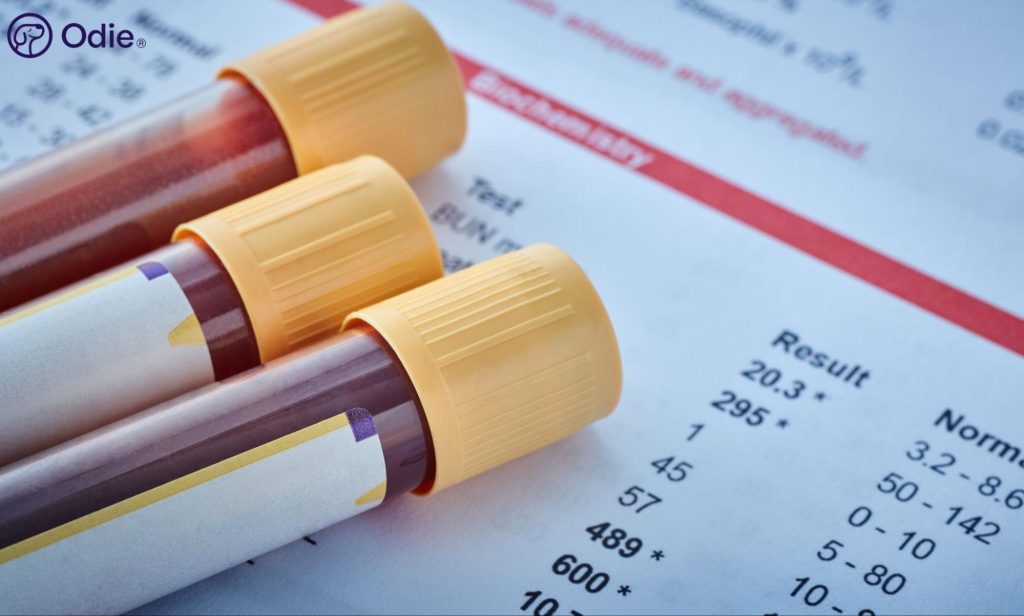
A routine full blood panel for dogs, which typically includes a Complete Blood Count and a chemistry panel, costs between $100 and $200 at most veterinary clinics. This range reflects the national typical cost for healthy adult dogs receiving a standard wellness or diagnostic workup at a private practice.
Costs vary based on where you live, the specific tests ordered, and whether the blood is analyzed in-house or sent to an outside laboratory. Clinics in major metropolitan areas charge more than those in smaller cities or rural areas due to higher operating costs. In-house testing is generally less expensive and delivers results faster, while external lab testing costs more but handles specialized panels that in-house equipment cannot process.
Real-world examples from the existing article illustrate this range. One Golden Retriever owner in Orlando paid $336 for a senior bloodwork panel. Another in South Florida paid $201 for a comprehensive senior panel and urinalysis run in-house. In North Carolina, a senior panel with fecal testing, urinalysis, thyroid screening, blood count, heartworm testing, and parasite testing came to $165 plus a $54 exam fee. These figures reflect the variation owners actually experience across regions.
Blood Panel Cost Breakdown by Test Type
The table below covers the most commonly ordered blood tests and panels, with typical cost ranges and a brief description of what each one evaluates. These figures reflect standard pricing at private veterinary clinics and do not include the office visit fee, which is typically billed separately.
| Test Type | Typical Cost Range | What It Evaluates |
| Complete Blood Count (CBC) | $50–$150 | Red and white blood cells, platelets, hemoglobin; screens for anemia, infection, immune issues, clotting problems |
| Chemistry / Metabolic Panel | $60–$150 | Liver enzymes, kidney values (BUN, creatinine), blood glucose, electrolytes, pancreatic enzymes |
| Basic Blood Panel (CBC + Chemistry) | $100–$200 | Comprehensive overview of organ function and blood health; standard for annual wellness exams |
| Comprehensive Senior Panel | $150–$450 | CBC, chemistry, thyroid (T4), urinalysis, and often heartworm and tick-borne disease screening |
| Thyroid Panel (T4) | $70–$200 | Thyroid hormone levels; screens for hypothyroidism (common in dogs) and monitors treatment response |
| Pre-Anesthesia Panel | $80–$200 | Subset of CBC and chemistry run before surgery to confirm the dog is safe for anesthesia |
| Allergy Blood Testing | $200–$700 | Environmental and food allergen panels; identifies specific triggers for chronic skin, ear, or GI issues |
| Specialized / Extended Panels | $300–$1,500+ | Panels for cancer markers, bile acids, hormonal disorders, infectious disease titers, or complex diagnostics |
For context on the higher end of this range: a comprehensive panel ordered during an emergency visit, sent to an outside laboratory, and supplemented with specialized hormone or toxin screening can reach $500 to $1,500 or more. These scenarios are less common for routine screening and more typical of complex diagnostic workups for dogs showing significant symptoms or with a suspected serious diagnosis.
What’s Actually Being Tested in a Full Blood Panel
Understanding what each component of a blood panel measures helps owners make sense of the costs and interpret the results when they arrive. The table below covers the main elements included in a standard full blood panel.
| Component | What It Measures | Conditions It Can Detect |
| Red blood cells (RBC) | Count, size, and hemoglobin content | Anemia, dehydration, blood loss, bone marrow disorders |
| White blood cells (WBC) | Total count and differential (types of WBC) | Infection, inflammation, immune disorders, leukemia |
| Platelets | Number and clotting function | Clotting disorders, tick-borne disease, immune-mediated thrombocytopenia |
| Liver enzymes (ALT, ALP, AST) | Enzyme levels indicating liver cell activity | Liver disease, toxin exposure, medication side effects, gallbladder issues |
| Kidney values (BUN, creatinine, SDMA) | Waste product levels filtered by kidneys | Kidney disease, dehydration, urinary obstruction |
| Blood glucose | Sugar level in the blood | Diabetes, insulinoma, stress response, pancreatitis |
| Electrolytes (Na, K, Cl) | Mineral balance in the blood | Dehydration, Addison’s disease, kidney disease, vomiting/diarrhea effects |
| Thyroid hormone (T4) | Level of circulating thyroid hormone | Hypothyroidism (dogs), hyperthyroidism monitoring |
In addition to the components above, a comprehensive senior panel often includes a urinalysis, which evaluates kidney function, hydration status, and urinary tract health; a heartworm antigen test; and screening for common tick-borne diseases including Lyme disease, ehrlichiosis, and anaplasmosis. These additions account for the higher cost of senior panels compared to basic adult wellness blood work.
What Affects the Cost of Your Dog’s Blood Work
Geographic Location
Where a veterinary clinic is located has a direct and significant effect on pricing. Clinics in high-cost-of-living cities, including major metros on the coasts, charge more for the same tests than clinics in smaller cities, suburban areas, or rural regions. A basic blood panel that costs $120 in a small town in the Midwest may cost $200 or more at a private clinic in San Francisco or New York. This reflects differences in rent, staffing costs, and overall operating expenses, not differences in the quality of care or the test itself.
In-House vs. External Laboratory Testing
Blood work analyzed at the clinic using in-house equipment delivers results faster and typically costs less than sending the sample to an outside laboratory. Most clinics can run a CBC and basic chemistry panel in-house within 30 to 60 minutes. Sending samples to an external lab adds $50 to $150 or more to the total cost and typically adds one to three days to the turnaround time. Some specialized tests, including hormone panels, bile acid testing, and allergy panels, can only be run at external labs and necessarily carry the higher cost associated with outside processing.
Dog’s Age and Health Status
Senior dogs, typically those over seven years of age, require more comprehensive panels that include additional tests not needed for younger, healthy adults. The addition of thyroid testing, urinalysis, and sometimes specialized organ function testing to a senior wellness panel accounts for the higher cost range of $150 to $450 compared to the $100 to $200 typical for adult wellness panels. Dogs on long-term medications, including phenobarbital, NSAIDs, or chemotherapy agents, also require more frequent blood monitoring to watch for medication-related changes in liver and kidney function, which adds to cumulative annual blood work costs.
Number and Complexity of Tests
Each additional test added to a panel increases the total cost. A basic CBC and chemistry together cost $100 to $200. Adding thyroid testing adds $70 to $200. Adding allergy testing adds $200 to $700. A dog with multiple active health concerns may require a panel that touches on several of these additional categories, producing a total that is significantly higher than the standard wellness range. Discussing with the veterinarian which tests are clinically indicated based on the dog’s specific symptoms and history helps owners understand what they are paying for and why.
Emergency vs. Regular Clinic Pricing
Blood work ordered and processed at an emergency or after-hours veterinary clinic costs more than the same tests at a regular daytime clinic, due to higher staffing costs and the premium associated with emergency facility access. Emergency clinics also typically charge a facility or triage fee on top of the individual test costs. For blood work that is not time-sensitive, scheduling it at a regular wellness appointment is the more cost-effective choice.
When Does Your Dog Actually Need Blood Work
Blood work is not a single-purpose tool. It is used across several different clinical contexts, and the type of panel ordered varies depending on the reason for the test.
Annual Wellness Exams
Annual blood panels for adult dogs, typically a CBC and chemistry, establish a baseline of normal values for that specific dog. This baseline becomes clinically useful over time because it allows the veterinarian to identify trends, such as kidney values that are gradually rising toward the upper end of normal before ever leaving the normal range, which provides an earlier signal of developing disease than a single snapshot would. Many veterinarians recommend starting annual blood work at age three to five for healthy dogs.
Senior Wellness
Senior dogs benefit from more comprehensive panels at least once a year, and many veterinarians recommend twice-yearly blood work for dogs over ten years of age. The conditions that become more prevalent with age, including kidney disease, hyperthyroidism in some breeds, liver disease, and diabetes, develop gradually and are more effectively managed when detected early. Waiting for symptoms to appear before testing generally means the condition has already progressed further than a blood test would have caught it.
Pre-Anesthesia Screening
Blood work is standard practice before a dog undergoes general anesthesia for surgery or a dental procedure. The pre-anesthesia panel confirms that the dog’s organ function, particularly liver and kidney values, is adequate to process anesthetic agents safely. Abnormal results may prompt a modified anesthesia protocol or additional preparation to reduce surgical risk. This panel is typically a subset of the standard CBC and chemistry rather than a full extended panel.
When a Dog Is Sick
Blood work is a first-line diagnostic tool when a dog presents with symptoms including vomiting, diarrhea, lethargy, weight loss, increased thirst or urination, or any acute change in condition. The results help the veterinarian identify the organ system involved, rule out or confirm specific conditions, and determine the most appropriate treatment plan. In sick dogs, blood work is often combined with urinalysis, imaging, and additional testing to build a complete diagnostic picture.
Monitoring Chronic Conditions
Dogs with diabetes, Addison’s disease, kidney disease, liver disease, thyroid disorders, or cancer require regular blood monitoring to assess whether current treatment is working and whether adjustments are needed. The frequency varies by condition, ranging from monthly for newly diagnosed diabetic dogs to quarterly or semi-annually for stable patients with well-controlled chronic disease.
Preparing Your Dog for Blood Work
Proper preparation ensures the most accurate results and the smoothest possible appointment. The steps below apply to most blood work scenarios, though the veterinarian may provide specific instructions that take priority over general guidelines.
- Fasting: Most blood chemistry panels require 8 to 12 hours of fasting before the appointment. This is because recent food intake affects blood glucose readings, triglyceride levels, and some enzyme values. Confirm fasting requirements with the clinic when scheduling, since some tests, including basic CBC, do not require fasting.
- Medications and supplements: Let the veterinarian know about any medications, supplements, or special diets the dog is receiving. Some medications affect liver enzymes, blood counts, or hormone levels, and the veterinarian may advise pausing specific medications before the test to avoid artificially altered results.
- Stress management: Stress elevates white blood cell counts and some hormone levels, which can produce results that look abnormal but reflect the dog’s emotional state rather than a health condition. A calm car ride, a familiar blanket or toy at the clinic, and booking the appointment at a time when the dog is typically relaxed all contribute to more accurate results.
- Prior records: Bring previous blood work results to the appointment if possible, particularly if visiting a new clinic. Comparison to prior values is often more useful than a single result evaluated in isolation, since what looks normal on paper may represent a significant change from that individual dog’s baseline.
What Happens During the Blood Work Process
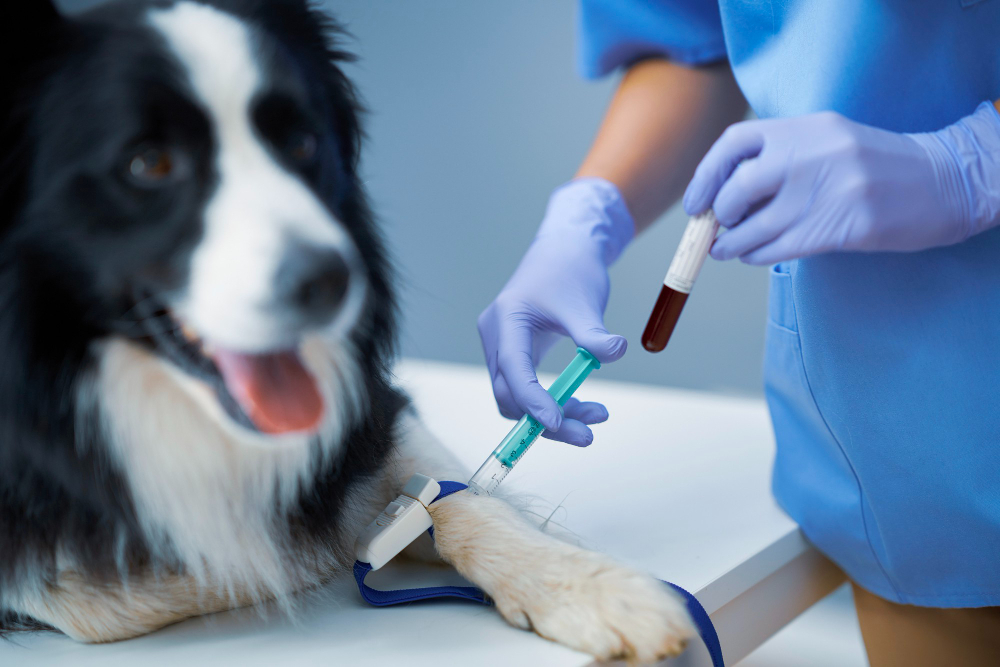
The blood draw itself takes a few seconds. A veterinary technician locates a vein, most commonly the jugular vein in the neck or the cephalic vein on the front leg, and draws a small amount of blood into one or more tubes. The needle insertion causes brief discomfort similar to a routine vaccination. Most dogs tolerate the procedure well with calm handling and minimal restraint.
Once collected, the sample is either processed immediately in the clinic’s in-house analyzer or packaged for pickup by an external lab courier. In-house CBC and urinalysis results are typically available within 30 to 60 minutes. Full chemistry panels take a similar amount of time in-house. Panels sent to external labs return results in one to three business days, and some specialized hormone or genetic tests may take longer.
The veterinarian reviews the results and contacts the owner with findings, typically discussing which values are within the normal reference range, which are flagged as high or low, and what those findings mean for the dog’s care plan. Reference ranges on a standard blood panel are population averages rather than individual baselines, which is one reason why a dog’s own trend over time is often more informative than any single result.
Additional Costs Beyond the Blood Test Itself
The blood panel cost is only one component of the total veterinary bill for a blood work appointment. Owners should anticipate the following additional expenses when budgeting for blood work.
- Office visit or exam fee: Most veterinary clinics charge a separate fee for the physical examination that accompanies a blood draw appointment. This fee typically ranges from $40 to $80 depending on location and clinic type. Some clinics bundle the exam into a wellness package; others bill it separately.
- Urinalysis: A urinalysis is often recommended alongside blood work, particularly for senior panels or when kidney disease, diabetes, or urinary tract infection is a concern. A standard urinalysis costs $25 to $75 at most clinics.
- Additional diagnostics: If the initial blood work reveals abnormal results, the veterinarian may recommend follow-up testing, including imaging, additional specialized blood tests, or referral to an internal medicine specialist. These follow-up costs are variable and depend on what the initial results show.
- Medication: Blood work that identifies a treatable condition will likely be followed by a prescription, which is a separate cost from the diagnostic testing itself.
How Pet Insurance Helps With Blood Work Costs
Pet insurance addresses blood work costs through two different plan types, depending on the reason the testing was ordered.
The Illness and Injury Plan covers diagnostic blood work ordered because a dog is sick, injured, or showing symptoms of a health condition. This includes blood panels ordered during illness, pre-surgical testing, and blood work used to diagnose a specific condition. The plan reimburses eligible costs after the deductible is met, at the reimbursement percentage selected when the policy was enrolled.
The Wellness Plan covers routine blood work ordered as part of preventive care. This includes annual wellness blood panels for healthy dogs, as well as other preventive services such as vaccines, dental cleanings, and parasite testing. The Wellness Plan reimburses these costs up to the defined annual limit for covered preventive services.
The claims process is straightforward. The owner pays the veterinary bill at the time of the visit, submits the claim through Odie’s online portal or mobile app with the itemized invoice and visit notes, and receives reimbursement for eligible expenses after review. Having the policy number and claims contact saved before a veterinary visit eliminates a step during what is often an already stressful situation.
| Blood work is one of the most common reasons dogs visit the vet. Odie pet insurance helps cover those diagnostic costs so you can act on your vet’s recommendations without hesitation. |
Frequently Asked Questions
How much does a full blood panel cost for a dog?
A routine full blood panel, including a Complete Blood Count and chemistry panel, typically costs $100 to $200 at a standard veterinary clinic. Comprehensive senior panels that add thyroid testing, urinalysis, and additional screening run $150 to $450. These figures do not include the office visit fee, which is usually $40 to $80 separately. Specialized panels for complex diagnostics can reach $500 to $1,500 or more in some cases, though this is not typical for routine wellness testing.
What is included in a dog blood panel and what does it check for?
A standard full blood panel includes a Complete Blood Count, which measures red blood cells, white blood cells, and platelets to screen for anemia, infection, immune dysfunction, and clotting issues; and a chemistry panel, which evaluates liver enzymes, kidney values, blood glucose, and electrolytes to assess organ function. A comprehensive senior panel adds thyroid hormone testing, a urinalysis, and often heartworm and tick-borne disease screening.
How often does my dog need blood work?
Healthy adult dogs benefit from annual blood work starting around age three to five. Senior dogs, typically those over seven years, benefit from blood work at least once a year and ideally twice yearly. Blood work is also recommended before any procedure requiring general anesthesia, whenever a dog is sick or showing unusual symptoms, and for ongoing monitoring of dogs with diabetes, kidney disease, thyroid disorders, or other chronic conditions.
How long does it take to get blood work results for a dog?
In-house blood work at the clinic typically returns results within 30 to 60 minutes for a standard CBC and chemistry panel. Tests sent to an external laboratory take one to three business days. Specialized hormone panels, allergy panels, or genetic testing may take longer depending on the lab and the complexity of the analysis. Rush processing is sometimes available at external labs for an additional fee.
Does pet insurance cover dog blood work?
Yes, in most cases. Odie’s Illness and Injury Plan covers diagnostic blood work ordered because a dog is sick or injured. The Wellness Plan covers routine annual blood work as part of preventive care. Coverage applies after the deductible is met and is reimbursed at the percentage selected in the policy, typically 70 to 90 percent of eligible costs. Blood work for a condition that existed before the policy start date would be classified as pre-existing and excluded from coverage.
How can I reduce the cost of dog blood work?
Several approaches help manage blood work costs without reducing the quality of care. Asking whether in-house testing is available saves on external lab fees when the required tests can be processed on-site. Scheduling blood work as part of a bundled wellness package, which some clinics offer at a discount compared to individual test pricing, is another option. Confirming which specific tests are clinically indicated and why gives owners the information needed to make an informed decision with their veterinarian about what is essential versus what can be deferred. Enrolling in pet insurance with wellness coverage before blood work is needed provides the broadest reimbursement options at the lowest premium.