
Can Dogs Get Heartworm From Other Dogs?
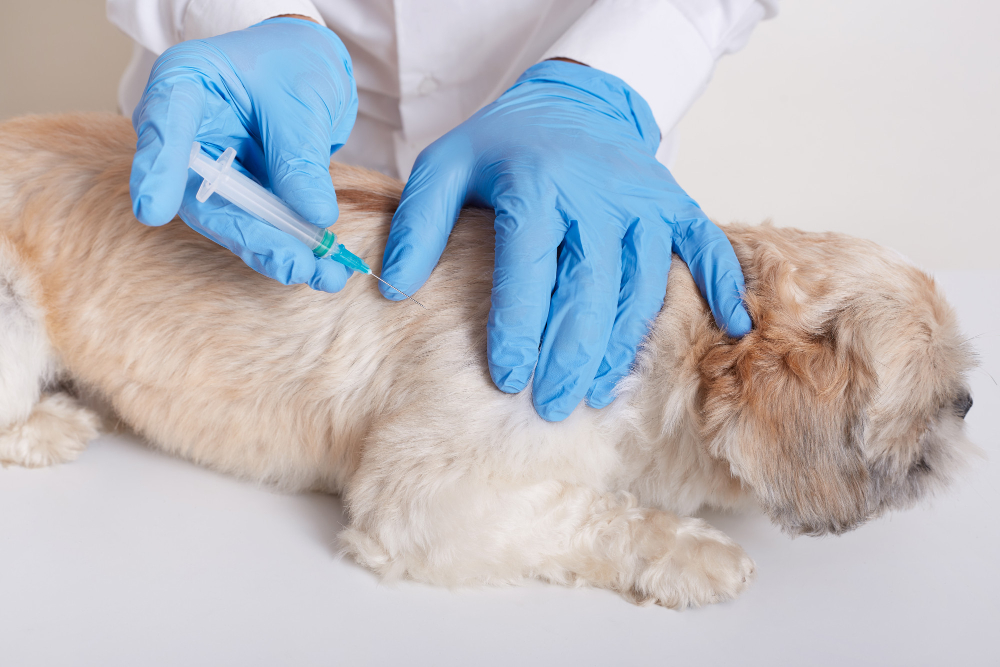
Heartworms might sound like something straight out of a horror movie, but they’re a very real and serious threat to dogs. Scientifically known as Dirofilaria immitis, these parasitic worms make themselves right at home in a dog’s heart, lungs, and blood vessels. Over time, they can cause severe lung disease, heart failure, and other serious health complications. Despite their name, heartworms don’t just affect the heart—they can impact a dog’s overall well-being, making prevention and awareness absolutely essential.
If left untreated, it can lead to long-term health problems or even be fatal. That’s why it’s advised for dog owners to understand the risks, symptoms, and, most importantly, how to prevent it. This disease is most common in warm, humid areas where mosquitoes thrive—because, as it turns out, mosquitoes play a key role in spreading heartworms.
Preventing heartworms is much easier (and far less expensive) than treating an infected dog, so staying informed is the first step in keeping your furry friend safe.
How Do Dogs Get Heartworms?
Heartworms have a surprisingly complex life cycle, and mosquitoes are at the center of it all. Here’s how it works:
- A mosquito bites an infected animal and picks up tiny baby worms, called microfilariae.
- These baby worms develop into larvae inside the mosquito over about 10 to 14 days.
- When the mosquito bites another dog, it injects the larvae into the bloodstream.
- The larvae then travel to the heart and lungs, maturing into adult worms over the next six months.
- Adult heartworms can live for five to seven years, continuously producing more baby worms to continue the cycle.
Since mosquitoes are necessary for transmission, stopping them from biting your dog in the first place is a crucial part of prevention. Less mosquito exposure = less risk of infection!
Can Dogs Catch Heartworms from Other Dogs?
One of the most common myths about heartworm disease is that it’s contagious from dog to dog. Thankfully, that’s not the case! Your pup won’t get heartworms from playing with an infected dog, sharing a water bowl, or even snuggling up together. The only way heartworms can spread is through a mosquito bite, so while it’s always a good idea to take precautions, you don’t need to isolate an infected dog from others.
Recognizing the Signs of Heartworm Disease Heartworm disease is tricky because dogs often don’t show symptoms in the early stages. That’s why regular veterinary check-ups and annual heartworm testing are so important! As the disease progresses, you might notice:
- A persistent cough
- Fatigue after light activity
- Loss of appetite and weight loss
- Swollen belly (due to fluid buildup in severe cases)
If you spot any of these signs, it’s time for a trip to the vet. The sooner heartworms are detected, the better the chances of successful treatment.
How to Protect Your Dog from Heartworms
The good news? Heartworm disease is completely preventable! Here’s how you can keep your pup safe:
- Monthly Preventive Medication: Vets recommend giving dogs a heartworm preventive every month. These medications kill any larvae before they have a chance to mature and cause harm.
- Annual Vet Check-ups: Routine testing ensures your dog stays heartworm-free and allows for early treatment if needed.
- Mosquito Control: Since mosquitoes spread heartworms, reducing their presence helps protect your dog. Use window screens, avoid stagnant water, and keep your pup indoors during peak mosquito hours.
Here’s what veterinarian Laura Dayton, DVM said about prevention from hearworm disease in the PetMD article:
“All heartworm preventatives have the ability to kill L3 and L4 larvae in dogs. There are many different formulations available, so you should ask your vet which one is best for your dog.
The most important part of any heartworm preventative medication is that you give it as prescribed. Heartworm resistance to our preventative medications is a growing problem, and it’s caused by pet parents not being consistent with their dog’s heartworm medication. The unintended result has been exposing adult worms to doses of medication that cannot kill them.
And if your dog does get heartworm disease, once they show symptoms, it’s already in a more advanced stage. For dogs, heartworm treatment is costly and involves several months of confinement and activity restriction, three painful injections, and the potential for long-term effects. The clear choice when it comes to your pet’s best interest is preventing heartworms to begin with.”
What If Your Dog Gets Heartworms?
If your dog does end up with heartworms, don’t panic—there is treatment available. However, the process can be lengthy and costly. The main treatment involves a series of injections to kill the adult worms, along with medications to manage symptoms and prevent further complications. Dogs undergoing treatment must also stay as calm and inactive as possible to avoid stressing their heart and lungs.
The Bottom Line: When it comes to heartworm disease, prevention is the best strategy. Giving your dog regular heartworm medication, keeping up with vet visits, and minimizing mosquito exposure can relieve your pup’s pain and discomfort. With the right precautions, you can keep your dog happy, healthy, and heartworm-free!
How Can Pet Insurance Help You if Your Dog Needs Treatment?
Pet insurance can be a valuable tool in managing the costs of treating a dog’s veterinary expenses. By having a pet insurance policy in place, you can have peace of mind knowing that you can provide medical care for your furry companion without worrying about the financial burden. Pet insurance can help cover the costs of veterinary consultations, diagnostic tests, medications, and even specialized treatments if required.
Reimbursement
This method is the most common for pet insurance companies. You pay out of pocket for the veterinarian bill, and then the insurance company reimburses you for what’s covered under the insurance plan. The steps look like this.
- You pay the vet bill after your dog’s visit.
- You fill out the pet insurance claim form.
- Submit the claim form and other required documentation to the insurer.
- After the claim is approved, you will be reimbursed for eligible expenses.
What Does Odie Pet Insurance Cover?
Pet insurance covers various veterinary expenses, providing financial protection and peace of mind for pet owners. Here are the details of the coverage options offered by Odie Pet Insurance:
Illness & Injury Plan
The Illness & Injury Plan is an all-inclusive insurance plan designed to cover a wide range of medical needs for your pet. This plan includes comprehensive coverage for various illnesses, injuries, and veterinary services. Some of the covered items include:
- Veterinary exams and consultations
- Diagnostics (e.g., X-rays, lab tests)
- Prescribed medications
- Surgeries and hospitalization
- Rehabilitation, acupuncture, or chiropractic treatments
- Medically necessary supplies
The Wellness Plan
The Wellness Plan is a monthly membership that focuses on preventive care and covers routine veterinary services.
- Provides reimbursements for routine care items such as wellness visits (exams and vaccines), testing and parasite prevention, dental cleanings and at-home dental care, vitamins, supplements, and more.
- Through Odie’s partnership with Petivity, a leader in smart pet products and proactive care, Wellness Plan members can also receive reimbursements for Petivity devices and health kits, as well as eligible Purina food and supplements.
- Total reimbursement up to $700 per year.