How Much Does a Dog MRI Cost? A Breakdown of the Prices
The short answer: A dog MRI typically costs between $2,000 and $6,000 for the scan itself, with the total bill reaching $4,000 to $8,000 or more when anesthesia, specialist fees, pre-scan blood work, and follow-up care are included. Costs vary based on geographic location, which area of the body is being scanned, how many areas need imaging, and what the scan reveals. MRI is the most detailed imaging tool available for soft tissue, brain, spinal cord, and neurological conditions in dogs and is typically recommended when X-rays or CT scans cannot provide sufficient diagnostic information.
Key Takeaways
- The MRI scan itself costs $2,000 to $4,000 per area. Scanning the brain and spine together can push the scan cost to $4,000 to $6,000 before other fees.
- Total MRI costs, including anesthesia, specialist consultation, blood work, and any follow-up care, typically range from $4,000 to $8,000 or more.
- General anesthesia is always required for a dog MRI. Dogs cannot remain still enough for the 30 to 90 minute scan without sedation.
- MRIs are most commonly ordered for neurological signs including seizures, sudden paralysis, or progressive weakness, and for diagnosing soft tissue conditions that X-rays cannot adequately image.
- CT scans are a faster and less expensive alternative for some conditions, particularly those involving bone or abdominal organs, but provide less detail than MRI for soft tissue and neurological assessment.
- Odie’s Illness and Injury Plan covers MRI costs as a diagnostic test for eligible illness or injury claims, subject to the deductible and reimbursement rate selected at enrollment.
In This Article
- The Average Cost of a Dog MRI
- Full Cost Breakdown: What You Are Actually Paying For
- What Affects the Cost of a Dog MRI
- When Does a Dog Need an MRI?
- What Conditions Can an MRI Diagnose in Dogs?
- Are There Alternatives to an MRI for Dogs?
- What Happens Before, During, and After a Dog MRI
- What Happens After a Dog MRI?
- How to Manage the Cost of a Dog MRI
- Frequently Asked Questions
The Average Cost of a Dog MRI
A dog MRI costs between $2,000 and $6,000 for the scan itself, depending on location, the area being scanned, and the complexity of the imaging required. When the full episode of care is calculated, including the specialist consultation required to order the MRI, pre-anesthesia blood work, the anesthesia itself, the scan, interpretation, and any follow-up care that the results prompt, total costs typically fall between $4,000 and $8,000 for a straightforward single-area scan.
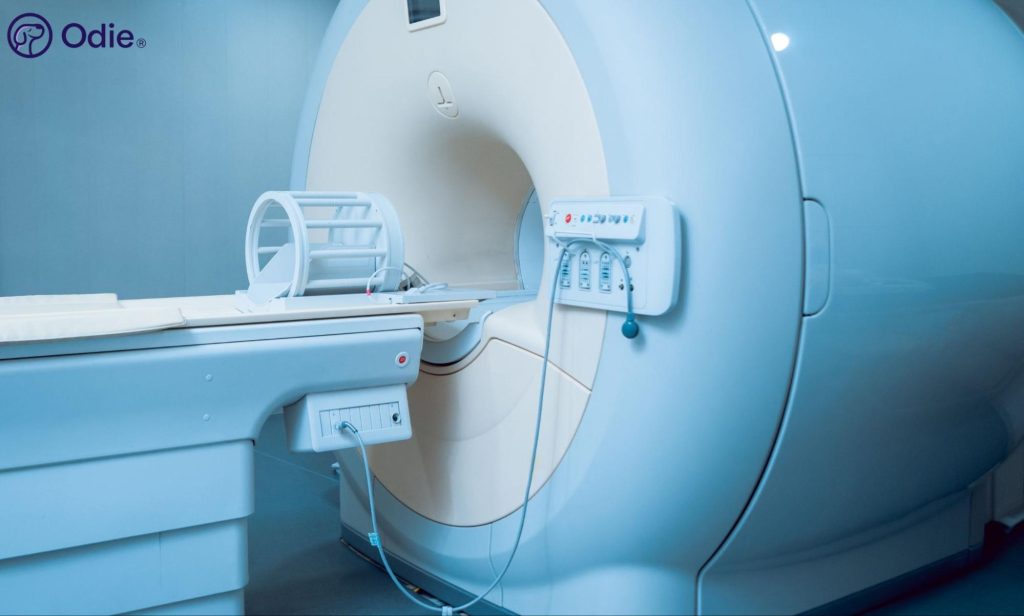
MRIs for dogs are not available at most general practice veterinary clinics. The equipment requires significant capital investment and specialist operators, which means dogs are referred to veterinary neurology or radiology specialists, university teaching hospitals, or specialty animal hospitals. This referral process is itself a cost component, since the specialist consultation is billed separately from the scan.
Full Cost Breakdown: What You Are Actually Paying For
The sticker price of the scan is not the full picture. The table below shows each component that contributes to the total cost of a dog MRI appointment, with current typical ranges for each.
| Cost Component | Typical Range | Notes |
| MRI scan (single area) | $2,000–$4,000 | Brain, spine, or single joint; most common single-scan scenario |
| MRI scan (multiple areas) | $4,000–$6,000+ | Brain and spine scanned together; common for neurological workups |
| Pre-anesthesia blood work | $80–$200 | Required before anesthesia; confirms the dog is safe to sedate |
| Anesthesia administration and monitoring | $200–$600 | General anesthesia is required; cost varies by body weight and duration |
| Specialist consultation | $250–$600 | Neurologist or radiologist fee for ordering and interpreting the scan |
| Radiologist interpretation fee | $75–$250 | Sometimes billed separately from the specialist consultation |
| Hospitalization / recovery monitoring | $300–$900 | Overnight stay may be needed for anesthesia recovery or observation |
| Follow-up care | $100–$3,000+ | Varies widely; surgery, medication, rehabilitation, or further imaging |
| Total estimated range | $2,500–$8,000+ | Single-area scan with standard components; higher for complex or multi-area workups |
The most significant variability in the total is follow-up care. A scan that confirms a condition treatable with medication adds only prescription costs. A scan that reveals a spinal tumor or surgical lesion can lead to treatment costs that significantly exceed the imaging itself. Understanding that the MRI is a diagnostic step rather than a final expense helps owners plan for what may come after the results are in.
What Affects the Cost of a Dog MRI
Geographic Location
Specialist imaging centers in major metropolitan areas charge more than those in smaller cities or rural regions, reflecting higher operating costs, rent, and staffing expenses. A dog MRI that costs $2,500 at a university teaching hospital in the Midwest may cost $4,000 or more at a private specialty center in Los Angeles or New York. This is one of the more controllable cost variables: owners in high-cost areas may find that driving to a nearby smaller city produces meaningful savings for a planned, non-emergency scan.
Area of the Body Being Scanned
Each separate body region scanned is billed as a distinct MRI study. A brain scan and a spinal scan ordered together can double the core imaging cost compared to a single-region scan. Neurological workups frequently require imaging of both the brain and the full length of the spine, which is one reason MRI costs for dogs with neurological symptoms tend to be at the higher end of the range.
Clinic Expertise and Equipment
Facilities with newer, higher-field-strength MRI equipment produce better image quality and sometimes faster scan times but may charge more for the technology. Board-certified veterinary neurologists and radiologists interpret MRI findings with a higher level of expertise than general practitioners, which is reflected in their consultation fees. For complex neurological conditions, this expertise significantly improves diagnostic accuracy and treatment planning.
Anesthesia Duration
Anesthesia costs are typically calculated by body weight and duration. A larger dog requiring a longer scan for a complex multi-area study will incur higher anesthesia costs than a small dog with a quick single-region scan. Post-anesthesia monitoring and recovery add time and cost to the overall appointment.
When Does a Dog Need an MRI?
MRI is not a first-line diagnostic test for most veterinary concerns. It is ordered when other imaging modalities, primarily X-rays and CT scans, cannot provide adequate detail about the suspected condition, or when the condition involves the soft tissues, brain, or spinal cord where MRI consistently outperforms other imaging options.
- Seizures with an unknown cause, particularly when the dog is under five years old or when blood work and routine testing are normal
- Sudden onset of paralysis, significant leg weakness, or loss of coordination that points to spinal cord or brain involvement
- Progressive neurological signs including behavior changes, circling, head tilt, or vision loss
- Suspected brain tumor, spinal tumor, or disc disease that requires precise localization before surgery
- Joint, ligament, or soft tissue injuries that X-rays cannot adequately characterize
- Suspected masses or lesions in areas where CT or ultrasound has been inconclusive
Veterinarians typically recommend MRI after a physical and neurological examination, basic blood work, and initial imaging have been performed and have not provided a complete diagnosis. The decision to proceed to MRI is usually made by or in consultation with a specialist.
What Conditions Can an MRI Diagnose in Dogs?

MRI is the gold standard for imaging the brain, spinal cord, peripheral nerves, and soft tissues in dogs. The conditions most commonly identified through canine MRI include the following.
Neurological and Brain Conditions
- Brain tumors: MRI is the most sensitive imaging tool for detecting and characterizing intracranial masses, including meningiomas, gliomas, and choroid plexus tumors.
- Encephalitis and meningitis: Inflammatory conditions of the brain and its coverings produce characteristic MRI changes that help differentiate infectious from immune-mediated causes.
- Hydrocephalus: Abnormal accumulation of cerebrospinal fluid in the brain ventricles is clearly visible on MRI.
- Epilepsy workup: MRI is recommended for dogs with newly diagnosed seizures to rule out structural brain lesions as the underlying cause.
Spinal Conditions
- Intervertebral disc disease (IVDD): MRI precisely localizes the affected disc and the degree of spinal cord compression, which is critical for surgical planning.
- Degenerative myelopathy: MRI helps rule out compressive disease in dogs showing signs consistent with this progressive neurological condition.
- Spinal tumors: Primary and metastatic tumors affecting the vertebrae or spinal cord are identified and characterized through MRI.
- Fibrocartilaginous embolism (FCE): MRI is the primary diagnostic tool for identifying spinal cord infarction in dogs with sudden, non-painful paralysis.
Musculoskeletal and Soft Tissue Conditions
- Ligament and tendon injuries: Cruciate ligament tears, shoulder instability, and other soft tissue joint injuries are more clearly characterized with MRI than with X-rays.
- Muscle masses or abscesses: Soft tissue lesions within muscle groups are well-visualized with MRI.
- Nasal tumors: MRI provides superior detail of nasal cavity extent and intracranial involvement compared to CT in some cases.
Are There Alternatives to an MRI for Dogs?
MRI is not the only advanced imaging option available for dogs, and in some clinical situations a CT scan, ultrasound, or myelogram may be appropriate, less expensive, or more readily available. The right choice depends on what condition is being investigated and what level of detail is needed.
| Factor | MRI | CT Scan |
| Best for | Soft tissue, brain, spinal cord, nerves, ligaments | Bone, lungs, nasal cavity, abdominal organs, trauma |
| Image detail (soft tissue) | Excellent — highest available for soft tissue | Moderate — less detail than MRI for soft tissue |
| Scan duration | 30–90 minutes | 5–20 minutes |
| Anesthesia required | Yes — always | Usually yes, though some calm dogs manage without |
| Typical cost | $2,000–$6,000 | $1,000–$3,500 |
| Radiation exposure | None | Low-dose X-ray radiation |
| Availability | Specialist centers and university hospitals | More widely available at specialist and some general practices |
CT Scan
A CT scan uses X-ray technology to produce cross-sectional images and is generally faster and less expensive than MRI. CT is the preferred choice for evaluating bone structure, nasal cavity tumors, thoracic and abdominal organs, and trauma-related injuries. For spinal cord and brain soft tissue, CT provides less detail than MRI and may miss lesions that MRI would identify. CT is more widely available at specialist centers and some general practices than MRI.
Myelogram
A myelogram involves injecting contrast dye into the space around the spinal cord before taking X-rays or CT images. It is less expensive than MRI and can identify spinal cord compression effectively. It is an older technique that carries a small risk of complications from the contrast injection, and MRI has largely replaced it at facilities where MRI is available. Myelogram may be a practical option when MRI is not geographically or financially accessible.
Ultrasound
Ultrasound is well-suited for abdominal organs, heart function, and some soft tissue structures near the body surface. It does not provide useful imaging of the brain or spinal cord and cannot substitute for MRI in neurological cases. It is significantly less expensive than MRI and available at most general veterinary practices.
What Happens Before, During, and After a Dog MRI
Before the Scan
The process begins with a specialist consultation, during which the neurologist or radiologist reviews the dog’s history, performs a neurological examination, and determines whether MRI is indicated and which area or areas to image. Pre-anesthesia blood work is required to confirm the dog’s organ function is adequate for safe sedation. Most facilities ask owners to withhold food for eight to twelve hours before the appointment.
Bringing a familiar blanket or toy to the appointment can help the dog remain calm before sedation. Dogs pick up on owner anxiety, so a calm, matter-of-fact approach to the appointment day tends to produce a more relaxed animal for the clinical team to work with.
During the Scan
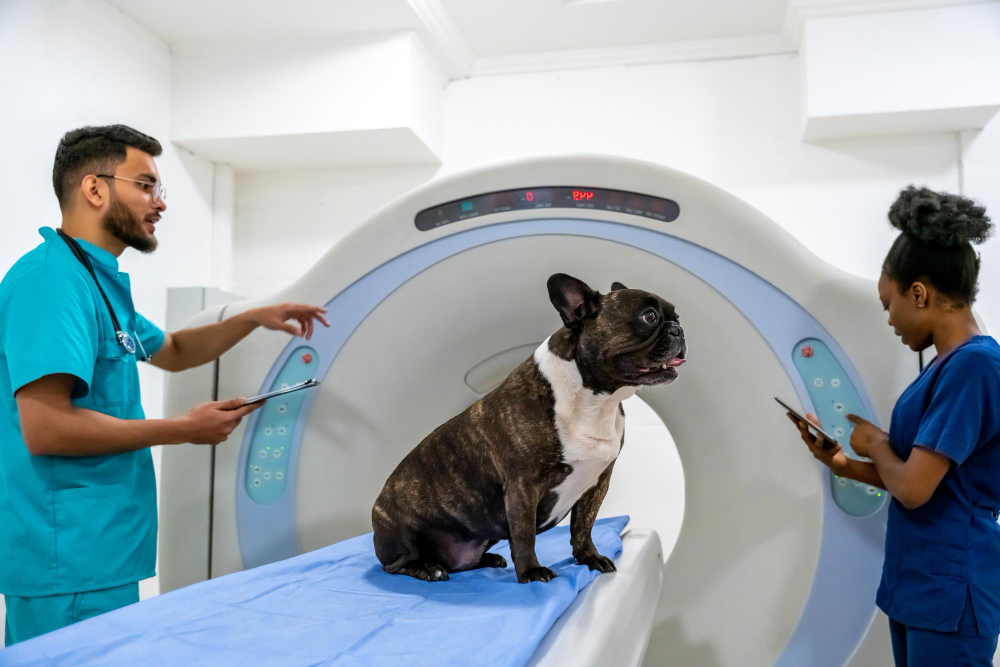
Once sedated, the dog is positioned on the MRI table and moved into the scanner. The machine produces a series of loud knocking and clicking sounds as the magnetic field pulses, which is why sedation is necessary: unsedated dogs cannot remain still for the 30 to 90 minutes required for a full diagnostic study. Anesthesia staff monitor the dog’s vital signs continuously throughout the scan.
Immediate Recovery
After the scan, the dog recovers from anesthesia in a monitored space at the facility. Recovery typically takes one to three hours. Most dogs are discharged the same day unless the clinical situation requires overnight monitoring. The dog may be groggy, uncoordinated, or quieter than usual for the remainder of the day, which is a normal effect of anesthesia.
What Happens After a Dog MRI?
The radiologist or neurologist reviews the MRI images, typically within hours of the scan, and provides a formal written report. The consulting veterinarian then reviews the findings with the owner and outlines the diagnostic conclusion and recommended treatment plan.
The path forward depends entirely on what the MRI reveals. A scan that confirms a benign structural finding may require monitoring only. A scan that identifies IVDD may lead directly to surgical referral within days. A scan showing a brain tumor prompts a conversation about treatment options including surgery, radiation, chemotherapy, or palliative management. The MRI is the start of the treatment decision, not the end of the diagnostic process.
- Follow-up appointments to monitor response to treatment are standard for most conditions identified on MRI.
- A repeat MRI may be recommended several months after treatment to assess whether the condition has progressed, stabilized, or resolved.
- Physical rehabilitation therapy is commonly recommended following surgical treatment of spinal or orthopedic conditions identified on MRI and represents an additional ongoing cost.
How to Manage the Cost of a Dog MRI
A dog MRI is one of the higher single-cost veterinary events a dog owner may face, and planning ahead is more effective than managing the cost under pressure after a diagnosis. Several options exist for reducing or distributing the financial impact.
Pet Insurance
Pet insurance is the most comprehensive tool for managing MRI costs because it reimburses a significant portion of eligible costs rather than simply deferring them. Odie’s Illness and Injury Plan covers diagnostic imaging including MRI when ordered for the diagnosis or management of an eligible illness or injury, subject to the deductible and reimbursement percentage selected at enrollment. Coverage applies regardless of which licensed specialist facility the MRI is performed at.
The critical timing consideration is that pet insurance must be in place before the condition that prompted the MRI develops. A dog that begins showing neurological signs after enrollment will have MRI costs covered under an eligible claim. A dog that was already showing those signs at the time of enrollment would have the related condition classified as pre-existing and excluded from coverage.
Payment Plans and Financing
Most specialist facilities and veterinary hospitals offer payment plans for large invoices. CareCredit and Scratchpay are third-party financing services designed specifically for medical and veterinary expenses and offer promotional interest-free periods on eligible purchases. Reading the terms carefully before using interest-deferred financing is important, since interest charges can be significant if the balance is not paid within the promotional window.
University Teaching Hospitals
Veterinary university teaching hospitals provide specialist-level care, including MRI, at fees that are often lower than private specialist centers. Cases are managed by board-certified specialists with resident support, and the quality of care is comparable to private specialty practice. For owners who have time to plan and can travel, a university teaching hospital is often the most cost-effective option for elective or semi-urgent MRI.
| An MRI is one of the highest single-cost events in veterinary care. Odie pet insurance helps cover diagnostic imaging costs so you can say yes to the answers your dog needs. |
Frequently Asked Questions
How much does a dog MRI cost?
The MRI scan itself typically costs $2,000 to $4,000 for a single body area and $4,000 to $6,000 when multiple areas, such as the brain and spine, are scanned together. When the full episode of care is included, specifically the specialist consultation, pre-anesthesia blood work, anesthesia, interpretation, and follow-up costs, the total typically falls between $4,000 and $8,000 for a straightforward case and can be higher for complex presentations or cases requiring surgery after diagnosis.
Is a dog MRI covered by pet insurance?
Yes, in most cases. Odie’s Illness and Injury Plan covers diagnostic imaging including MRI when it is ordered for the diagnosis or management of an eligible illness or injury. Coverage applies after the deductible is met and at the reimbursement percentage selected in the policy. MRI costs for conditions that existed before the policy enrollment date would be classified as pre-existing and excluded from coverage, which is the primary reason enrolling while a dog is young and healthy provides the broadest coverage.
Is a dog MRI always necessary, or are there cheaper alternatives?
Not always. CT scans are a less expensive and faster alternative for many conditions, particularly those involving bone, the lungs, nasal structures, and abdominal organs. For neurological conditions involving the brain, spinal cord, and soft tissues, MRI provides significantly better image quality than CT and is the recommended tool when those structures need to be evaluated. The decision between MRI and CT is made by the specialist based on what structure is being evaluated and what level of detail is clinically necessary.
Why does my regular vet not have an MRI machine?
MRI equipment requires a significant capital investment, typically $1 million or more, specialized installation requirements including magnetic shielding, and trained personnel to operate and interpret the results. Most general veterinary practices cannot justify this investment based on case volume and refer patients requiring MRI to specialist centers, university hospitals, or specialty animal hospitals that have the equipment and expertise in place.
How long does a dog MRI take?
The scan itself takes 30 to 90 minutes depending on how many areas are being imaged and the complexity of the protocol required for the suspected condition. Total time at the facility is longer when pre-scan preparation, anesthesia induction, the scan, and anesthesia recovery are included. Most owners should expect to leave their dog at the facility for four to six hours and plan for a full day appointment.
What should I do to prepare my dog for an MRI?
Follow your veterinarian’s fasting instructions, which typically require withholding food for eight to twelve hours before the appointment. Let the specialist team know about all current medications, supplements, and any known anesthesia reactions from prior procedures. Bringing a familiar blanket or toy is welcome at most facilities and can help the dog remain calm during pre-scan preparation. Plan to remain available by phone throughout the appointment in case the clinical team has questions or needs to reach you before the scan proceeds.
Conclusion
A dog MRI is a significant financial commitment, and understanding what drives the cost helps owners prepare realistically rather than encountering the total as a surprise. The scan cost alone is $2,000 to $4,000 per area, and the full episode of care including all associated fees typically doubles that figure. For dogs with neurological conditions, soft tissue injuries, or suspected brain or spinal tumors, MRI often provides information that no other imaging tool can, and the diagnostic clarity it provides directly determines the treatment plan.
Planning ahead with pet insurance provides the most effective financial tool for managing MRI costs, since it reimburses a meaningful share of the bill rather than simply deferring it. For owners facing an immediate MRI recommendation without insurance in place, university teaching hospitals and payment plans are the most practical cost management options. The right choice depends on the dog’s clinical situation and how much time is available for planning.