Can Dogs Eat Walnuts? Risks & Safe Alternatives
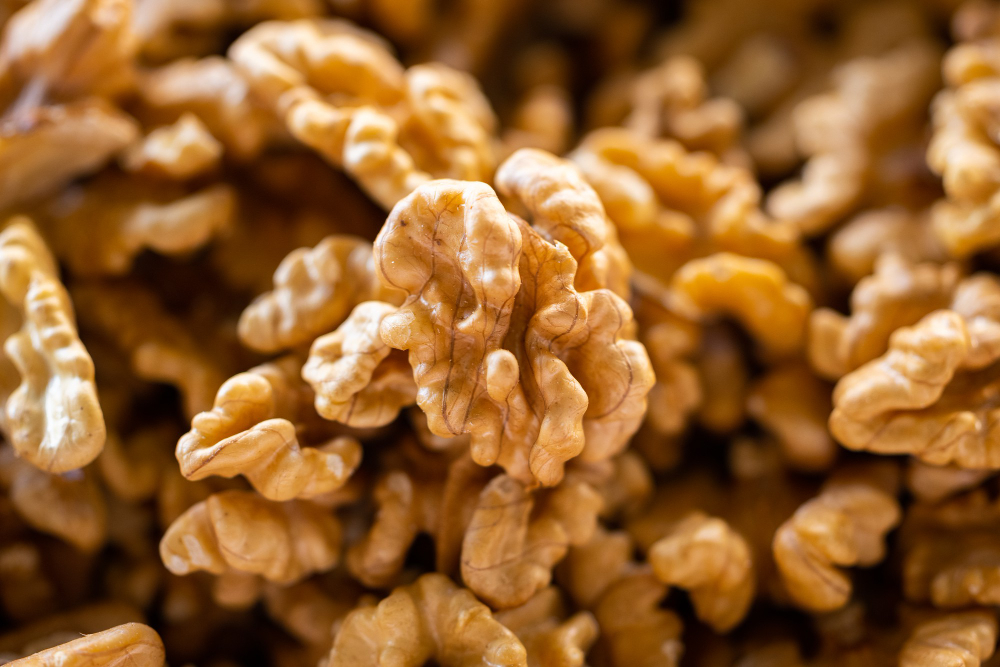
The short answer: Walnuts are not recommended for dogs. While they are not always acutely toxic in small amounts, their high fat content can cause digestive upset and pancreatitis, and moldy walnuts contain mycotoxins that can trigger tremors, seizures, and neurological symptoms. Black walnuts are the most dangerous variety and should never be given to dogs. If your dog eats a walnut, monitor for symptoms and contact your veterinarian for guidance.
Key Takeaways
- Walnuts are not recommended for dogs of any breed or size. The risks, including pancreatitis, mold toxicity, and choking, outweigh any nutritional benefit.
- Black walnuts are the most dangerous variety due to juglone, a compound that can cause vomiting, seizures, and other severe neurological symptoms in dogs.
- English walnuts, the most common grocery store variety, are less acutely toxic but still carry significant risk from high fat content and potential mold if fallen from a tree.
- Mold on walnuts produces mycotoxins that can cause tremors, seizures, elevated body temperature, and coordination problems — symptoms that require immediate veterinary attention.
- If a dog eats a walnut, monitor closely for 24 to 48 hours and contact a veterinarian, particularly if the walnut appeared moldy, was a black walnut, or more than a small amount was consumed.
- Safer alternatives for dogs include plain unsalted peanuts in moderation, and a wide range of fruits and vegetables that provide nutritional benefit without the risks.
In This Article
- Why Walnuts Are Not Safe for Dogs
- Types of Walnuts: Which Are Most Dangerous?
- Pancreatitis Risk: Why Fat Is the Bigger Concern
- Mold Toxicity: The Hidden Danger in Backyard Walnuts
- Signs of Walnut Toxicity in Dogs
- My Dog Ate a Walnut: What Should I Do?
- When to Contact a Veterinarian
- Comparing Walnuts to Other Nuts: Safe vs. Unsafe
- Healthy Alternatives to Walnuts for Dogs
- Frequently Asked Questions
Why Walnuts Are Not Safe for Dogs

Walnuts are a nutritionally dense food for humans, providing omega-3 fatty acids, protein, fiber, antioxidants, and a range of vitamins and minerals. These benefits are real for people, but they do not translate to a safe snack for dogs. The specific properties that make walnuts problematic for dogs have little to do with their nutritional content and more to do with how dogs process fat, their sensitivity to fungal toxins, and their digestive systems’ overall lack of adaptation to high-fat tree nuts.
Dogs’ digestive systems are primarily designed for meat-based protein and are less efficient at processing the high fat content found in nuts. A food that a human’s digestive system handles with no difficulty can overwhelm a dog’s pancreas and gastrointestinal tract. The risks are magnified in smaller breeds, overweight dogs, and those with any prior history of digestive sensitivity or pancreatitis.
The Four Main Risks
- High fat content that can cause gastrointestinal upset and pancreatitis
- Potential toxicity from juglone, a compound in black walnuts specifically
- Mold toxicity from mycotoxins in walnuts that have fallen, aged, or been improperly stored
- Physical hazard from size and shape, particularly for small dogs or dogs that gulp food without chewing
Types of Walnuts: Which Are Most Dangerous?
Black Walnuts
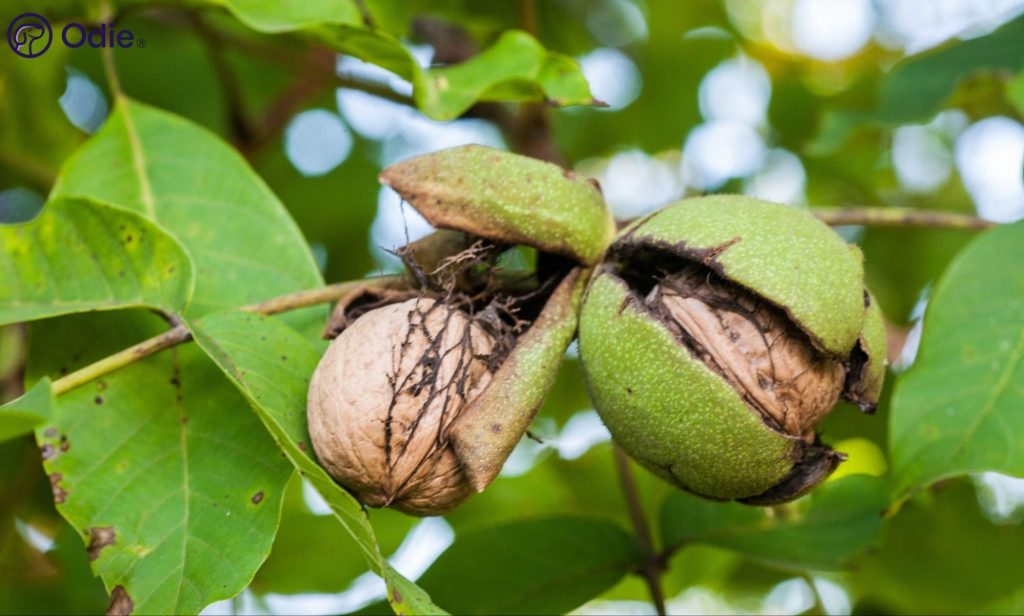
Black walnuts, native to North America, are the most dangerous variety for dogs. They contain juglone, a naturally occurring compound that is toxic to many plant species and has known adverse effects in dogs. Juglone exposure in dogs can cause vomiting, lethargy, seizures, and other serious neurological symptoms. Black walnuts are not commonly sold in grocery stores but fall from black walnut trees in yards, parks, and wooded areas, where dogs may find and eat them. A dog that has access to a yard with a black walnut tree should be monitored closely, and fallen nuts should be removed promptly.
English Walnuts
English walnuts, the most common variety sold in stores, do not contain juglone at the same level as black walnuts and are less acutely toxic. However, they still carry significant risk from their high fat content, which can cause gastrointestinal upset and pancreatitis, and from mold, which can develop when nuts fall from trees or are stored in humid conditions. The relative lower toxicity of English walnuts compared to black walnuts does not make them a safe food for dogs; it simply changes the nature of the risk.
Japanese Walnuts and Hickory Nuts
Japanese walnuts carry similar risks to English walnuts and should be avoided for the same reasons. Hickory nuts, which are botanically related to walnuts, are also unsafe for dogs due to their high fat content and susceptibility to the mold growth that produces mycotoxins.
Pancreatitis Risk: Why Fat Is the Bigger Concern
For most dogs that eat a walnut, the more immediate danger is not juglone or mold but the high fat content. Pancreatitis is an inflammation of the pancreas that can be triggered by consumption of high-fat foods. The pancreas plays a central role in digestion, producing enzymes that break down fat, protein, and carbohydrates. When a dog eats a high-fat food that the pancreas cannot process efficiently, those digestive enzymes can activate prematurely inside the pancreas itself, causing inflammation and cellular damage.
Pancreatitis ranges in severity from mild, where a dog recovers with supportive care over a few days, to severe and life-threatening, where hospitalization, IV fluids, and intensive monitoring are required. Dogs with a prior history of pancreatitis, breeds with known sensitivity including Miniature Schnauzers, Cocker Spaniels, and Yorkshire Terriers, and overweight or sedentary dogs are at higher risk from fat-triggered pancreatitis than the average healthy adult dog.
The symptoms of pancreatitis include vomiting, diarrhea, abdominal pain, hunched posture, and lethargy. These symptoms may appear within hours of eating a high-fat food and should prompt a veterinary call rather than home monitoring in a dog known to have consumed walnuts.
Mold Toxicity: The Hidden Danger in Backyard Walnuts
One of the most underappreciated risks of walnuts in dogs is mold toxicity. Walnuts that fall from trees, are stored in humid conditions, or are left on the ground can develop mold that produces tremorgenic mycotoxins, a category of fungal toxins that specifically target the nervous system. These toxins can cause serious neurological symptoms in dogs that appear rapidly after ingestion.
The risk is highest from walnuts that have fallen from trees and remained on the ground, since these are exposed to moisture, soil bacteria, and fungal growth over time. Backyard walnut trees in areas with warm, humid climates pose a consistent seasonal risk for dogs that access the yard unsupervised. Promptly collecting and discarding fallen walnuts, or restricting a dog’s access to areas under walnut trees, is the most practical prevention.
Purchased walnuts in sealed packaging are less likely to contain dangerous mold, but old or improperly stored walnuts can develop mold even in the pantry. Any walnut that appears discolored, smells musty, or has visible mold should never be given to a dog.
Signs of Walnut Toxicity in Dogs
The symptoms a dog shows after eating a walnut depend on the type of walnut, whether it was moldy, and how much was consumed. Symptoms can range from mild and self-limiting to severe and life-threatening.
Signs That May Appear After Eating Any Walnut
- Vomiting, which may occur within hours of ingestion
- Diarrhea or loose stool
- Lethargy or reduced energy
- Loss of appetite
- Abdominal pain, which may present as hunching, reluctance to be touched on the belly, or unusual restlessness
Signs Specific to Black Walnut or Mold Toxicity
- Muscle tremors or twitching
- Seizures
- Loss of coordination or stumbling gait
- Elevated body temperature (hyperthermia)
- Weakness or inability to stand normally
- Depression or unresponsiveness
Neurological symptoms following walnut ingestion should be treated as an emergency. These signs indicate significant toxin exposure and require veterinary evaluation the same day, not watchful waiting at home.
My Dog Ate a Walnut: What Should I Do?
Most owners discover the situation after the fact rather than catching the dog in the act. A calm, systematic response gives the best information to provide the veterinarian and reduces the risk of missing a developing problem.
- Determine what type of walnut was eaten, if possible. Black walnut is higher priority than English walnut for prompt veterinary contact.
- Estimate how much was consumed and whether the walnut appeared fresh, old, or visibly moldy. A single fresh English walnut has a different risk profile than several moldy fallen black walnuts.
- Do not induce vomiting at home unless explicitly instructed by a veterinarian. Some toxin situations are made worse by inducing vomiting, and this decision should be made by a professional.
- Contact your veterinarian or the ASPCA Animal Poison Control Center (888-426-4435) and describe the situation. They will advise whether the dog needs to be seen immediately or whether home monitoring is appropriate given the specifics.
- If the dog is already showing neurological symptoms including tremors, seizures, or incoordination, go to an emergency veterinary clinic immediately without waiting to be called back.
When to Contact a Veterinarian
Whether or not symptoms are immediately visible, veterinary guidance is appropriate any time a dog has eaten walnuts. The most important variable is the type of walnut and whether mold was present.
Call your vet the same day if:
- The walnut eaten was black walnut, or the type is unknown
- The walnut appeared moldy, was found on the ground under a walnut tree, or had been stored for a long time
- The dog ate more than a very small amount
- The dog is small, overweight, or has a prior history of pancreatitis or digestive sensitivity
- The dog is showing vomiting, diarrhea, lethargy, or reduced appetite within hours of eating
Go to an emergency vet immediately if the dog shows:
- Muscle tremors or twitching of any kind
- Seizures or convulsions
- Loss of coordination, stumbling, or inability to walk normally
- Collapse or extreme weakness
- Elevated body temperature, panting heavily, or appearing disoriented
The ASPCA Animal Poison Control Center number is 888-426-4435. A consultation fee applies but the guidance is specific and clinically useful, particularly for toxin exposures where the appropriate response depends on the type and amount consumed.
| Unexpected vet visits after a dog eats something they should not have are one of the more common reasons owners file claims. Odie pet insurance helps cover those diagnostic and treatment costs. |
Comparing Walnuts to Other Nuts: Safe vs. Unsafe
Not all nuts carry the same risk for dogs. The table below covers the most commonly encountered nuts, their safety status, and the key reason for each classification.
| Nut | Safe for Dogs? | Key Risk or Note |
| Black walnuts | No — toxic | Contains juglone, which can cause vomiting, tremors, and seizures; avoid completely |
| English walnuts | Not recommended | High fat content causes GI upset and pancreatitis risk; mold toxicity if fallen from tree |
| Macadamia nuts | No — toxic | Toxic to dogs even in small amounts; causes weakness, hyperthermia, vomiting |
| Hickory nuts | Not recommended | High fat; prone to mold; GI upset and pancreatitis risk |
| Pistachios | Not recommended | High fat; shells are a choking hazard; GI upset risk |
| Pecans | Not recommended | High fat; susceptible to mold with mycotoxin risk; avoid |
| Almonds | Not toxic; avoid | Not toxic but hard to digest; choking hazard for small dogs; avoid as a regular snack |
| Cashews | Small amounts OK | Plain, unsalted cashews in very small amounts occasionally; high fat limits regularity |
| Peanuts | Generally safe | Plain, unsalted, unshelled peanuts in moderation; check peanut butter for xylitol before sharing |
The safest approach with nuts is to stick with plain, unsalted peanuts in very small amounts as an occasional treat, and to default to fruits and vegetables when looking for something to share with a dog. No nut provides a nutritional benefit that a dog cannot get from a safer source.
Healthy Alternatives to Walnuts for Dogs
A dog that has a habit of being offered food scraps or is interested in what their owner is eating does not need nuts to participate. Several foods offer nutritional value and are well-tolerated by most dogs.
Fruits
- Blueberries: Rich in antioxidants, low in sugar, and a popular training treat. Feed in small amounts.
- Apple slices: Vitamin-rich and crunchy. Remove the core and seeds before offering, since apple seeds contain cyanide compounds.
- Watermelon: High in moisture, low in calories. Remove the rind and seeds before serving.
- Banana: A good source of potassium; high in sugar, so offer small amounts infrequently.
Vegetables
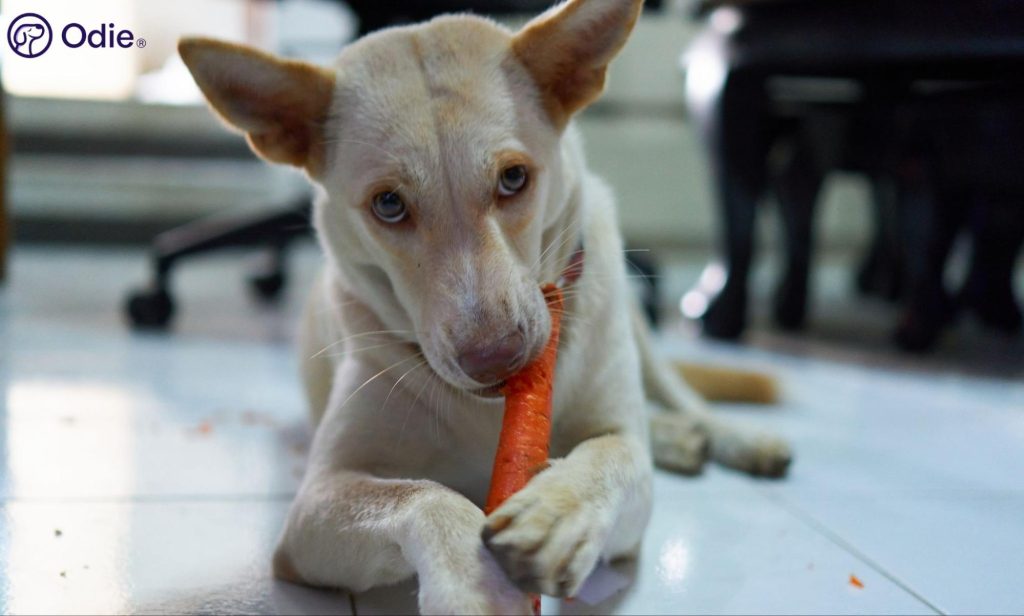
- Carrots: Low in calories, high in fiber, and beneficial for dental health. One of the most universally well-tolerated dog snacks.
- Green beans: Plain, cooked or raw, green beans are a fiber-rich low-calorie option that most dogs enjoy.
- Cucumber slices: Very low in calories and high in water content; useful as a hydrating snack in warm weather.
- Plain canned pumpkin: Not pumpkin pie filling, which contains spices and added sugar, but plain 100 percent pumpkin puree, which is high in soluble fiber and supports digestive health.
Protein
- Plain cooked chicken breast: Unseasoned, boneless, and skinless, cooked chicken is one of the best high-protein treats available and is used as a dietary staple in bland diets for dogs with digestive upset.
- Plain cooked turkey: Similar to chicken in profile and well-tolerated by most dogs.
- Commercial dog treats: High-quality treats formulated specifically for dogs provide nutritional balance and known safety, unlike human foods that require evaluation on a case-by-case basis.
Frequently Asked Questions
Can dogs eat walnuts?
Walnuts are not recommended for dogs. While a single small piece of a fresh English walnut is unlikely to cause severe harm in a large, healthy adult dog, the risks from repeated exposure, mold toxicity, and fat-induced pancreatitis make walnuts a food to avoid entirely. Black walnuts are significantly more dangerous and should never be given to dogs intentionally or allowed to be accessed in the yard.
What happens if a dog eats a walnut?
The outcome depends on the type of walnut, how much was eaten, and whether the walnut was fresh or moldy. A small amount of a fresh English walnut may cause mild gastrointestinal upset such as vomiting or diarrhea that resolves without treatment. A larger amount, a black walnut, or a moldy walnut can cause more serious symptoms including pancreatitis, tremors, seizures, and coordination problems that require veterinary care. Contact a veterinarian whenever a dog has eaten walnuts to get guidance specific to the situation.
Are black walnuts more dangerous than English walnuts for dogs?
Yes, significantly. Black walnuts contain juglone, a naturally occurring compound that is toxic to dogs and can cause vomiting, tremors, and seizures. They also present the same mold toxicity and fat content risks as English walnuts. English walnuts do not carry the same juglone risk but are still not recommended due to pancreatitis risk and mold susceptibility. Black walnuts should be treated as a toxic exposure requiring prompt veterinary contact; English walnuts warrant monitoring and a veterinary call if symptoms develop or if the amount eaten was more than trivial.
What are the symptoms of walnut poisoning in dogs?
Symptoms vary by the type of walnut and whether mold was present. High-fat toxicity from any walnut type typically produces vomiting, diarrhea, abdominal pain, and lethargy within a few hours. Juglone toxicity from black walnuts may cause more severe neurological signs. Mold toxicity from tremorgenic mycotoxins produces muscle tremors, loss of coordination, seizures, and elevated body temperature. Neurological symptoms after walnut ingestion should be treated as an emergency, not a wait-and-see situation.
My dog ate a walnut from the yard. Is that more dangerous?
Yes, potentially. Walnuts that have fallen from trees and been on the ground are significantly more likely to have developed mold than store-bought walnuts in sealed packaging. Fallen walnuts exposed to moisture, soil bacteria, and fungi are the primary source of tremorgenic mycotoxin poisoning in dogs. If a dog ate a walnut from the yard, particularly under or near a walnut tree, prompt contact with a veterinarian or ASPCA Poison Control is appropriate regardless of whether symptoms are present.
What nuts can dogs safely eat?
Plain, unsalted peanuts are the most commonly cited safe nut option for dogs in moderation, though they offer no nutritional benefit that a dog cannot get from a safer source. Plain, unsalted cashews in very small amounts are sometimes listed as tolerable. Almonds are not toxic but are hard to digest and a choking hazard. Macadamia nuts are toxic to dogs and should never be given. Walnuts, hickory nuts, pistachios, and pecans are all not recommended due to fat content, mold risk, or specific toxicity. The safest approach is to avoid nuts entirely and offer fruits, vegetables, or dog-specific treats instead.
Conclusion
Walnuts are not a safe food for dogs. The combination of high fat content, potential juglone toxicity in black walnuts, and mold toxicity from mycotoxins creates a risk profile that is not justified by any nutritional benefit a dog could receive from a nut. The most practical guidance is to keep walnuts, and most other nuts, out of a dog’s reach entirely, to be aware of walnut trees in accessible outdoor areas, and to contact a veterinarian if a dog eats any amount of walnut rather than assuming a small quantity is harmless.
Safer alternatives for sharing food with a dog are plentiful. Plain cooked chicken, carrots, blueberries, and apple slices offer real nutritional value without the risks that make walnuts a food to avoid.