Can Dogs Eat Rice? White, Brown, Jasmine & Basmati
The short answer: Yes, dogs can eat plain, fully cooked rice in moderation. White rice is the most digestible type and is commonly recommended by veterinarians for dogs with upset stomachs or diarrhea. Brown rice provides more fiber and nutrients for healthy adult dogs. Jasmine, basmati, and wild rice are also safe when cooked plain without seasonings, oils, or additives. Rice should supplement a balanced diet, not replace it, and should not be a daily staple for dogs prone to weight gain or blood sugar issues.
Key Takeaways
- Plain cooked white rice is safe for dogs and is often recommended by veterinarians as part of a bland diet for upset stomachs and diarrhea recovery.
- Brown rice is also safe and provides more fiber and nutrients, but it is harder to digest than white rice and is better suited to healthy adult dogs rather than those with GI upset.
- Jasmine and basmati rice are both safe for dogs when cooked plain. Basmati has a slightly lower glycemic index than standard white rice, which may be worth noting for dogs with diabetes.
- Rice should never be seasoned with onion, garlic, salt, butter, or oil before being given to a dog. These additions are harmful.
- Overfeeding rice can contribute to weight gain and blood sugar spikes, particularly in diabetic or overweight dogs.
- Portion size matters: rice should make up no more than 10 percent of a dog’s daily caloric intake when used as a supplement.
In This Article
- Basmati vs. Jasmine vs. Brown Rice: Which Is Best for Dogs?
- Nutritional Benefits of Rice for Dogs
- Can Dogs Eat Rice When They Have Diarrhea?
- Can Rice Cause Constipation in Dogs?
- Is Rice Good for Dogs With Sensitive Stomachs?
- Rice and Blood Sugar: What Diabetic Dog Owners Need to Know
- Feeding Guidelines by Dog Size
- Rice Preparation Do’s and Don’ts
- Risks of Overfeeding Rice
- Frequently Asked Questions
Basmati vs. Jasmine vs. Brown Rice: Which Is Best for Dogs?
The rice type that is best for a dog depends on why it is being given. White rice, jasmine, and basmati are all easily digestible and suitable for dogs with sensitive or upset stomachs. Brown and wild rice provide more fiber and nutrients but are harder to digest, making them better suited to healthy adult dogs than to those recovering from gastrointestinal illness.
| Rice Type | Safe for Dogs? | Digestibility | Fiber Content | Best Use Case |
| White rice | Yes | Very high | Low | Upset stomach, diarrhea recovery, bland diet |
| Brown rice | Yes | Moderate | High | Healthy adult dogs, added variety, fiber support |
| Jasmine rice | Yes | High | Low–Moderate | General supplementation; similar to white rice in use |
| Basmati rice | Yes | High | Low–Moderate | General supplementation; lower glycemic index than white |
| Wild rice | Yes | Moderate | High | Nutritional variety; not a true rice but safe cooked plain |
| Fried rice / seasoned rice | No | N/A | N/A | Never — onion, garlic, salt, and oil are toxic or harmful to dogs |
White Rice
White rice is the most digestible of the common rice types because the bran and germ layers have been removed during processing, leaving primarily starch. This makes it easy on the gastrointestinal tract and the standard recommendation when veterinarians suggest a bland diet for a dog with an upset stomach or diarrhea. The tradeoff is lower nutritional density: white rice provides quick energy from carbohydrates but fewer vitamins, minerals, and fiber than brown rice.
Brown Rice
Brown rice retains the bran and germ layers, which adds fiber, B vitamins, and minerals including magnesium and phosphorus. It is a more nutritious option for healthy adult dogs eating rice as a dietary supplement, but it takes longer to digest and can be harder on an already-irritated digestive system. Brown rice is not the right choice during an active GI upset episode, but it is a reasonable addition to the diet of a healthy dog when portions are appropriate.
Jasmine Rice
Jasmine rice is a long-grain white rice with a slightly softer texture when cooked. Its digestibility is comparable to standard white rice, and it is safe for dogs when prepared plain. It has a mildly higher glycemic index than basmati rice but is otherwise very similar in nutritional profile to other white rice varieties. Dogs with diabetes or weight concerns should have jasmine rice in limited quantities for the same reasons that apply to white rice generally.
Basmati Rice
Basmati is a long-grain rice with a lower glycemic index than standard white rice, meaning it causes a slower, more gradual rise in blood sugar after eating. This makes it a marginally better option than white rice for dogs with diabetes or insulin resistance when rice is being offered. The digestibility of basmati is high, and it is safe for dogs prepared plain. The glycemic advantage over white rice is modest, and basmati is not a substitute for a veterinary nutrition plan in a diabetic dog, but it is a better choice than white rice when managing blood sugar is a consideration.
Wild Rice
Wild rice is not technically a true rice but a seed from a different grass species. It is safe for dogs when cooked plain and provides more protein and fiber than conventional rice varieties. The higher fiber content makes it more filling and slower to digest, which can be beneficial for weight management but is not appropriate during GI upset. It is less commonly used as a dog food supplement than white or brown rice but is a safe and nutritious option when cooked without seasonings.
Nutritional Benefits of Rice for Dogs
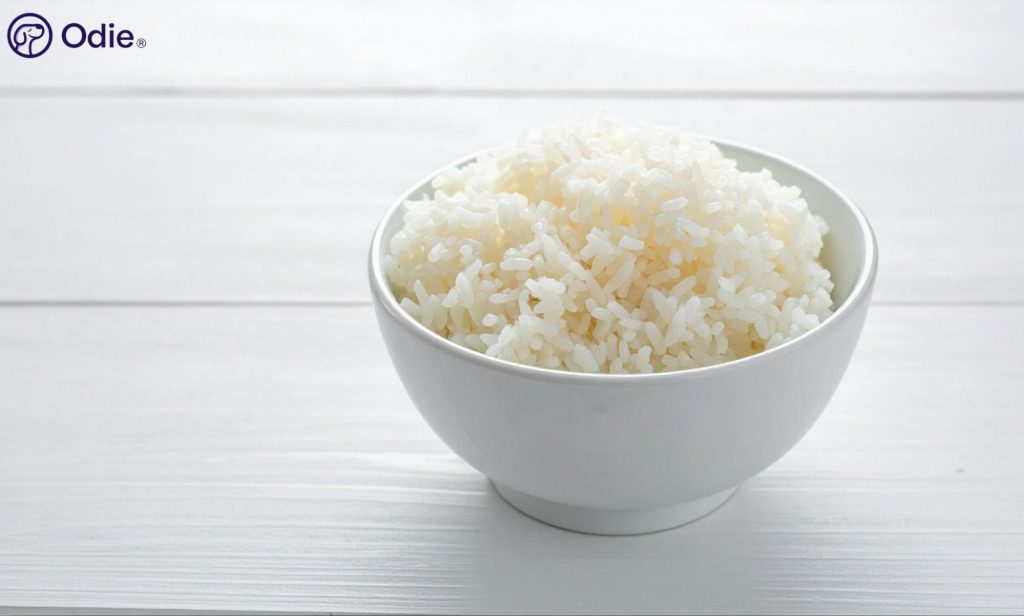
Rice is primarily a source of carbohydrates, which provide readily available energy for dogs. The specific nutritional benefits vary by rice type, but some apply broadly across all plain cooked rice varieties.
- Easily digestible carbohydrates: Rice starch breaks down efficiently in the canine digestive system, providing a reliable energy source without the fermentation that some other carbohydrates produce in sensitive dogs.
- Low fat content: Plain rice is very low in fat, which is relevant for dogs on a low-fat diet following pancreatitis or other fat-sensitive conditions.
- Manganese: Present in both white and brown rice, manganese supports bone development, enzyme function, and fat and carbohydrate metabolism.
- B vitamins: Brown rice in particular is a source of B vitamins including thiamine, niacin, and B6, which support nervous system function and energy metabolism.
- Fiber (brown rice): The fiber in brown rice supports healthy bowel movements and may aid in weight management by contributing to satiety.
Rice does not provide complete nutrition for dogs and is not a substitute for a veterinarian-formulated or commercially complete dog food. Its role is as a supplement or a temporary dietary aid during illness, not as a primary food source.
Can Dogs Eat Rice When They Have Diarrhea?
Yes, and this is one of the most evidence-supported uses of rice in canine nutrition. Plain cooked white rice combined with boiled chicken or boiled lean ground beef is the most commonly recommended bland diet by veterinarians for dogs with acute diarrhea or mild gastrointestinal upset. The combination works because white rice is easy to digest, low in fat, and binds stool due to its starch content, while the lean protein provides essential amino acids without adding dietary fat that could worsen GI inflammation.
The standard ratio for a bland diet is approximately two parts cooked white rice to one part plain boiled protein. This diet is typically maintained for two to three days while the dog’s stool normalizes, after which the dog is gradually transitioned back to their regular food by mixing increasing proportions of the regular food with the bland diet over three to five days.
When to Use Bland Diet Rice vs. When to Call the Vet
A bland rice-based diet is appropriate for mild, acute diarrhea in an otherwise healthy adult dog that is still drinking water, still alert and active, and showing no blood in the stool. It is not a substitute for veterinary evaluation in the following situations:
- Diarrhea lasting more than 48 hours without improvement
- Bloody or black stool
- Diarrhea accompanied by vomiting, lethargy, or loss of appetite
- A puppy, senior dog, or dog with known health conditions showing any diarrhea
- Signs of dehydration including dry gums, skin tenting, or sunken eyes
Chicken and rice works for an upset stomach precisely because it’s so simple, so keep it that way: plain, boiled, skinless chicken with no seasonings, butter, or oil that could upset an already sensitive tummy even more. That same simplicity is also why it falls apart as a long-term diet, since dogs need a specific balance of macro- and micronutrients that plain chicken and rice can’t provide on their own. A few days is a helpful reset; a few weeks starts to become a nutrition problem of its own, with gaps in things like calcium, vitamins, and the right balance of fat, protein, and carbs.
Can Rice Cause Constipation in Dogs?
White rice, in large amounts, can contribute to constipation in some dogs because of its low fiber content and high starch concentration. The same binding effect that makes white rice useful for diarrhea can overshoot and result in overly firm or infrequent stools when too much is given for too long. This is most likely to occur when a dog is fed a white rice-heavy diet for more than three to four days, or when the ratio of rice to other food is very high.
Brown rice has the opposite effect in most dogs due to its higher fiber content. It supports healthy bowel transit and is unlikely to cause constipation in appropriate amounts. For dogs that are already prone to constipation, white rice is a poor dietary supplement choice, and brown rice or a food with added fiber is a more appropriate option.
If a dog on a rice-based bland diet has not had a bowel movement for more than 48 hours, or if stools are hard, dry, or clearly difficult to pass, transitioning off the bland diet and back toward regular food with higher fiber content is the appropriate first step. Persistent constipation warrants a veterinary call.
Is Rice Good for Dogs With Sensitive Stomachs?
White rice is one of the most commonly included ingredients in commercial sensitive stomach dog food formulas for this reason: it is highly digestible, low in fat, low in additives, and unlikely to trigger the food sensitivities that some dogs develop to proteins, grains with gluten, or high-fiber ingredients. For a dog with a known sensitive stomach, plain cooked white rice as part of a home-prepared supplement is a practical and well-tolerated addition.
The important qualifier is plain. Rice mixed with any seasoning, cooked in broth, or prepared with butter, oil, garlic, or onion is not safe for dogs regardless of the dog’s digestive status. The rice itself is the beneficial component, not any preparation that adds flavor or richness.
For dogs with long-term sensitive stomachs, rice is a useful short-term support tool but is not a permanent solution. A veterinarian or veterinary nutritionist can assess whether the sensitivity reflects a food allergy, inflammatory bowel disease, or another condition that would benefit from a specific dietary protocol rather than ongoing rice supplementation.
Rice and Blood Sugar: What Diabetic Dog Owners Need to Know
Rice is a high-carbohydrate food, and all varieties cause some rise in blood glucose after digestion. For most healthy dogs, the body manages this rise without difficulty. For dogs with diabetes mellitus, the carbohydrate content of rice requires more careful consideration, since managing blood sugar through diet is a central part of diabetic care in dogs.
White rice and jasmine rice have a relatively high glycemic index, meaning they are digested quickly and cause a faster rise in blood sugar. Basmati rice has a lower glycemic index and causes a slower, more gradual glucose rise, making it a preferable option among rice varieties for diabetic dogs when rice is being used at all. Brown and wild rice also have lower glycemic indexes than white rice due to their higher fiber content.
That said, the most important principle for diabetic dog owners is that dietary changes, including the addition of rice, should be discussed with a veterinarian before being implemented. Canine diabetes management depends on a consistent, predictable diet, and introducing a new carbohydrate source, even a safe one, can affect blood sugar regulation and insulin requirements. A veterinary nutritionist can provide specific guidance on carbohydrate sources and portion sizes that are appropriate for a diabetic dog’s individual management plan.

Feeding Guidelines by Dog Size
Rice should make up no more than ten percent of a dog’s total daily caloric intake when used as a regular dietary supplement. When used as part of a temporary bland diet during illness, higher proportions may be appropriate for a short period under veterinary guidance. The table below provides practical portion guidance for both contexts.
| Dog Size | Example Weight | Portion (Upset Stomach) | Portion (Regular Supplement) |
| Extra small | Under 10 lbs | 1 to 2 tablespoons per meal | 1 tablespoon per day maximum |
| Small | 10 to 25 lbs | 2 to 4 tablespoons per meal | 2 tablespoons per day maximum |
| Medium | 25 to 50 lbs | ¼ to ½ cup per meal | ¼ cup per day maximum |
| Large | 50 to 90 lbs | ½ to 1 cup per meal | ⅓ cup per day maximum |
| Extra large | Over 90 lbs | 1 to 1½ cups per meal | ½ cup per day maximum |
These figures are starting points rather than precise prescriptions. A dog that is overweight, diabetic, or has other dietary considerations should have rice portions discussed with a veterinarian before being incorporated into the diet. For the bland diet context during illness, the portions represent individual meal amounts given two to three times per day rather than a daily total.
| Dietary questions and digestive issues sometimes lead to vet visits. Odie pet insurance helps cover the cost so you can get answers without delay. |
Rice Preparation Do’s and Don’ts
How rice is prepared before being given to a dog matters as much as which type is chosen. The safest preparation is also the simplest: plain, cooked, cooled to room temperature, and free of any additives.
Do
- Cook rice thoroughly until it is soft. Undercooked or crunchy rice is harder to digest and may cause gastrointestinal discomfort.
- Use plain water to cook the rice. Broth, even low-sodium broth, typically contains onion or garlic in some form and should not be used.
- Cool the rice to room temperature before serving. Hot rice can burn the mouth and esophagus.
- Start with a small amount the first time, particularly if the dog has not had rice before, and observe for any digestive response over the following 12 to 24 hours.
- Combine with plain boiled chicken or lean ground beef for the bland diet protocol, using a 2:1 rice-to-protein ratio.
Don’t
- Add salt, butter, oil, garlic, onion, or any seasoning. Garlic and onion are toxic to dogs at any amount. Salt and fat contribute to sodium overload and pancreatitis risk respectively.
- Use fried rice, restaurant rice, or any pre-seasoned rice product. These almost always contain onion, garlic, or other ingredients that are harmful to dogs.
- Feed rice-based dishes made for human consumption, including rice pilaf, risotto, rice casseroles, or rice cooked with meat and seasonings.
- Use instant or flavored rice packets. These contain seasoning mixes that include harmful ingredients even if the label does not list them explicitly.
- Substitute rice for a complete, balanced dog food as the primary diet long-term.
Risks of Overfeeding Rice
Rice is safe in moderation, but overfeeding carries real consequences for dogs, particularly those that are already overweight, diabetic, or sedentary. The risks of too much rice in the diet are predictable and avoidable with appropriate portion control.
- Weight gain: Rice is calorie-dense for its volume. A medium-sized dog eating a full cup of cooked white rice per day in addition to their regular food is consuming a significant caloric surplus that will contribute to weight gain over time.
- Blood sugar elevation: High carbohydrate intake from rice contributes to elevated blood glucose, which is a concern for diabetic dogs and may be relevant for dogs with pre-diabetic insulin resistance.
- Nutritional imbalance: A diet too high in rice at the expense of protein and fat can result in deficiencies in essential amino acids and fatty acids. Dogs require a specific balance of macronutrients that rice alone cannot provide.
- Constipation: As discussed in an earlier section, excess white rice can cause overly firm stools in some dogs due to its low fiber and high starch content.
- Reduced appetite for balanced food: Dogs that receive large amounts of rice may be less hungry for their regular complete and balanced food, reducing the nutritional completeness of their overall diet.
Frequently Asked Questions
Can dogs eat rice every day?
Plain cooked rice can be included in a dog’s diet regularly, but it should not make up a large proportion of daily intake. As a general guideline, rice should represent no more than ten percent of a dog’s daily caloric intake when used as a supplement to a balanced commercial or home-prepared diet. Feeding rice daily in very small amounts as a mixer or topper is generally safe for healthy adult dogs. Feeding it in large amounts daily, particularly in place of nutritionally complete food, is not appropriate long-term.
How much rice should I give my dog for an upset stomach?
For a bland diet during mild GI upset, a useful starting point is approximately one quarter cup of cooked white rice mixed with two tablespoons of plain boiled chicken per ten pounds of body weight, given two to three times per day. Adjust this up or down based on the dog’s size using the feeding table in this article. This diet should be used for two to three days maximum. If symptoms do not improve within 48 hours, or if they worsen, a veterinary evaluation is appropriate.
Can dogs eat brown rice instead of white rice?
Yes, brown rice is safe for dogs. For the specific use case of managing diarrhea or upset stomach, white rice is preferable because it is easier to digest and more binding. For general supplementation in a healthy dog, brown rice is a more nutritious option due to its higher fiber, vitamin, and mineral content. The higher fiber in brown rice also makes it a better choice for dogs prone to constipation, while white rice is better for dogs with loose stools.
Can puppies eat rice?
Yes, puppies can eat plain cooked white rice in small amounts. The same bland diet approach used for adult dogs is appropriate for puppies with mild GI upset, though portion sizes should be adjusted for the puppy’s smaller body weight. Puppies have higher protein and fat requirements relative to their body size than adult dogs, so rice should remain a small and temporary component of the diet rather than a regular supplement. Any persistent digestive issues in a puppy warrant a veterinary visit rather than dietary management at home.
Is rice good for dogs with allergies?
White rice is generally well-tolerated by dogs with food allergies because it is a simple carbohydrate source with a low allergenic profile. It is often included in limited-ingredient and hydrolyzed protein diets designed for allergic dogs. That said, some dogs do develop sensitivities to grain ingredients including rice, though this is less common than protein allergies. If a dog’s allergy workup identifies rice as a trigger, grain-free alternatives are available. A veterinary dermatologist or internal medicine specialist can guide an elimination diet trial to identify specific food triggers.
What should I do if my dog eats seasoned or fried rice?
If a dog consumes a small amount of lightly seasoned rice, monitor for signs of gastrointestinal upset including vomiting, diarrhea, and reduced appetite over the following 12 to 24 hours. If the rice contained garlic or onion in any significant amount, contact the ASPCA Animal Poison Control Center at 888-426-4435 or your veterinarian, since these ingredients are toxic to dogs and the risk depends on the amount consumed relative to the dog’s body weight. Large amounts of seasoned rice, or any rice containing onion or garlic, warrant a proactive call to a veterinarian rather than a wait-and-see approach.
Conclusion
Plain cooked rice is a safe and useful food for dogs when used appropriately. White rice earns its place in veterinary recommendations for upset stomachs because it is easy to digest, binding, and well-tolerated by most dogs. Brown, jasmine, basmati, and wild rice are all also safe options for healthy dogs, each with slightly different nutritional profiles and digestibility characteristics that make them better suited to different contexts.
The consistent rule across all rice types is preparation: plain, cooked, cooled, and free of any seasoning, oil, or additive. Rice is a supplement and a short-term dietary aid, not a replacement for balanced nutrition. Used within those boundaries, it is a practical and genuinely useful tool for any dog owner managing a pet with a sensitive stomach or a mild digestive episode.
Sources
- American Kennel Club: Can Dogs Eat Rice?
- VCA Animal Hospitals: Diarrhea in Dogs
- PetMD: Can Dogs Eat Rice?
- ASPCA Animal Poison Control Center
- Merck Veterinary Manual: Dietary Management of Gastrointestinal Disease
Emma Stanton, Ph.D., is Chief Product Officer at Odie Pet Insurance, where she leads product strategy across pet insurance and wellness offerings. Dr. Stanton’s research and expertise in animal sciences explores how nutrition, metabolism, and lifestyle shape health outcomes in mammals, including dogs and cats, and she brings that scientific background together with years of experience building digital health products for preventive care and chronic-illness management. She writes on pet health with the perspective of someone who genuinely understands the science of what keeps pets healthy.