
Breed, Size, and Age: Why Health Decisions Aren’t One-Size-Fits-All
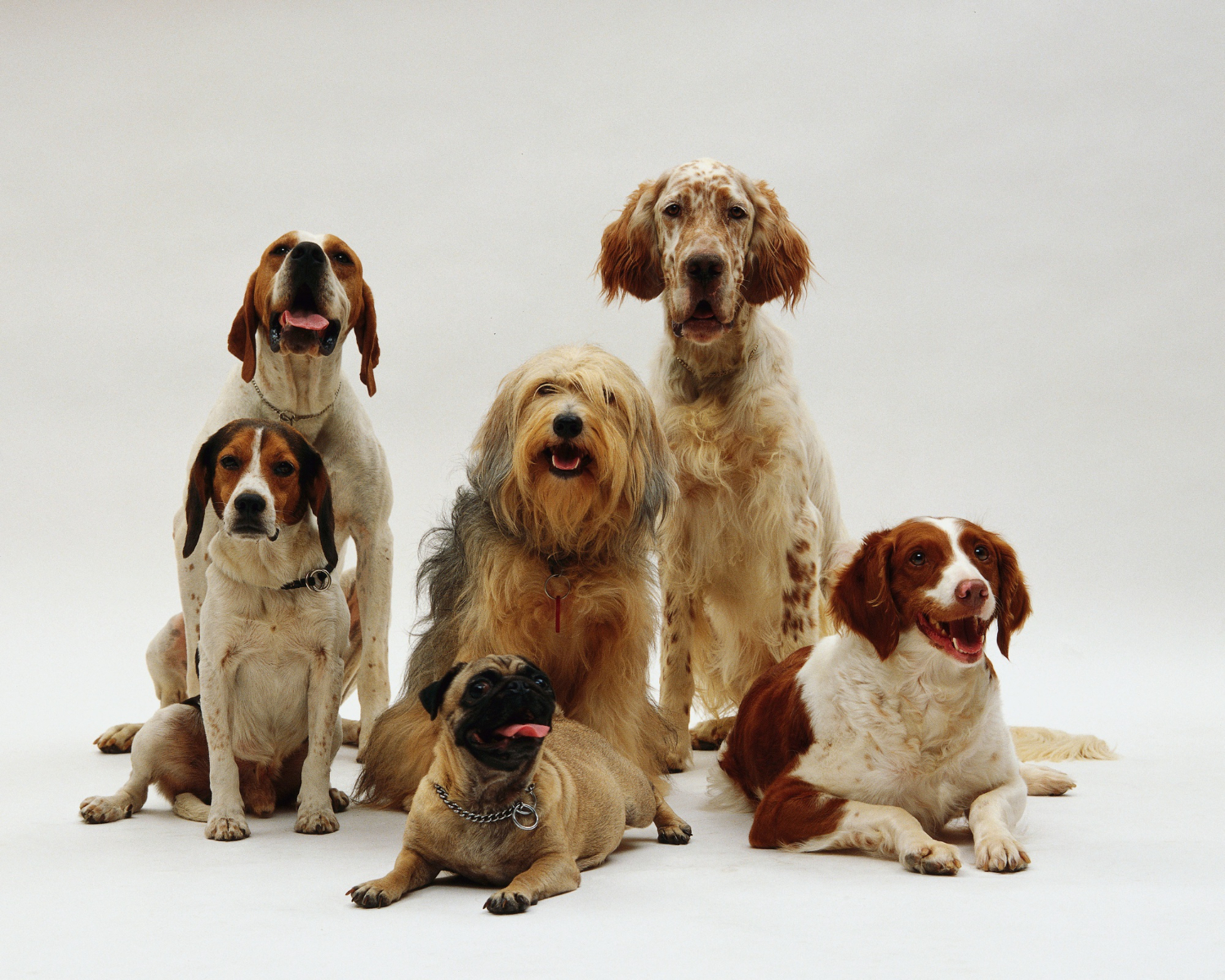
Your friend’s Chihuahua just had dental surgery at age 10 and recovered beautifully. Your 10-year-old Great Dane needs the same procedure, but your vet is hesitant about the risk of anesthesia and the recovery time.
Same age. Same procedure. Completely different risk calculations.
Health decisions that make perfect sense for one dog can be wrong for another, even when the medical issue looks identical. A limp in a Dachshund requires different thinking than a limp in a Labrador. Bloodwork that’s normal for a Greyhound might be concerning in a Beagle. A “senior” Golden Retriever is facing end-of-life planning, while a “senior” Poodle might have five good years ahead.
Breed, size, and age create fundamentally different health realities. Your vet isn’t applying the same template to every dog and adjusting minor details. They’re working with entirely different frameworks based on your dog’s physical characteristics and life stage.
Understanding why these differences matter helps you make sense of recommendations that seem inconsistent, prepare for breed-specific challenges, and have realistic expectations for your individual dog’s health journey.
Key Takeaways
- Size creates different orthopedic, cardiac, and anesthetic realities: Large dogs face joint problems and shorter lifespans; small dogs face dental disease and collapsing tracheas.
- Age timelines vary dramatically by size: A 10-year-old Mastiff is geriatric; a 10-year-old Toy Poodle is middle-aged.
- Breed predispositions shape preventive care priorities: What you watch for and screen for depends heavily on breed-specific risks
- The same symptom can mean different things: A cough in a Cavalier King Charles Spaniel may suggest heart disease; in a Yorkie, it might be tracheal collapse.
- Treatment decisions weigh differently: Surgery that’s routine in a young Lab might be too risky in a senior giant breed with the same condition.
- Long-term costs vary by breed and size; predictable breed tendencies significantly affect lifetime healthcare expenses.
- “Normal” is relative: Lab values, heart rates, and physical characteristics vary by breed in ways that matter for diagnosis.
How Size Determines Health Trajectory
The size difference between a 4-pound Chihuahua and a 180-pound Great Dane isn’t just about how much food they eat or how big their bed needs to be. It fundamentally changes their physiology, disease risks, and lifespan.
The Lifespan Disparity
Small dogs (under 20 pounds) typically live 12-16 years, sometimes longer. Medium dogs (20-50 pounds) average 10-13 years. Large dogs (50-100 pounds) average 8-12 years. Giant breeds (over 100 pounds) often live only 6-10 years.
This isn’t a small difference. A Chihuahua and a Great Dane born on the same day will hit completely different life stages at the same chronological age. At 7 years old, the Chihuahua is middle-aged with potentially a decade ahead. The Great Dane is a senior with maybe 2-3 years left.
Why Size Affects Lifespan
Larger dogs age faster at the cellular level. Research published by the American Veterinary Medical Association shows that large dogs have higher metabolic rates, faster cell turnover, and earlier onset of age-related diseases. Their bodies are working harder just to maintain basic function, which accelerates aging.
Giant breeds experience more rapid growth during puppyhood (going from birth weight to adult weight in 18-24 months versus 12 months for small breeds), which may contribute to the earlier development of degenerative conditions.
The Practical Reality
When you get a Saint Bernard puppy, you’re signing up for 8-10 years if you’re lucky. When you get a Toy Poodle puppy, you’re potentially committing to 15+ years. This affects everything from financial planning to emotional preparation.
A small dog’s chronic condition diagnosed at age 8 might require management for 6-8 more years. The same condition in a giant breed, diagnosed at age 8, might only require management for 1-3 years because their overall lifespan is shorter. Treatment decisions take this timeline difference into account.
Size Affects More than Lifespan
Body structure changes injury risk. Large dogs are prone to cruciate ligament tears and hip dysplasia due to the stress their weight places on their joints. Small dogs are prone to luxating patellas (kneecaps that slip out of place) and collapsing tracheas because of their delicate bone structure.
Organ size relative to body size matters. Giant breeds have proportionally smaller hearts that work harder to circulate blood through their massive bodies, increasing the risk of cardiac disease. Small breeds have proportionally larger brains and higher metabolic rates, affecting anesthesia calculations.
Even drug dosing isn’t linear. Medications aren’t always dosed strictly by weight; some are dosed by body surface area or metabolic rate, which changes the calculations between a 5-pound dog and a 150-pound dog getting the “same” treatment.
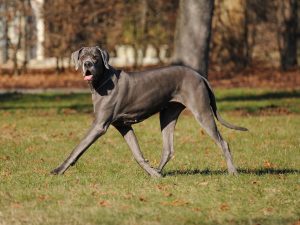
Large Breed Realities: Joints, Hearts, and Shortened Timelines
If you have a large or giant breed dog, certain health issues aren’t just possible, they’re probable. Understanding this helps you prepare rather than being blindsided.
Orthopedic Problems Are Nearly Inevitable
Large and giant breeds put tremendous stress on their skeletal systems. Hip dysplasia, elbow dysplasia, cruciate ligament tears, and arthritis develop at much higher rates than in smaller dogs.
Why Does This Happen?
The rapid growth period strains developing joints. The sheer weight-bearing load on joints accelerates wear and tear. Genetic predisposition in many large breeds (German Shepherds, Labrador Retrievers, Rottweilers, Golden Retrievers) compounds mechanical stress.
According to the Orthopedic Foundation for Animals, hip dysplasia affects over 20% of Labrador Retrievers, over 35% of Rottweilers, and nearly 50% of some giant breeds. These aren’t rare conditions; rather, they can be expected challenges.
What This Means For Pet Parents
You’re likely facing orthopedic surgery at some point: TPLO or other cruciate repair ($3,000-5,000), hip replacement ($5,000-7,000 per hip), or elbow surgery. Even without surgery, long-term management of arthritis means joint supplements ($50-100/month), pain medication, possible physical therapy, and mobility aids as they age.
Weight management becomes critical. Every extra pound puts additional stress on already-compromised joints. A lean large dog has a better quality of life and mobility than an overweight one, and the difference is dramatic.
Cardiac Disease Shows Up Earlier
Giant breeds, particularly Great Danes, Dobermans, Boxers, and Irish Wolfhounds, are prone to dilated cardiomyopathy (DCM), a condition where the heart enlarges and weakens, leading to heart failure. This often develops in what should be a dog’s prime years, ages 4-8. By the time symptoms appear (coughing, exercise intolerance, fainting), the disease is usually advanced.
The Merck Veterinary Manual’s section on breed-specific cardiac disease notes that certain large breeds should undergo cardiac screening even when young and asymptomatic, because early detection enables treatment that can significantly extend quality of life.
Annual cardiac exams become important earlier than with small dogs. You might consider having echocardiograms (ultrasounds of the heart) periodically, even without symptoms, if you have a high-risk breed. If diagnosed, you’re managing heart medications long-term and making activity modifications.
Anesthesia Carries Higher Risk
Every time your large or giant breed dog needs anesthesia for dental cleaning, surgery, or diagnostics, the risk is higher than for smaller dogs.
Larger body mass means larger doses of drugs, which affects metabolism and recovery. Positioning a 150-pound unconscious dog safely requires special equipment and multiple people. Recovery takes longer and complications are more likely.
This doesn’t mean large dogs can’t have anesthesia safely; they do it all the time. But it factors into decision-making about elective procedures. A dental cleaning that’s routine for a Beagle might require more careful risk-benefit analysis in a 10-year-old Great Dane with a heart murmur.
The Timeline Compression
Because large dogs age faster and live shorter lives, everything happens on a compressed timeline. They reach senior status by age 6-7. Age-related diseases develop in what feels like their prime. End-of-life planning becomes relevant when they still seem young. This is emotionally difficult. You get less time with them, and the time you do have may be spent on health management.
The Financial Reality
Large dogs cost more to treat. Medications are dosed by weight, so monthly costs are higher. Diagnostics like X-rays and CT scans cost more for larger bodies. Surgery is more expensive because it requires more anesthesia, more time, and more resources.
Over a shorter lifespan, you might spend as much or more on veterinary care for a Great Dane (8 years, multiple orthopedic issues, cardiac management) as for a Chihuahua (15 years, dental disease, minor ailments). The costs are frontloaded into fewer years.

Small Breed Challenges
Small dogs avoid many problems that plague large breeds, but they face their own predictable set of issues.
Dental Disease
Small and toy breeds have the same number of teeth as large dogs, but those teeth are crowded into a much smaller mouth. This creates tight spaces where plaque and bacteria accumulate rapidly. Yorkies, Chihuahuas, Toy Poodles, Maltese, and similar breeds often start showing significant dental disease by age 3-5. Without regular dental care, many lose multiple teeth by middle age.
Why This Matters
Dental disease isn’t just cosmetic. It can be painful and can cause infections that can spread to organs. It affects quality of life when eating becomes uncomfortable. Home dental care (brushing) is critical, but small dogs need professional dental cleanings more frequently than large dogs, often annually or even more often.
VCA Hospitals’ dental disease guidelines note that small-breed dogs have disproportionately high rates of periodontal disease, with some studies showing over 80% affected by age 3.
Dental cleanings under anesthesia cost $300-800, depending on severity and extractions needed. Multiply that by 12-15 years with cleanings every 1-2 years, and dental care becomes one of the largest ongoing expenses for small dog owners.
Collapsing Trachea and Respiratory Issues
Toy breeds, particularly Yorkies, Pomeranians, and Chihuahuas, are prone to tracheal collapse, where the windpipe weakens and partially collapses, causing a honking cough and breathing difficulty.
This condition is progressive and not curable. Management involves weight control, avoiding neck pressure (using harnesses instead of collars), medications to reduce inflammation and coughing, and, in severe cases, surgical intervention.
Brachycephalic breeds (Pugs, French Bulldogs, Boston Terriers) face different but equally challenging respiratory problems due to their flat faces and elongated soft palates. They overheat easily, struggle with exercise, and may need surgery to improve breathing.
Luxating Patellas (Kneecap Problems)
Small dogs frequently have kneecaps that slip out of the groove they’re supposed to track in. This ranges from mild (occasionally pops out and back in, causes brief skipping) to severe (constantly out of place, requires surgery).
Toy Poodles, Yorkies, Chihuahuas, Pomeranians, and similar breeds are highly predisposed. Many live with mild cases that never require surgery. Severe cases may require surgical correction ($2,000-4,000 per knee).
Hypoglycemia (Low Blood Sugar)
Tiny dogs, especially as puppies, can develop dangerously low blood sugar if they don’t eat frequently enough. Their small size and high metabolic rate mean they have minimal energy reserves. This is most critical in puppies under 6 months old, but some adult toy breeds remain susceptible, especially during illness or stress.
This may require more frequent feeding schedules (3-4 meals daily for tiny dogs versus 2 for larger dogs). Careful monitoring during illness. Keeping emergency glucose sources (corn syrup, honey) on hand. This is a management consideration that large-breed parents likely won’t need to think about.
The Longevity Challenge
Small dogs living 14-16 years means you’re committing to potentially managing chronic conditions for a decade or more. A Chihuahua diagnosed with heart disease at age 8 might need medication for 6-8 more years. The flip side of course is that you get more years with them. The joy of small dog ownership often comes from that extended companionship. But it also means budgeting for veterinary care over a much longer timeframe.
Cornell University’s overview of toy-breed health concerns emphasizes that while small dogs avoid many orthopedic problems of large breeds, they face their own predictable set of conditions that require lifelong management.
Why Age Isn’t Just a Number
Two 8-year-old dogs can be in completely different life stages depending on their size. Understanding breed-specific aging helps set appropriate expectations and informs care decisions.
The Shifting Definition of “Senior”
- Giant breeds (over 100 lbs): Senior at 5-6 years
Large breeds (50-100 lbs): Senior at 6-7 years
Medium breeds (20-50 lbs): Senior at 8-9 years
Small breeds (under 20 lbs): Senior at 10-11 years
This is a general overview that indicates when age-related diseases may begin to appear and when preventive care needs to intensify.
Your giant breed needs senior screening at age 5, bloodwork, more frequent exams, and cardiac evaluation. Your Chihuahua probably doesn’t need that until age 10.
How Life Stages Affect Treatment Decisions
A 10-year-old Great Dane with cancer faces a different calculation than a 10-year-old Maltese with cancer. The Dane might have 1-2 years left regardless, making aggressive chemotherapy less appealing. The Maltese might have 5-6 years left, which may change the recommended or actual treatment plan.
Surgery decisions factor in life expectancy, too. A 12-year-old Toy Poodle (potentially middle-aged) might be a great candidate for a procedure that gives them 4-5 more good years. A 12-year-old Irish Wolfhound requires more careful consideration about whether surgery improves their limited remaining time or just creates suffering.
The Puppyhood Considerations
Large-breed puppies need different nutrition than small-breed puppies. They need controlled growth to prevent orthopedic problems. Too much food, too many calories, or too much calcium can worsen the development of hip and elbow dysplasia.
The American Animal Hospital Association's puppy care guidelines specify that large and giant breed puppies should be fed specially formulated diets that support slow, steady growth rather than maximum growth rate.
Small-breed puppies need more calorie-dense food and more frequent feedings to prevent hypoglycemia. Their rapid metabolism and tiny size create different nutritional needs.
Same age puppy, completely different feeding strategies based on adult size.
Middle Age Looks Different
For a Great Dane, middle age (3-5 years) is their prime. You’re watching for early signs of cardiac disease and managing any orthopedic issues that have developed, but they’re generally healthy and active.
For a Chihuahua, middle age (7-10 years) is when dental disease needs active management, but they’re otherwise in their prime with years ahead.
Understanding what to expect at each life stage for your specific dog helps you distinguish normal aging from disease and know when to seek veterinary attention versus when changes are expected.
When the Same Diagnosis Requires Different Approaches
Two dogs with identical diagnoses might get completely different treatment recommendations based on breed, size, and age.
ACL Tear Example
A 3-year-old Labrador with a torn cruciate ligament: Surgery (TPLO) is almost always recommended. They’re young, active, have years ahead, and will do very poorly without surgical repair. Recovery takes 3-4 months, but outcomes are generally excellent.
A 12-year-old Chihuahua with a torn cruciate ligament: Conservative management (rest, pain medication, controlled activity) might be recommended instead of surgery. They’re tiny (surgery is technically more challenging), senior (anesthesia risk is higher), less active (lower demand on the joint), and may do reasonably well with medical management. Surgery is still possible if chosen, but the calculation is different.
A 9-year-old Saint Bernard with a torn cruciate ligament: This is complicated. Surgery is challenging because of their size and weight. Recovery is difficult because keeping a giant breed inactive for months is hard. They’re already senior, and the risk of anesthesia is higher. But without surgery, they’ll likely be severely lame and uncomfortable. There’s no easy answer; it’s a genuine dilemma where different pet parents might choose differently.
Same diagnosis, three completely different decision landscapes based on breed, size, and age.
Heart Disease Example
A Cavalier King Charles Spaniel with mitral valve disease: This is expected; most Cavaliers develop this. Management with medications (pimobendan, ACE inhibitors, diuretics) is standard. The goal is to manage a chronic, progressive condition. With treatment, many live years with a good quality of life. The diagnosis is almost inevitable, so owners of Cavaliers should expect it and plan for it financially.
A Doberman with dilated cardiomyopathy: This is serious and progressive. Medication helps, but prognosis is guarded; many survive 6-18 months from diagnosis, even with treatment. The approach is to manage symptoms and maximize quality time. Some owners pursue aggressive treatment; others focus on comfort. The disease trajectory is steeper than in Cavaliers.
Same disease category (heart), different breed predispositions, different progression patterns, different decision frameworks.
How Can Pet Insurance Help You if Your Dog Needs Treatment?
Pet insurance can be a valuable tool in managing the costs of treating a dog’s veterinary expenses. By having a pet insurance policy in place, you can have peace of mind knowing that you can provide medical care for your furry companion without worrying about the financial burden. Pet insurance can help cover the costs of veterinary consultations, diagnostic tests, medications, and even specialized treatments if required.
Reimbursement
This method is the most common for pet insurance companies. You pay out of pocket for the veterinarian bill, and then the insurance company reimburses you for what’s covered under the insurance plan. The steps look like this.
- You pay the vet bill after your dog’s visit.
- You fill out the pet insurance claim form.
- Submit the claim form and other required documentation to the insurer.
- After the claim is approved, you will be reimbursed for eligible expenses.
What Does Odie Pet Insurance Cover?
Pet insurance covers various veterinary expenses, providing financial protection and peace of mind for pet owners. Get a free quote from Odie in minutes and reduce the financial stress of breed-specific health conditions, size-related complications, and age-appropriate care that varies dramatically across different dogs.
Here are the details of the coverage options offered by Odie Pet Insurance:
Illness & Injury Plan
The Illness & Injury Plan is an all-inclusive insurance plan designed to cover a wide range of medical needs for your pet. This plan includes comprehensive coverage for various illnesses, injuries, and veterinary services. Some of the covered items include:
- Veterinary exams and consultations
- Diagnostics (e.g., X-rays, lab tests)
- Prescribed medications
- Surgeries and hospitalization
- Rehabilitation, acupuncture, or chiropractic treatments
- Medically necessary supplies
The Wellness Plan
The Wellness Plan is a monthly membership that focuses on preventive care and covers routine veterinary services.
- Provides reimbursements for routine care items such as wellness visits (exams and vaccines), testing and parasite prevention, dental cleanings and at-home dental care, vitamins, supplements, and more.
- Through Odie’s partnership with Petivity, a leader in smart pet products and proactive care, Wellness Plan members can also receive reimbursements for Petivity devices and health kits, as well as eligible Purina food and supplements.
- Total reimbursement up to $700 per year.