What Does It Mean When a Cat Loafs?
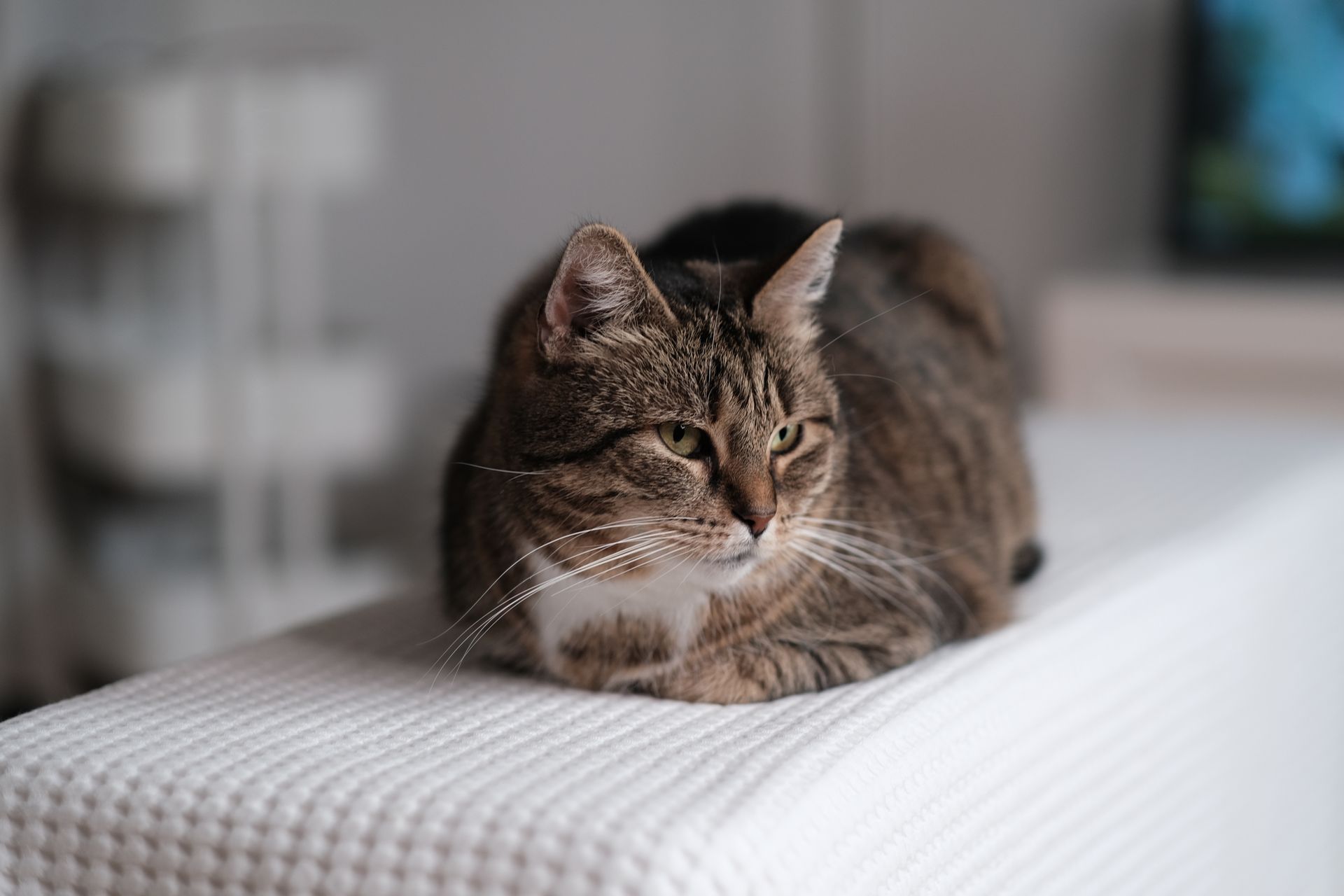
The short answer: A cat loaf is a resting position where a cat tucks all four paws underneath its body, forming a neat, compact shape. It signals that the cat feels comfortable, warm, and safe in its environment. Most loafing is completely normal and is a positive sign about your cat’s emotional state. A tense loaf, a hunched posture, or loafing paired with low energy, hiding, or appetite changes may indicate stress, discomfort, or an underlying health issue worth looking into.
Key Takeaways
- The cat loaf position, paws tucked neatly under the body, signals relaxation, warmth-seeking, and a sense of safety in the environment.
- Different loaf variations carry different meanings: a full relaxed loaf means the cat is at ease, while a tense loaf or hunched posture can indicate stress or pain.
- Loafing is a sign of trust. Cats that are afraid or on guard do not tuck their paws in; they keep their feet available to run or react.
- The key distinction between a loaf and a concerning hunched posture is body tension: a relaxed loaf has a soft, rounded shape, while a hunched cat appears rigid, arched, or withdrawn.
- Changes in loafing behavior, such as a cat that suddenly loafs much more or less than usual, are worth monitoring alongside other signs of health or mood changes.
- Appetite loss, hiding, or labored breathing alongside unusual postures always warrant a vet visit.
In This Article
- What Is a Cat Loaf?
- What Do Different Cat Loaf Positions Mean?
- Is Loafing a Sign Your Cat Feels Safe?
- Cat Loaf vs. Hunched Position: What’s the Difference?
- Common Reasons Cats Loaf
- When Cat Loafing May Signal a Health Problem
- Frequently Asked Questions
What Is a Cat Loaf?
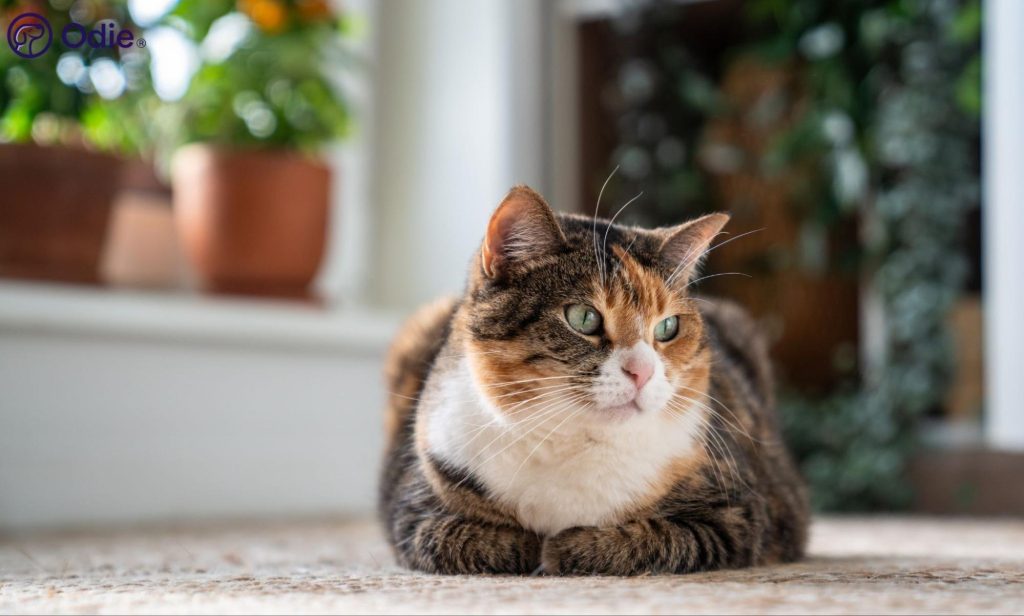
A cat loaf, named for the compact rectangular shape it creates, is a resting posture where a cat sits with all four paws tucked under its body and its tail wrapped in close. The result is a tidy, cushion-like shape with no limbs visible from the front, which is where the bread-loaf comparison comes from.
It is one of the most commonly seen resting positions in domestic cats and one of the most immediately recognizable to anyone who spends time around them. The loaf appears in all sorts of contexts: on the couch, on a sunny windowsill, on a lap, or on a kitchen counter. The specific location tells you something about what the cat values at that moment, but the loaf position itself is what communicates how the cat is feeling.
What Do Different Cat Loaf Positions Mean?
Not all loafs are the same. Subtle variations in how a cat holds its body, how tight the tuck is, whether the head is up or down, and how tense or soft the muscles appear all carry meaning. The table below breaks down the most common loaf positions and what each one typically communicates.
| Position | What It Looks Like | What It Usually Means |
| Full loaf | All four paws tucked neatly under the body, tail wrapped around the sides | Relaxed and comfortable; cat feels safe and is conserving warmth |
| Partial loaf | Front paws tucked, back legs not fully under; slightly less tidy | Semi-alert; comfortable but ready to move if needed; often seen during light dozing |
| Sphinx loaf | Paws tucked but head held upright, eyes open or half-open | Alert and observing the environment while staying comfortable; a watchful rest |
| Tight loaf | Paws pulled close to the body, cat appears compact and small | Usually warmth-seeking; very common in cold environments or chilly seasons |
| Tense loaf | Body rigid rather than relaxed, fur slightly raised, eyes wide | Stress or alertness; something in the environment has the cat on edge |
| Hunched posture | Back arched or rounded, head low, may appear to be leaning into the surface | Possible discomfort or pain; distinct from a loaf and worth monitoring closely |
Is Loafing a Sign Your Cat Feels Safe?
Yes, and it is one of the more reliable ones. A cat that loafs is a cat that has made a deliberate choice to tuck away its means of quick movement. Cats keep their paws available when they feel threatened or uncertain, since a paw-tucked position is not the fastest one to spring from. Choosing to loaf means the cat has assessed its surroundings and decided that the situation does not require readiness to flee or react.
This is particularly meaningful in new environments or around new people. A cat that loafs in the presence of a visitor, or in a new home shortly after moving in, is communicating a significant level of comfort. A cat that remains crouched, weight forward on its paws, or positioned near an exit is communicating the opposite.
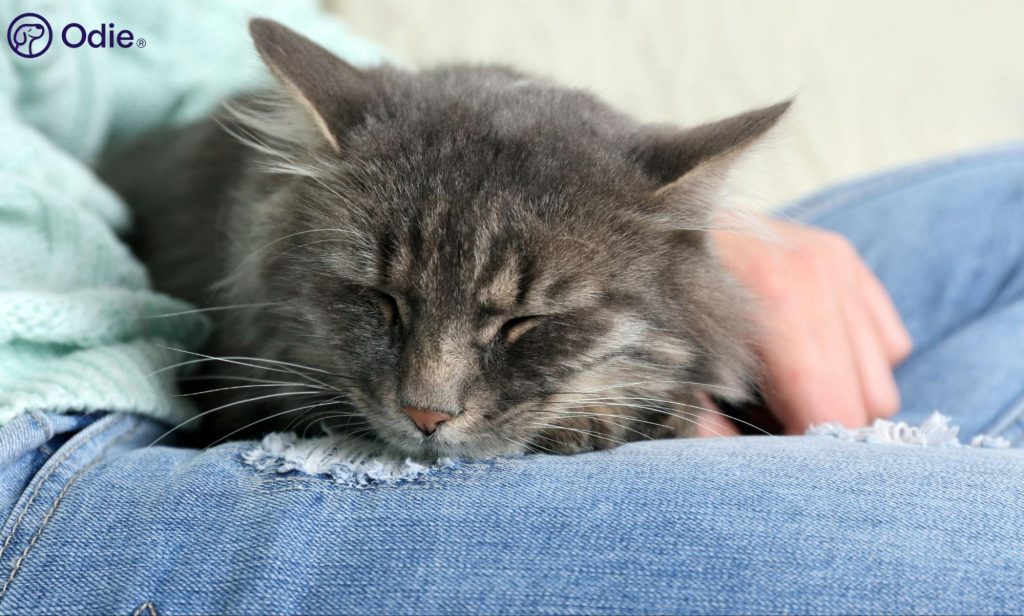
The loaf is also a temperature management choice. Tucking paws under the body reduces the surface area exposed to cool air and retains body heat efficiently. This means cats loaf more often in cooler conditions, on cold floors, or during winter months regardless of their emotional state. Context matters when interpreting the position: a cat loafing on a warm lap in a familiar space is expressing contentment, while a cat loafing tightly on a cold tile floor may simply be trying to stay warm.
Cat Loaf vs. Hunched Position: What’s the Difference?
The distinction between a relaxed loaf and a concerning hunched posture is one that cat owners benefit from knowing, because the two can look similar at a glance but mean very different things.
The Relaxed Loaf
A relaxed loaf has a soft, rounded quality. The cat’s back is level or gently curved, not arched or rigid. The face is calm, with soft eyes that may be half-closed, slow-blinking, or gently closed. The body appears settled into the surface rather than held above it. Ears sit in a neutral or slightly forward position. The tail, if visible, is still.
The Hunched Posture
A hunched posture is more rigid and contracted. The back may be visibly arched or rounded upward. The head is often held lower than in a normal loaf, sometimes tucked toward the chest. The cat may appear to be pressing or leaning into the surface rather than resting on it. Eyes may be partially or fully closed but in a way that looks strained rather than drowsy. Ears may be slightly flattened or held to the sides. The overall impression is of a cat that is trying to make itself smaller or that appears withdrawn rather than at ease.
A hunched posture that persists, appears alongside changes in appetite or litter box behavior, or is accompanied by vocalizing when touched or moved is a signal to contact a veterinarian. Pain, nausea, and respiratory discomfort are among the common causes of a hunched resting posture in cats, and each benefits from early identification.
Common Reasons Cats Loaf
Beyond the emotional and temperature-related reasons covered above, a few specific contexts reliably produce loafing behavior in most cats.
Warmth and Heat Conservation
Tucking paws under the body is one of a cat’s most effective passive warming strategies. It reduces the body surface area exposed to air, retains heat generated by the core, and keeps the paw pads, which have relatively little insulation, warm. Cats loaf more in cold weather, on hard or cool surfaces, and in rooms without direct sun. Providing warm, elevated resting spots reduces cold-floor loafing and is a quality-of-life improvement for most cats.
Light Rest Without Full Sleep
The loaf is a common position for dozing rather than deep sleep. A cat in a full stretched-out sleep is more deeply relaxed; a loafing cat is resting but retaining a degree of awareness. This is why the sphinx loaf, with the head upright and eyes partially open, appears so often in cats that are in a busy or somewhat stimulating environment. They want to rest but are not prepared to fully switch off.
Contentment and Routine
Many cats develop a habitual loafing spot, a particular chair arm, a specific shelf, or a favorite corner of the sofa, and return to it regularly throughout the day. This is a sign that the cat has identified that location as comfortable and safe. A cat’s regular loafing spots are a useful behavioral baseline: if a cat stops using a preferred loaf spot without an environmental reason, it is worth noting alongside other behavioral changes.
When Cat Loafing May Signal a Health Problem
Loafing itself is not a health concern. The version of loafing that warrants attention is the one that looks or feels different from the cat’s normal pattern, appears alongside other signs, or that a cat seems unable to shift out of comfortably.
Most of the time, a cat that seems to be loafing more than usual is simply cold, content, or in a restful phase of their day. The situations worth paying attention to are more specific.
Call your vet if your cat shows loaf-like posture alongside:
- Reduced appetite or refusal to eat for more than 24 hours
- Changes in litter box habits, including straining, blood in urine, or very infrequent elimination
- Labored, rapid, or open-mouth breathing
- Sensitivity or flinching when touched along the back, abdomen, or sides
- A posture that looks hunched, arched, or rigid rather than softly rounded
- Hiding in unusual locations or withdrawing from normal activity and interaction
- Vomiting more than once in a 24-hour period
Straining in the litter box alongside a hunched posture can indicate constipation. See Cat Constipation: Signs, Causes, and Easy Home Fixes for more on recognizing and addressing this.
If your cat’s breathing seems labored or rapid while resting, see Why Does My Cat’s Heart Beat So Fast? for context on what normal and abnormal respiratory rates look like in cats.
| If a change in your cat’s posture or behavior leads to a vet visit, Odie pet insurance helps cover the cost of diagnosis and treatment. |
Frequently Asked Questions
Why do cats loaf?
Cats loaf primarily because it is a comfortable, energy-conserving resting position that keeps them warm and allows them to stay semi-alert without fully lying down. The position tucks paws under the body to retain heat, reduces muscle effort compared to standing or crouching, and reflects a calm emotional state. A cat that loafs has assessed its surroundings and decided that no immediate action is required.
What does it mean when a cat loafs on you?
A cat that chooses to loaf on a person’s lap or chest is expressing both comfort and trust. The loaf position requires a degree of security, since it is not a stance from which a cat can quickly flee. Choosing to do it directly on a person, rather than nearby, reflects a strong positive association with that person as a safe and comfortable presence. It is one of the clearer signs of cat-human bonding.
Do cats loaf when they are sick?
Cats can loaf when they are sick, but a sick cat’s resting posture typically has a different quality than a comfortable loaf. A cat in discomfort tends to appear rigid, hunched, or withdrawn rather than soft and settled. The key signs to watch alongside unusual posturing are appetite changes, litter box changes, vomiting, hiding, and sensitivity to touch. If a cat is resting more than usual and any of those other signs are also present, a veterinary evaluation is worth scheduling.
Why does my cat loaf and stare at me?
A cat that loafs while watching you is in a relaxed, observational state. The combination of a loaf body posture and direct attention toward you is a positive signal: the cat is comfortable enough to rest but interested in what you are doing. If the gaze is soft, with slow blinks or partially closed eyes, the cat is at ease and may be inviting further interaction. Slow blinking back is a recognized way of returning the friendly signal.
Is a cat loaf the same as a cat sitting normally?
No. Normal sitting in a cat involves the back legs folded to the side or tucked under but with the front paws visible and touching the surface. A loaf specifically involves all four paws tucked fully underneath the body so that no feet are visible from the front and the cat resembles a compact rectangle. The loaf is generally a more relaxed and settled position than standard sitting.
My cat suddenly started loafing much more than usual. Should I be concerned?
A sudden increase in time spent resting or loafing can be worth noting, particularly if it coincides with reduced activity, changes in appetite, or other behavioral changes. Cats that are unwell often rest more and interact less. If the increased loafing is the only change and the cat seems otherwise normal, eating well, using the litter box regularly, and engaging when approached, it may simply reflect a seasonal shift, a change in temperature, or a natural variation in energy level. If other signs accompany it, a vet call is the right step.
Conclusion
The cat loaf is one of the most recognizable and most reliably positive signals in feline body language. A cat that loafs is a cat that has decided its environment is safe enough to settle into comfortably, paws tucked, muscles soft, and attention lowered. It is a small but meaningful indicator of a cat’s emotional state, and recognizing it alongside its less relaxed variations helps owners read their cats more accurately over time.
The distinction between a soft, settled loaf and a tense or hunched posture is the most practically useful thing to take from this guide. Most loafs are good news. The ones that are not tend to come with other signals, and knowing what to look for makes it easier to act on them promptly when they appear.