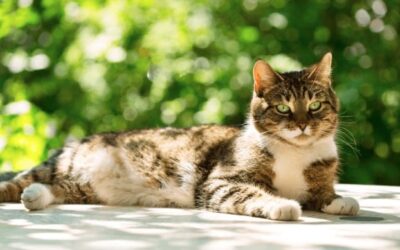
The Six Healthiest Cat Breeds
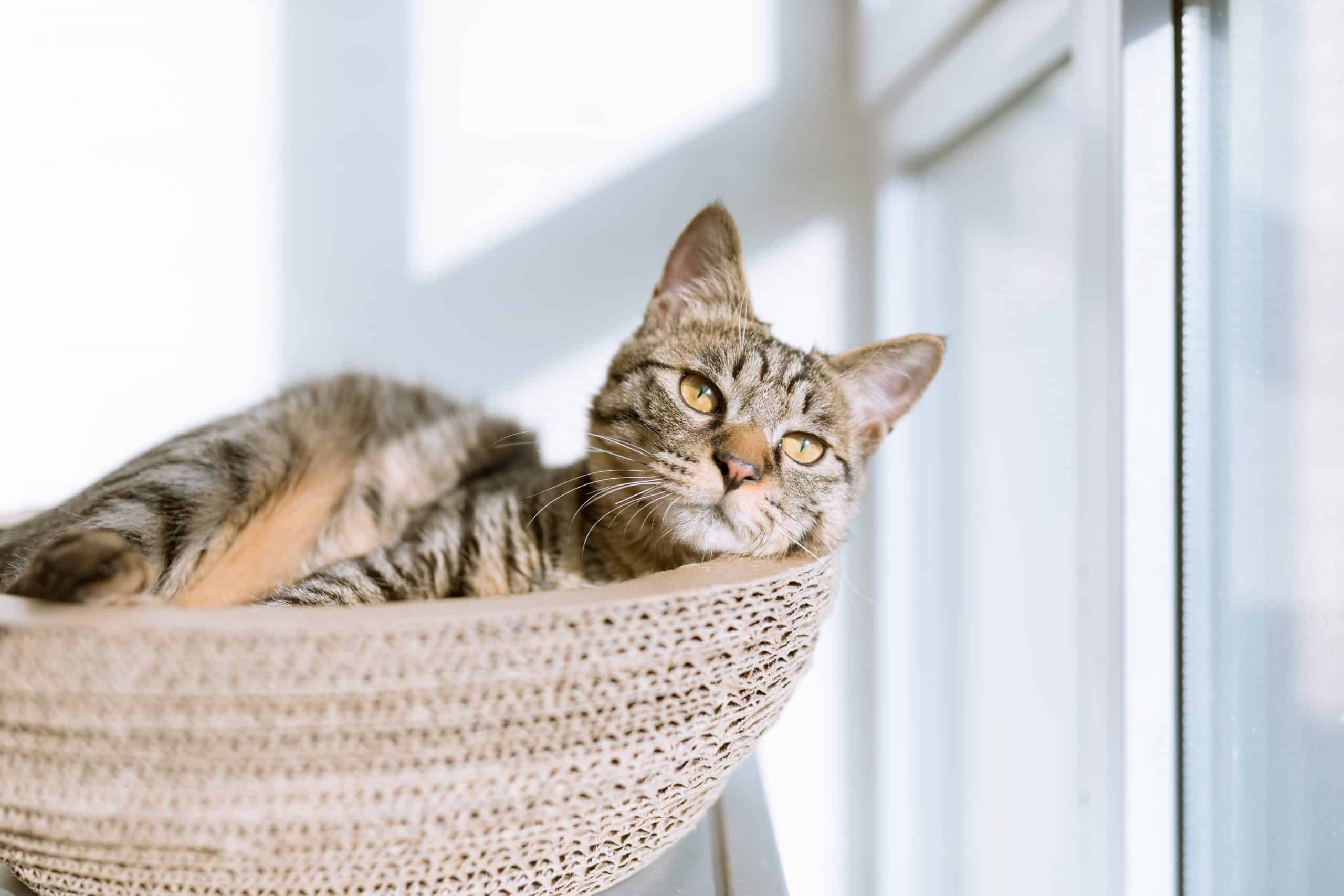
The short answer: The healthiest cat breeds are generally those with fewer inherited genetic disorders and longer average lifespans. Breeds that consistently rank well on both measures include the American Shorthair, Russian Blue, Siamese, Ragdoll, British Shorthair, and Bengal. No cat breed is completely disease-free, and a cat’s long-term health depends as much on diet, preventive veterinary care, weight management, and environment as it does on genetics.
Key Takeaways
- The American Shorthair and Siamese are among the longest-lived domestic cat breeds, with average lifespans of 15 to 20 years under good care.
- Russian Blues are notable for carrying no common genetic disorders, though they are prone to bladder stones.
- Most cat breeds, including Ragdolls, British Shorthairs, and Ragamuffins, carry some risk of hypertrophic cardiomyopathy (HCM), the most common heart condition in cats. Annual cardiac screening helps catch it early.
- High-energy breeds like Bengals and Savannahs need significant mental and physical stimulation to maintain a healthy weight and reduce stress-related health issues.
- Breed genetics set the floor for health potential, but diet, activity level, preventive care, and annual vet visits determine how much of that potential a cat actually reaches.
- Pet insurance enrolled while a cat is young provides the broadest coverage before breed-specific conditions develop.
In This Article
- Healthiest Cat Breeds at a Glance
- American Shorthair
- Russian Blue
- Siamese
- Ragdoll
- British Shorthair
- Bengal
- Other Breeds Worth Considering
- What Makes a Cat Breed “Healthy”?
- Frequently Asked Questions
Healthiest Cat Breeds at a Glance
The table below compares the six healthiest cat breeds across the factors that matter most for long-term health: average lifespan, notable health risks, activity level, grooming needs, and general personality. Use it as a quick reference before reading the individual breed sections below.
|
Breed |
Avg Lifespan |
Notable Health Risks |
Activity Level |
Grooming Needs |
Personality |
|
American Shorthair |
15–20 yrs |
HCM (manageable with screening) |
Moderate |
Low |
Calm, adaptable, family-friendly |
|
Russian Blue |
13–17 yrs |
Bladder stones; no major genetic disorders |
Moderate |
Low |
Reserved, loyal, gentle |
|
Siamese |
15–20 yrs |
Dental disease; respiratory issues in some lines |
High |
Low |
Vocal, affectionate, social |
|
Ragdoll |
12–15 yrs |
HCM; bladder stones |
Low–Moderate |
Moderate |
Docile, affectionate, easygoing |
|
British Shorthair |
12–17 yrs |
HCM; hemophilia B (DNA testable) |
Low–Moderate |
Low |
Calm, independent, affectionate |
|
Bengal |
12–16 yrs |
PK deficiency; PRA eye condition |
Very High |
Low |
Active, curious, intelligent |
|
Ragamuffin |
13–16 yrs |
HCM; kidney disease risk in some lines |
Low–Moderate |
Moderate |
Social, gentle, affectionate |
|
Savannah |
12–20 yrs |
Minimal known genetic disorders; ongoing research |
Very High |
Low |
Active, curious, social |
1. American Shorthair
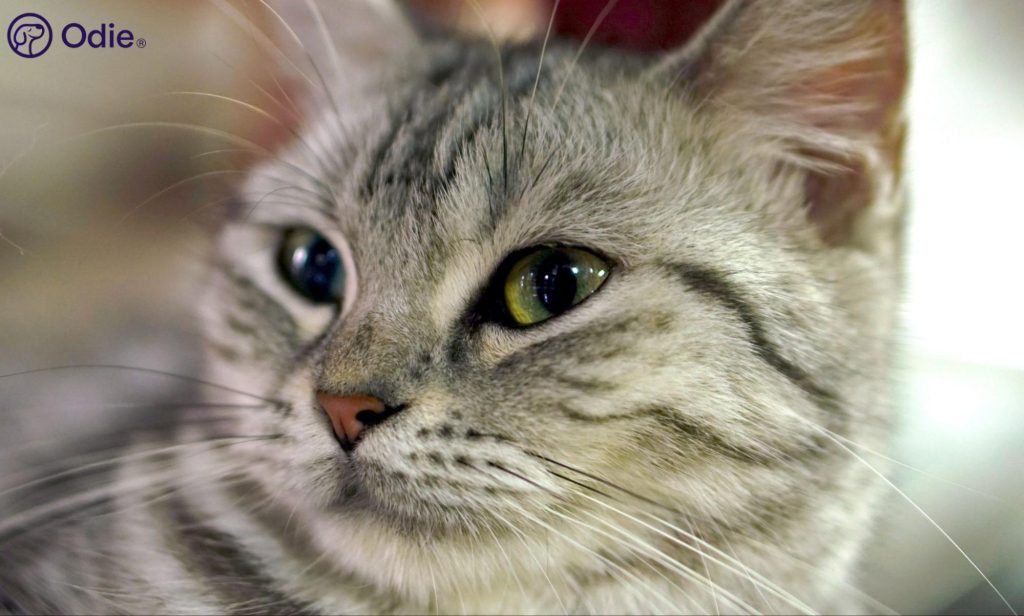
The American Shorthair is one of the most consistently healthy domestic cat breeds available. With an average lifespan of 15 to 20 years and a robust genetic profile developed through centuries of natural selection rather than extreme selective breeding, these cats tend to be sturdy, adaptable, and lower-maintenance than many purebred alternatives.
Like most cat breeds, American Shorthairs carry some predisposition to hypertrophic cardiomyopathy, the most common form of heart disease in cats. This risk is manageable with annual cardiac screening starting around age five and is not typically a barrier to a long, healthy life. Their easygoing temperament and moderate activity level also make them a practical choice for a wide range of household types, including families with children and multi-pet homes.
- Average lifespan: 15 to 20 years
- Primary health concern: Hypertrophic cardiomyopathy — annual screening recommended from age 5
- Grooming: Minimal — short coat requires occasional brushing
- Best for: Families, first-time cat owners, multi-pet households
2. Russian Blue
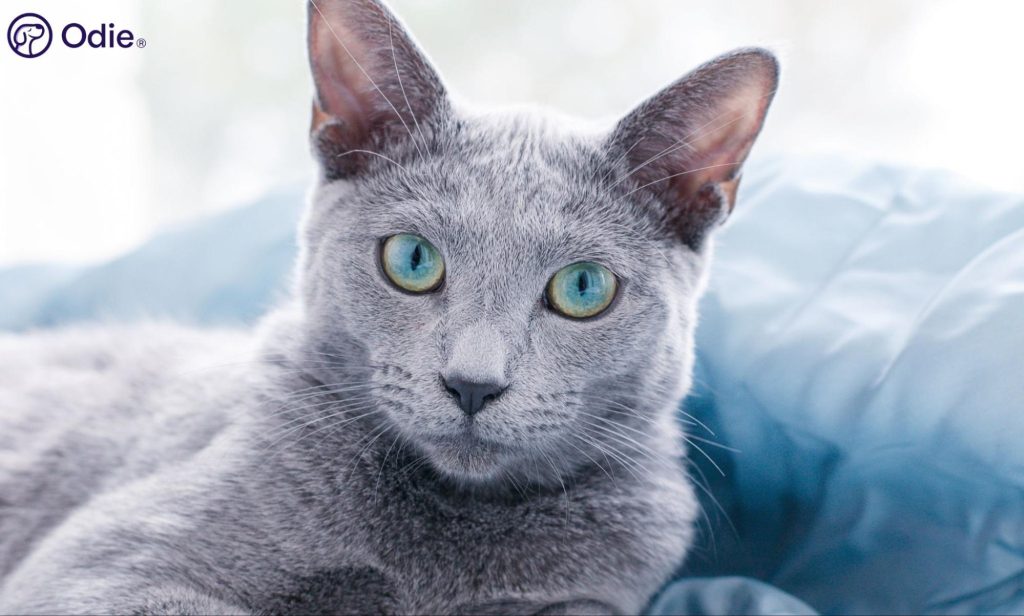
Russian Blues stand out among purebred cats for carrying no commonly documented genetic disorders specific to the breed, which is relatively rare in the world of pedigree cats. Their most frequently noted health concern is bladder stones, which can be managed with appropriate diet and regular veterinary monitoring. Combined with an average lifespan of 13 to 17 years and a typically calm, low-stress temperament, Russian Blues are a strong choice for owners prioritizing longevity and predictable health.
They tend toward reservation with strangers but form deep bonds with their primary caregivers. Their quieter, less demanding nature means they are less likely to develop stress-related health behaviors and do well in calmer household environments. Weight monitoring is worth attention in this breed, since their tendency toward inactivity in sedentary environments can contribute to gradual weight gain.
- Average lifespan: 13 to 17 years
- Primary health concern: Bladder stones — dietary management and monitoring helpful
- Grooming: Low — dense coat benefits from weekly brushing to reduce shedding
- Best for: Quieter households, owners who want a devoted, lower-drama companion
3. Siamese
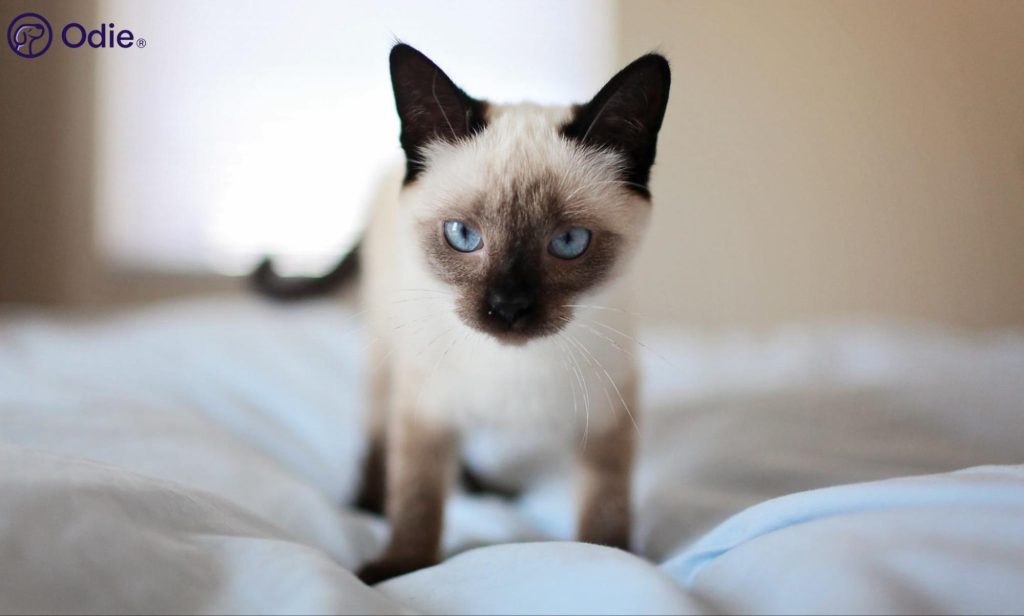
The Siamese is one of the oldest and most recognizable cat breeds in the world, and it consistently appears on lists of healthy, long-lived breeds for good reason. Average lifespans of 15 to 20 years are well-documented in the breed, and Siamese cats tend to remain active and engaged well into their senior years. Their lean, muscular build and naturally high activity level contribute to better weight management than many lower-energy breeds.
Dental disease is the most common health concern in Siamese cats, making regular dental care, including professional cleanings and daily or frequent at-home brushing, more important in this breed than in others. Some Siamese lines carry a predisposition to respiratory issues, and their vocal, social nature means that prolonged isolation can contribute to stress-related behavioral and physical health effects. They do best with consistent companionship and mental stimulation.
- Average lifespan: 15 to 20 years
- Primary health concern: Dental disease — regular professional cleanings recommended
- Grooming: Minimal — short coat requires very little maintenance
- Best for: Active owners, social households, anyone wanting a highly interactive companion
4. Ragdoll
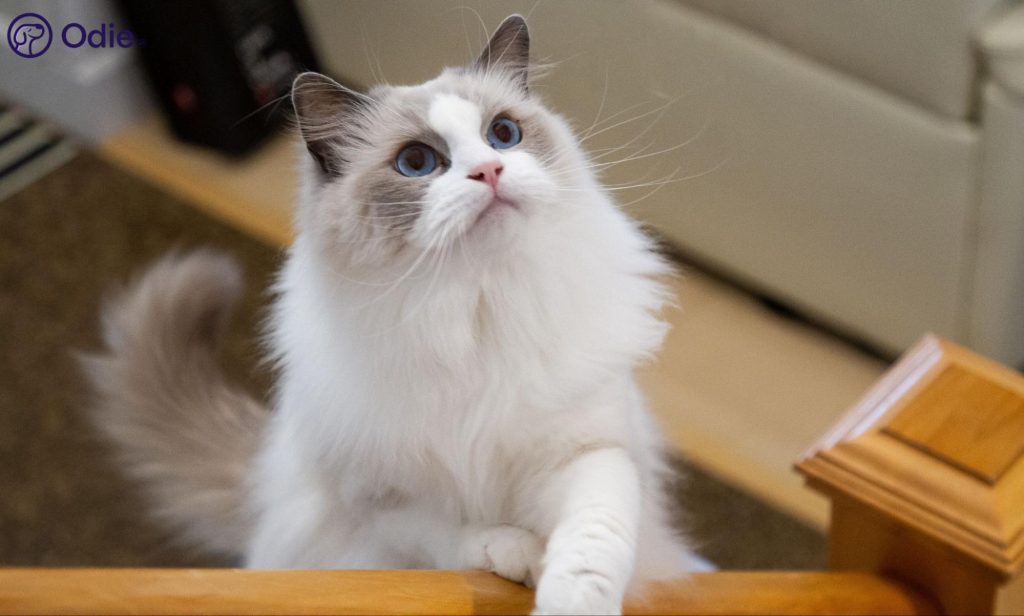
Ragdolls are large, gentle cats known for going limp when picked up, which is where the breed name comes from, and for being among the most easygoing of all domestic cat breeds. Their average lifespan of 12 to 15 years is solid, and their calm, low-stress temperament tends to support physical health by reducing the physiological effects of chronic anxiety.
Hypertrophic cardiomyopathy and bladder stones are the two health conditions most associated with the Ragdoll breed. Responsible breeders screen breeding cats for HCM, and adopters should ask for documentation of this screening when purchasing from a breeder. Annual cardiac ultrasound screening for adult Ragdolls is generally recommended by veterinary cardiologists, since early detection significantly improves management outcomes. Their semi-long coat requires regular combing to prevent matting, particularly around the neck and underarms.
- Average lifespan: 12 to 15 years
- Primary health concerns: Hypertrophic cardiomyopathy; bladder stones
- Grooming: Moderate — semi-long coat needs regular combing
- Best for: Families, indoor-only households, owners wanting an affectionate and low-drama cat
5. British Shorthair
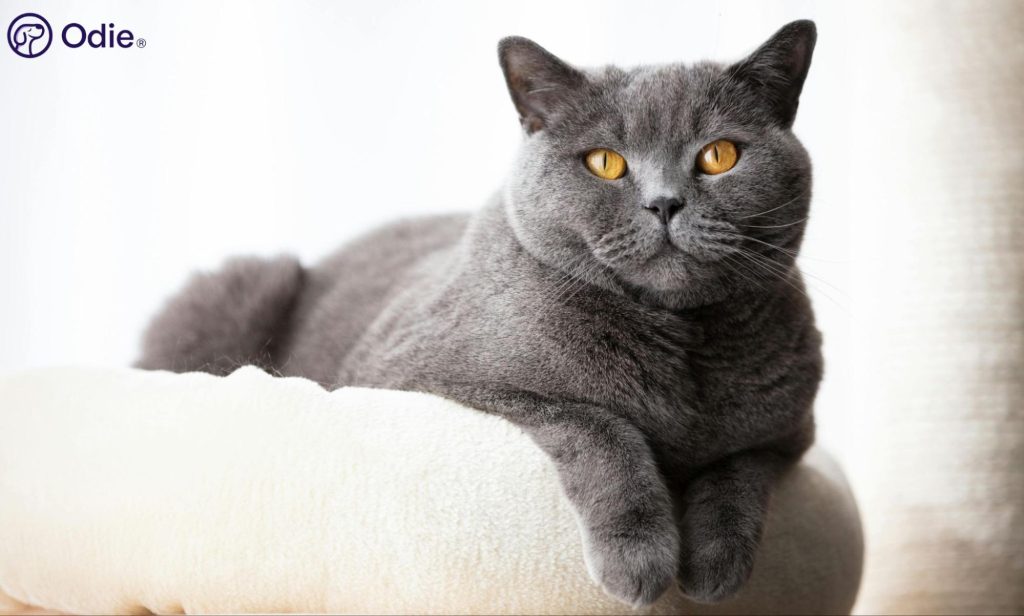
British Shorthairs are a sturdy, compact breed with a calm temperament and a well-established health record. Average lifespans of 12 to 17 years reflect their generally robust constitution. Like many cat breeds, they carry some predisposition to hypertrophic cardiomyopathy and obesity, both of which benefit from regular monitoring and weight management.
The most breed-specific health consideration for British Shorthairs is hemophilia B, a clotting disorder that is detectable through DNA testing. Reputable breeders test for this condition, and confirming a kitten’s hemophilia B status before purchase is a recommended step for prospective owners. British Shorthairs that are confirmed clear of the mutation and maintained at a healthy weight tend to have straightforward, manageable health profiles throughout their lives.
- Average lifespan: 12 to 17 years
- Primary health concerns: HCM; hemophilia B (DNA testable); obesity risk
- Grooming: Low — dense coat benefits from weekly brushing
- Best for: Calm households, owners who prefer an independent but affectionate cat
6. Bengal
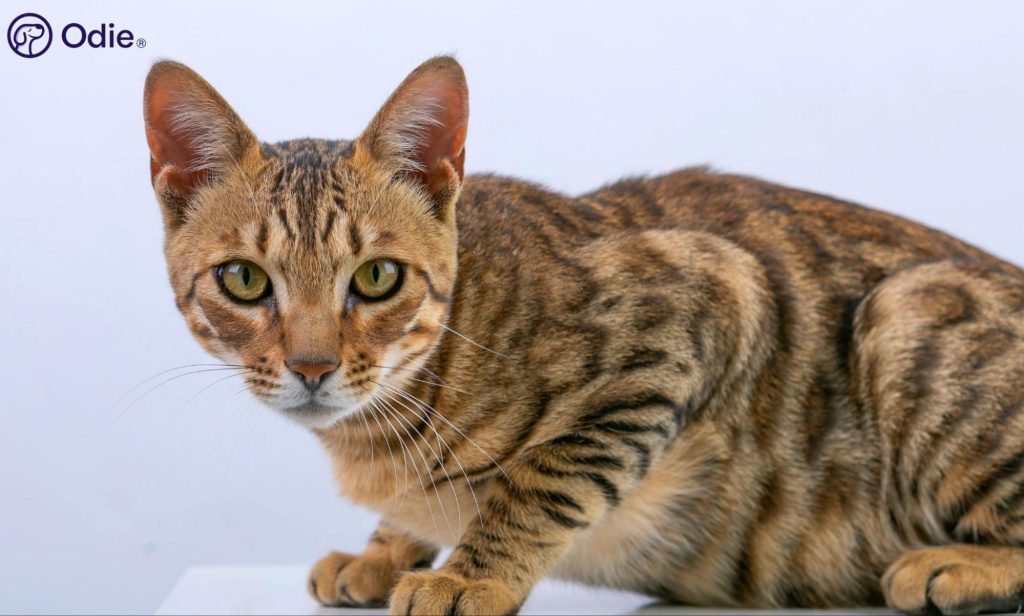
Bengals are a hybrid breed developed from Asian leopard cats and domestic cats, and they inherit the athletic build and high activity level typical of their wild ancestry. Their average lifespan of 12 to 16 years and generally low predisposition to common inherited cat diseases make them one of the healthier purebred options. Their naturally high activity level also means they tend to maintain a healthy weight more readily than lower-energy breeds, provided they receive adequate exercise and enrichment.
Two genetic conditions are documented in Bengals: progressive retinal atrophy (PRA), a hereditary eye condition, and pyruvate kinase deficiency (PK deficiency), a red blood cell disorder. Both are testable through DNA screening, and responsible breeders provide documentation. Bengals require significantly more environmental enrichment and interactive play than most domestic cat breeds. A Bengal that does not receive adequate stimulation may develop stress-related behaviors that affect both quality of life and physical health.
- Average lifespan: 12 to 16 years
- Primary health concerns: PRA eye condition; PK deficiency (both DNA testable)
- Grooming: Minimal — short, close coat requires little maintenance
- Best for: Active owners, households with time for daily interactive play and enrichment
Other Breeds Worth Considering
Several additional breeds have strong health track records and are worth considering depending on a household’s specific circumstances.
Ragamuffin
Ragamuffins are social, affectionate cats with an average lifespan of 13 to 16 years. They are genetically predisposed to heart and kidney conditions in some lines, but responsible breeding practices and regular veterinary screening keep most Ragamuffins healthy and active throughout their lives. Their thick, plush coat requires regular grooming to stay mat-free.
Savannah
Savannah cats are a relatively new breed, officially recognized in 2012, and carry minimal documented breed-specific genetic disorders. Their average lifespan can extend to 20 years in some cases. They are extremely active and require substantial space and stimulation. Their newness as a breed means research into long-term health patterns is still developing.
Egyptian Mau
The Egyptian Mau has no documented breed-specific genetic disorders. Individual health outcomes vary based on diet, environment, and care, but the breed as a whole has a clean genetic health profile and makes a healthy, active companion.
Korat
The Korat is a low-incidence health breed with no major genetic disorders on record. They are a natural breed rather than the product of extreme selective breeding, which contributes to their generally robust constitution. Their one notable health consideration is Gangliosidosis, a neurological storage disorder found in some lines, which is screenable through DNA testing.
What Makes a Cat Breed “Healthy”?
Breed health is a combination of genetic factors and individual care, and the two interact in ways that mean breed alone does not determine how long or well a cat lives. The most useful way to think about breed health is as a set of starting conditions, some of which an owner can influence significantly and some of which they cannot.
Genetic Factors
Breeds developed through natural selection over long periods tend to have fewer concentrated genetic disorders than breeds created through selective breeding for specific physical traits. Extreme physical characteristics, including flat faces in Persian and Exotic Shorthair cats, folded ears in Scottish Folds, and very compact body shapes, often come with structural health consequences that reduce overall health outcomes regardless of how well the cat is cared for. The breeds on this list were selected partly because none carry the most severe structural health liabilities.
What Owners Control
- Diet: A complete, age-appropriate diet maintained at appropriate caloric intake is one of the strongest modifiable influences on a cat’s lifespan and health trajectory.
- Weight management: Obesity in cats is associated with diabetes, joint disease, liver disease, and reduced lifespan. Maintaining cats at a healthy body condition score is one of the highest-impact health choices available to owners.
- Preventive veterinary care: Annual wellness exams allow early detection of the conditions that most commonly affect cats, including dental disease, kidney disease, hyperthyroidism, and heart disease. Catching these conditions in early stages consistently produces better outcomes and lower long-term costs than late diagnosis.
- Indoor vs. outdoor access: Indoor cats live significantly longer, on average, than outdoor or indoor-outdoor cats due to reduced exposure to traffic, predators, infectious diseases, and injuries.
- Enrichment and stress reduction: Chronic stress in cats contributes to lower urinary tract disease, overgrooming, and reduced immune function. Providing a consistent routine, appropriate enrichment, and a stable environment supports both physical and behavioral health.
|
Regardless of breed, every cat benefits from regular veterinary care. Odie Pet Insurance helps cover the cost of illness and injury so unexpected health events don’t force difficult decisions. |
Frequently Asked Questions
What is the healthiest cat breed overall?
No single breed is definitively the healthiest across all measures, but the American Shorthair and Siamese consistently rank at the top when combining lifespan, genetic health profile, and adaptability. Both breeds have well-documented lifespans of 15 to 20 years, carry relatively few severe genetic disorders, and lack the structural traits that create built-in health liabilities in some other breeds. The Russian Blue also ranks highly for having no documented breed-specific genetic disorders beyond bladder stones.
Which cat breed lives the longest?
The American Shorthair and Siamese are among the longest-lived domestic cat breeds, with average lifespans of 15 to 20 years well-supported in veterinary literature. Savannah cats can also reach 20 years in some cases. Individual longevity varies significantly based on diet, veterinary care, weight management, and indoor vs. outdoor lifestyle, so a cat of any breed raised under optimal conditions has the potential to exceed average lifespan figures.
Are mixed-breed cats healthier than purebred cats?
Mixed-breed cats, sometimes called domestic shorthairs or domestic longhairs, generally benefit from greater genetic diversity than purebred cats, which can reduce the concentration of breed-specific genetic disorders. This effect, sometimes called hybrid vigor, tends to produce a more varied genetic profile that is less likely to carry two copies of a recessive disorder-causing gene. That said, mixed-breed cats can still develop all of the common feline health conditions, and their health outcomes are similarly influenced by diet, care, and environment as those of purebred cats.
Do healthier cat breeds cost less in vet bills?
Breeds with fewer documented genetic disorders and longer average lifespans tend to have lower average veterinary costs over their lifetimes, particularly compared with breeds with known structural health issues or high rates of expensive conditions such as hypertrophic cardiomyopathy or polycystic kidney disease. That said, all cats can develop unexpected illness or injury regardless of breed, and no breed is immune to the conditions that generate the highest veterinary costs, including cancer, kidney disease, and dental disease. Pet insurance provides a consistent way to manage those costs regardless of a cat’s breed.
What should I look for when choosing a healthy cat from a breeder?
Responsible breeders screen their breeding cats for known genetic conditions in the breed and make those results available to prospective buyers. For breeds with HCM predisposition, asking for recent echocardiogram results for both parents is a reasonable request. For breeds with DNA-testable conditions, such as British Shorthairs (hemophilia B), Bengals (PRA and PK deficiency), and Ragdolls (HCM gene mutation), asking for DNA test documentation is standard practice. A breeder who cannot or will not provide health screening documentation is a reason to look elsewhere. Adopting from a shelter or rescue is also a strong option, particularly for mixed-breed cats, and many rescues conduct basic health screenings before adoption.
How often should a healthy cat see the vet?
Healthy adult cats between one and seven years of age benefit from annual wellness exams. Kittens require more frequent visits in their first year for vaccinations, spay or neuter, and baseline health establishment. Senior cats, typically those over seven to ten years of age depending on the veterinarian’s classification, benefit from semi-annual exams because health conditions including kidney disease, hyperthyroidism, and heart disease tend to develop more rapidly in older cats and are more effectively managed when caught early. Regardless of age, any change in appetite, litter box behavior, weight, or activity level is a reason to schedule an appointment rather than wait for the next scheduled exam.
Conclusion
Choosing a cat breed with a strong genetic health profile and a long average lifespan is a meaningful starting point, but it is only part of the picture. The breeds on this list, American Shorthair, Russian Blue, Siamese, Ragdoll, British Shorthair, and Bengal, all offer solid foundations for a long and healthy life together. What each of them ultimately reaches depends heavily on the care they receive: the diet, the veterinary attention, the enrichment, and the environment their owner provides.
No breed is without its health considerations, and no amount of good genetics eliminates the possibility of illness or injury. That is true for every cat, regardless of where they came from. Planning ahead with preventive care and pet insurance means that when health events do arise, the response can be prompt and the options remain open.