Maine Coon: One of the Healthiest Cat Breeds
If you are looking to bring home a cat, congratulations! Your new furry friend will bring you endless happiness and companionship. When getting a cat, it’s important to understand the potential health risks associated with each cat breed so you can make an informed decision. While all cats are at risk of illness and/or disease, there are some breeds that are considered “healthier” than others based on genetic predispositions.
Always ask the breeder for information on genetic testing and hereditary health history, as responsible breeders screen for diseases such as PKD (Polycystic Kidney Disease) and HCM (Hypertrophic Cardiomyopathy) to ensure the health of their cats and to give you peace of mind. Mutations in two genes are known to cause hypertrophic cardiomyopathy in Maine Coons, making genetic screening especially important for this beloved breed.
The Maine Coon, for example, is not only known for its robust health and large body size but is also the official state cat of Maine, highlighting its cultural and regional significance. Adult males can weigh up to 25 pounds, while females are typically smaller but still substantial. Distinctive features such as prominent whisker pads and ear tufts contribute to the Maine Coon’s iconic appearance, which makes them instantly recognizable. They also have large, fluffy paws, which help them walk on snow, and some Maine Coons have extra toes, a trait known as polydactyly that’s considered charming.
When considering breeds like the Scottish Fold, we encourage you to pay close attention to body structure and conformation, as these are important in breed standards and health assessments. The development of cartilage and skeletal health, particularly regarding osteochondrodysplasia, is a key concern for this breed that potential owners should understand.
Understanding Healthy Cat Breeds: Making an Informed Choice
When choosing a healthy cat breed, it’s important to look beyond appearance and consider the cat’s overall well-being and genetic background before welcoming it into your home. The Maine Coon cat, for example, is celebrated for its robust health, gentle personality, and striking coat color and pattern variations that make each one unique.
Examples of these beautiful variations include Blue Tabby, which features a pale bluish coat with distinctive tabby markings; red tabby, known for its deep, brilliant red ground color and uniform markings; chocolate, a rich chestnut brown shade often seen in various patterns; pure white, characterized by a pristine, snow-white coat with no markings; and seal point, where the body is pale fawn to cream with deep seal brown points on the mask, ears, legs, and tail.
Known as one of the largest domestic cat breeds, Maine Coons are often recognized for their friendly nature and adaptability, making them a favorite among families with children and other pets. On the other hand, the Scottish Fold cat stands out with its adorable folded ears, giving it a unique look and sweet expression that melts hearts.
However, those charming folded ears can sometimes be linked to specific health concerns, so it’s essential to understand the breed’s needs before making a commitmentIt is also important to recognize clinical signs of conditions like hypertrophic cardiomyopathy, such as shortness of breath, cough, and lethargy, to ensure early diagnosis and treatment that can significantly improve your beloved cat’s quality of life.
Ragamuffin: The Social Butterfly
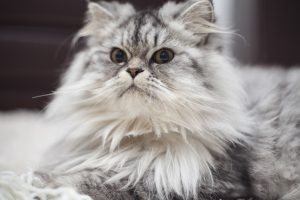
The Ragamuffin breed is known for being very social and eager to interact with people, making them wonderful companions. They are also known for their friendly personalities and thick, luxurious fur that’s soft to the touch. They often have coats that are blue, brown tabby with white, tortoiseshell, and mink in beautiful combinations.
Ragamuffins can also be considered among the healthiest cat breeds, living up to 13 years on average, or longer, with proper care. Although Ragamuffins are genetically predisposed to heart or kidney disease, they live full, healthy lives compared to some other breeds when given appropriate veterinary attention.
Russian Blue: The Hardy Companion
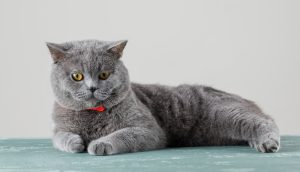
Like all animals, cats are at risk of developing health issues, but Russian Blues tend to have a lower risk of serious medical issues, which gives pet parents peace of mind. This is because they do not carry any common genetic disorders that plague other breeds. The most common health concern regarding Russian Blue cats is bladder stones, which can be managed with a proper diet.
Russian Blues have a life expectancy of over 13 years of age, ultimately guaranteeing a long and happy life with your beloved feline friend.
Savannah: The Exotic Beauty
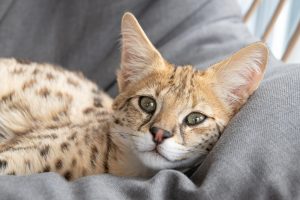
Savannah cats are considered to be a fairly new breed that’s gaining popularity. They descended from African Servals and were officially recognized as a new breed in 2012. They often have coats that are brown, black, or silver with distinctive spotted or marbled patterns.
Overall, the Savannah breed is very healthy and not prone to any dangerous diseases that would shorten their lifespan. Because Savannah cats are still so new, researchers are still learning more about them and their long-term health characteristics.
Bombay: The Miniature Panther
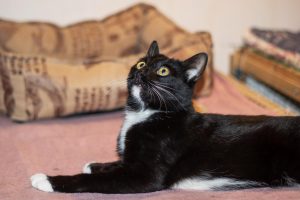
Bombay cats are known for being very muscular and for having a lot of strength and energy that keep them active. They have sleek black coats and either gold or copper eyes, giving them a striking appearance. Bombay cats are prone to hypertrophic cardiomyopathy, the most common form of heart disease in cats that requires monitoring. Despite being prone to heart disease, Bombay cats are typically very healthy and lively, with 10-13-year lifespans when properly cared for.
American Shorthair: The Family Favorite
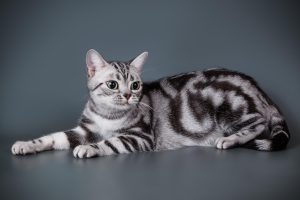
American Shorthair cats are a very popular breed among families that are looking for a loving pet with a gentle temperament. They are very famous for their brown-and-grey tabby coats, but they also come in a variety of other patterns and colors that suit different preferences.
Like most cats, American Shorthairs are prone to hypertrophic cardiomyopathy, which should be monitored. Although American Shorthair cats are prone to heart disease, they are considered a healthy breed with an average life expectancy of 11-13 years with proper veterinary care.
British Shorthair: The Teddy Bear Cat
British Shorthair cats are considered to be a fairly healthy breed overall. While that is the case, they are at risk for hemophilia B, which is why it is highly important to have a DNA test done through your veterinarian. A DNA test will easily detect whether hemophilia B is present, making it a necessary, routine test to have your cat undergo for their safety.
It is also important to keep an eye on your British Shorthair’s weight because this will help them stay happy and healthy throughout their life.
Egyptian Mau: The Spotted Speedster
The term “Egyptian Mau” would suggest that this cat breed is from Egypt, but, surprisingly, it’s not. This breed is an American-developed breed that doesn’t have a predisposition to any ailments, but, of course, individual cases may vary based on diet and other factors. Overall, it would make a great pet because of fewer health issues to worry about.
Havana Brown: The Chocolate Charmer
The Havana Brown makes for another desirable cat breed that’s relatively rare. They are a friendly, healthy breed that makes a wonderful pet with a loving personality. Havana Browns are easy to adapt to, making them a good companion to take along wherever you go, whether moving homes or traveling.This breed loves to spend time with the people it loves, and, above all, it has a genetic predisposition to a long, healthy life that every pet parent desires.
Korat: The Good Luck Cat
The Korat is a gorgeous cat breed known for several positive characteristics that make it special. It looks great with its silver-blue coat, is prone to good health, and doesn’t mind travel!
Turkish Van: The Swimming Cat
The Turkish Van is a breed that is not commonly known but deserves recognition. But it’s one that tends to enjoy ample good health throughout its lifetime. Plus, it’s a beautiful, congenial breed that gets along with almost everybody in the household.
Any family would love to have a pet like this, as they’re very adaptable and happy to live with families in any environment.
Singapura: The Little Lion
The Singapura is a sweet cat breed known for living a long life with proper care. It’s a healthy breed that also likes attention from its favorite humans. They’re independent, but also tend to follow their owner around the house.
Singaporas like to make noise and communicate vocally. If you want a cat that will become part of your life, a Singapura is an engaging companion.
Supporting Your Cat’s Health Throughout Their Life
No matter which breeds of cat you decide to bring home, naturally, you’d want them to enjoy a long life. And while some cats have a predisposition to certain health conditions, a good diet, exercise or active lifestyle, high-quality health care, and environmental factors can also help enhance their physical and mental well-being.
To ensure your cat is well cared for and to increase their longevity, pet parents are encouraged to feed them wholesome, nutritious meals that meet their daily nutritional requirements. In addition, taking them to the veterinarian for regular health checkups, at least annually, is essential, as it can help detect illnesses before they become severe or untreatable.
Plus, it’d be beneficial to keep their weight in check and help them maintain an active lifestyle so they enjoy overall good health. It’s also wise to allow access to the outdoors only when they’re being monitored or supervised to avoid accidents or injuries resulting from fights with other animals or exposure to dangers.
Understanding Hip Dysplasia in Cats
Hip dysplasia is a hereditary condition that affects the hip joint, leading to discomfort and reduced mobility in cats that can impact their quality of life. While not all cats are at risk, certain breeds, such as the Maine Coon, are more susceptible due to their larger size and genetics.
Responsible breeding practices, such as health screening and genetic testing, can help reduce the risk of hip dysplasia in future generations. If you’re considering adoption, reaching out to a Maine Coon rescue or Scottish Fold rescue can connect you with cats that have been evaluated for health issues, giving you confidence in your choice.
Keeping your cat at a healthy weight and scheduling regular veterinary check-ups are key steps in preventing or managing hip dysplasia, helping your cat enjoy an active, pain-free life for years to come.
Nutrition and Feeding: Building Blocks of Health
Proper nutrition is the foundation of a healthy life for your beloved cat. Maine Coon cats and Scottish Fold cats each have unique dietary needs based on their size, activity level, and even their coat color and pattern. Maine Coons, with their larger frames, may require more calories and specific nutrients to support their joints and heart health, while Scottish Fold cats benefit from a balanced diet that helps maintain a healthy weight and supports their overall well-being.
It is important to feed adult cats age-appropriate nutrition to ensure they receive the right balance of nutrients to support their health needs as they mature.
Choosing high-quality cat food and practicing portion control can help prevent health problems, like hypertrophic cardiomyopathy and obesity, that threaten your cat’s longevity. Always consult your veterinarian to create a feeding plan tailored to your cat’s individual needs and lifestyle.
Remember that a healthy diet is one of the best ways to support your cat’s long-term health and happiness. You should also consult your veterinarian about dietary supplements that can benefit your kitty’s health and development.
Grooming and Hygiene: Keeping Your Cat Comfortable
Keeping your cat’s coat and skin healthy is an important part of their overall care and bonding time with you. Maine Coon cats are known for their luxurious, long coats, which require regular brushing to prevent tangles and reduce shedding that can lead to matting.
When brushing, also check and gently clean your cat’s paw pads to keep them healthy and free of debris that could cause discomfort. Scottish Fold cats, while having shorter coats, still benefit from routine grooming to keep their fur soft and clean.
Special attention should be given to the folded ears of Scottish Fold cats, as their unique shape can make them more prone to ear infections that require treatment. Regular ear checks and gentle cleaning can help prevent problems before they start.
Don’t forget about nail trimming and dental care, which are essential for all cats to avoid common health issues like gum disease. By establishing a consistent grooming routine, you’ll help your cat look and feel their best. During grooming, pay attention to the tail to ensure it remains clean and free of tangles or mats.
Fun Activities and Toys: Enriching Your Cat’s Life
Keeping your Maine Coon cat or Scottish Fold cat entertained is just as important as meeting their basic needs for food and shelter. Both Maine Coon cats and Scottish Fold cats are intelligent, curious, and playful, so providing a variety of activities and toys can help them stay happy and healthy throughout their lives.
Engaging your cat in regular play not only supports their physical fitness but also stimulates their mind, helping to prevent boredom and unwanted behaviors like scratching furniture or excessive meowing.
Some favorite activities for Maine Coon cats and Scottish Fold cats include chasing feather toys, which tap into their natural hunting instincts and encourage them to leap and pounce. Laser pointers are another great way to get your cat moving. Just be sure to avoid shining the light directly into their eyes for safety.
Cat trees and climbing structures are especially loved by Maine Coon cats, who enjoy scaling heights and surveying their territory like the majestic creatures they are, while Scottish Fold cats appreciate cozy perches for lounging and observing the world around them.
Interactive puzzle toys are perfect for keeping your cat’s mind sharp, challenging them to solve problems in exchange for treats and rewards. Tunnels and tents offer a fun space for hide-and-seek games that satisfy their curiosity, and scratching posts help satisfy your cat’s urge to scratch while protecting your furniture from damage.
Many cats, including Maine Coon cats and Scottish Fold cats, go wild for catnip toys, which can provide hours of entertainment and relaxation. Food puzzle toys are a clever way to slow down mealtime and provide mental stimulation for food-motivated cats, while window perches let your cat watch the world go by—a favorite pastime for many felines.
Sensory toys with different textures, such as crinkly balls or plush mice, can also keep your cat engaged and curious about its environment. To keep things fresh and exciting, rotate your cat’s toys regularly and try introducing new ones from time to time.
Even simple household items like cardboard boxes or paper bags can become exciting playgrounds for your Maine Coon cat or Scottish Fold cat. With a little creativity and attention to your cat’s preferences, you can create a stimulating environment that supports your cat’s wellbeing and strengthens your bond.
Behavior and Training: Understanding Your Feline Friend
Understanding your cat’s behavior and personality is key to building a strong and happy relationship with your beloved companion. Maine Coon cats are famous for their friendly, outgoing nature and often enjoy interacting with people and other pets, making them wonderful family cats.
Scottish Fold cats, on the other hand, are typically more laid back and affectionate, making them wonderful companions for quieter households or apartment living. Training your cat, whether it’s using the litter box or learning not to scratch furniture, can be a rewarding experience for both of you when approached with patience.
Socialization and a positive environment are important for helping your cat feel secure and confident in their home. With patience and consistency, you can nurture your cat’s unique personality and help them thrive as a beloved member of your family for many years to come.
Do you have a pet cat? Here is a simple guide to know how often you should bring your cat to the vet for optimal health.