Cancer Treatment for Older Dogs: How Pet Parents Think Through the Trade-Offs
A cancer diagnosis in an older dog can, unfortunately, be difficult. You want to do right by your dog, but the path forward isn’t always obvious. Treatment can be meaningful and effective, but it also involves real costs, time, and trade-offs that deserve honest consideration.
In This Article
- What a Cancer Diagnosis Actually Means for an Older Dog
- The Treatment Spectrum: From Curative to Comfort-Focused
- How Age and Overall Health Factor Into the Decision
- What Chemotherapy Actually Looks Like for Dogs
- Weighing Quality of Life Against Length of Life
- How Much Does It Cost to Treat Cancer in Older Dogs?
- How Can Pet Insurance Help You if Your Dog Needs Treatment
- The Bottom Line
What a Cancer Diagnosis Actually Means for an Older Dog
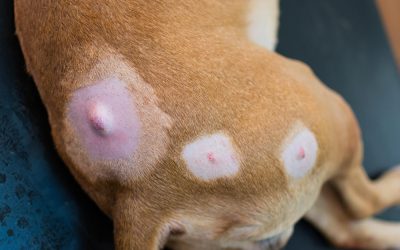
Cancer is not a single disease. It’s a broad category that includes dozens of conditions with very different behaviors, growth rates, and treatment responses. Some cancers in dogs are slow-growing and manageable for years. Others are more aggressive and require faster decisions. The type of cancer matters enormously.
Common cancers in older dogs include mast cell tumors, lymphoma, osteosarcoma, hemangiosarcoma, and soft-tissue sarcomas. Each of these has its own typical progression, response to treatment, and expected outcome. A diagnosis of mast cell tumor, for example, carries a very different prognosis than a diagnosis of hemangiosarcoma.
The stage of the cancer also shapes the picture. Early-stage cancers that haven’t spread to other organs are generally more treatable. Advanced or metastatic cancers may shift the conversation toward comfort and quality of life rather than cure. Your vet or a veterinary oncologist will help you understand where your dog’s case sits on that spectrum.
The Treatment Spectrum
Cancer treatment does not need to be binary. You’re not choosing between “fight everything” and “give up.” There’s a real range of options, and where you land depends on your dog’s diagnosis, their baseline health, and what you want their remaining time to look like.
Treatment approaches include:
- Curative intent: Surgery, chemotherapy, radiation, or a combination aimed at eliminating the cancer or achieving long-term remission.
- Life extension: Treatment that is not expected to cure but may slow progression and add good-quality time.
- Palliative care: Treatment focused on managing symptoms, pain, discomfort, and inflammation, rather than targeting the cancer directly.
- Hospice care: Supportive care at home focused on comfort and quality of life as the dog declines naturally.
Most families find themselves somewhere in the middle of this spectrum. A veterinary oncologist can help you understand which approaches are realistic for your dog’s specific cancer and what each one typically involves in terms of visits, side effects, and outcomes.
How Age and Overall Health Factor Into the Decision
Age alone is not a reliable guide to what’s appropriate for your dog. A healthy ten-year-old Labrador with good organ function may tolerate chemotherapy better than a younger dog with concurrent health problems. What matters more is your dog’s overall physical condition, sometimes called their “performance status” in clinical settings.
Pre-treatment diagnostics typically include bloodwork, urinalysis, and sometimes imaging to assess organ function. If the kidneys, liver, or heart are significantly compromised, certain treatments may not be safe or effective. This information helps your vet team recommend options that are realistic for your specific dog rather than a theoretical average.
Concurrent conditions also play a role. A dog managing arthritis, diabetes, or kidney disease alongside cancer is dealing with a more complex picture. That doesn’t rule out treatment, but it does shape which options are on the table and what a good outcome looks like.
What Chemotherapy Actually Looks Like for Dogs
Many people assume chemotherapy in dogs mirrors the experience in humans. The protocols are actually quite different. Veterinary oncologists typically use lower doses to maintain quality of life rather than push the body to its limits. Most dogs tolerate chemotherapy better than most people expect.
Side effects do occur, but they’re usually manageable. Mild nausea, reduced appetite, and temporary fatigue are the most common. Severe side effects happen in a minority of cases and are usually addressed quickly when caught early. Most dogs continue to eat, play, and behave relatively normally during treatment.
Treatment schedules vary by protocol. Some chemotherapy regimens involve weekly clinic visits for a defined course of treatment. Others are given every few weeks. Oral chemotherapy medications are also available for some cancers and can be given at home, which reduces the stress of frequent travel for dogs who find clinic visits difficult.

Weighing Quality of Life Against Length of Life
This is often the core question families wrestle with, and there isn’t a universal right answer. Some people prioritize giving their dog the best possible chance at more time, even if treatment involves some discomfort. Others prioritize keeping their dog comfortable and present with minimal intervention for whatever time remains.
Both of these are reasonable positions, and most people find themselves somewhere between them. It helps to think about what a good day looks like for your dog right now. What do you most want them to be able to do? What level of clinic visits and recovery time is manageable for your household?
Veterinary oncologists are accustomed to these conversations. They’re not there to push you toward the most aggressive option; they’re there to help you understand what each path actually involves and what realistic outcomes look like. Asking directly about what “good” looks like for your dog’s specific cancer type is one of the most useful questions you can bring to that appointment.
How Much Does It Cost to Treat Cancer in Older Dogs?
Typical cost ranges:
- Initial diagnostics: $500–$1,500 (bloodwork, X-rays, ultrasound, biopsy)
- Surgery: $1,500–$5,000+ depending on complexity and location
- Chemotherapy: $3,000–$8,000 for a full protocol (usually 3–6 months of treatment)
- Radiation therapy: $5,000–$10,000+ (requires specialized facility and multiple sessions)
- Palliative care: $50–$300 per month (pain medication, supportive care, follow-up exams)
These ranges vary based on your location, the specific cancer, your dog’s size, and whether complications arise. A simple tumor removal might stay at the lower end. Aggressive lymphoma treatment with chemotherapy could reach $10,000 or more.
VCA Hospitals notes in their cancer treatment overview that costs compound differently in older dogs for several reasons. They’re more likely to develop complications requiring additional treatment. Pre-existing conditions might need management alongside cancer care.
How Can Pet Insurance Help You if Your Dog Needs Treatment?
Pet insurance can be a valuable tool in managing the costs of treating a dog’s veterinary expenses. By having a pet insurance policy in place, you can have peace of mind knowing that you can provide medical care for your furry companion without worrying about the financial burden. Pet insurance can help cover the costs of veterinary consultations, diagnostic tests, medications, and even specialized treatments if required.
Reimbursement
This method is the most common for pet insurance companies. You pay out of pocket for the veterinarian bill, and then the insurance company reimburses you for what’s covered under the insurance plan. The steps look like this.
- You pay the vet bill after your dog’s visit.
- You fill out the pet insurance claim form.
- Submit the claim form and other required documentation to the insurer.
- After the claim is approved, you will be reimbursed for eligible expenses.
What Does Odie Pet Insurance Cover?
Pet insurance covers various veterinary expenses, providing financial protection and peace of mind for pet owners. Here are the details of the coverage options offered by Odie Pet Insurance:
Illness & Injury Plan
The Illness & Injury Plan is an all-inclusive insurance plan designed to cover a wide range of medical needs for your pet. This plan includes comprehensive coverage for various illnesses, injuries, and veterinary services. Some of the covered items include:
- Veterinary exams and consultations
- Diagnostics (e.g., X-rays, lab tests)
- Prescribed medications
- Surgeries and hospitalization
- Rehabilitation, acupuncture, or chiropractic treatments
- Medically necessary supplies
The Wellness Plan
The Wellness Plan is a monthly membership that focuses on preventive care and covers routine veterinary services.
- Provides reimbursements for routine care items such as wellness visits (exams and vaccines), testing and parasite prevention, dental cleanings and at-home dental care, vitamins, supplements, and more.
- Through Odie’s partnership with Petivity, a leader in smart pet products and proactive care, Wellness Plan members can also receive reimbursements for Petivity devices and health kits, as well as eligible Purina food and supplements.
- Total reimbursement up to $700 per year.
The Bottom Line
A cancer diagnosis involves medical decisions, financial decisions, and deeply personal ones about what you want for your dog and your family. There is no single right answer that applies to every situation.
What helps most people is getting specific information about their dog’s actual diagnosis, understanding what each path realistically involves, and thinking clearly about what a good quality of life means for their particular dog. With that foundation, you can make a decision you feel genuinely at peace with, whatever that decision turns out to be.