Why Does Your Dog Sleep Under the Covers?
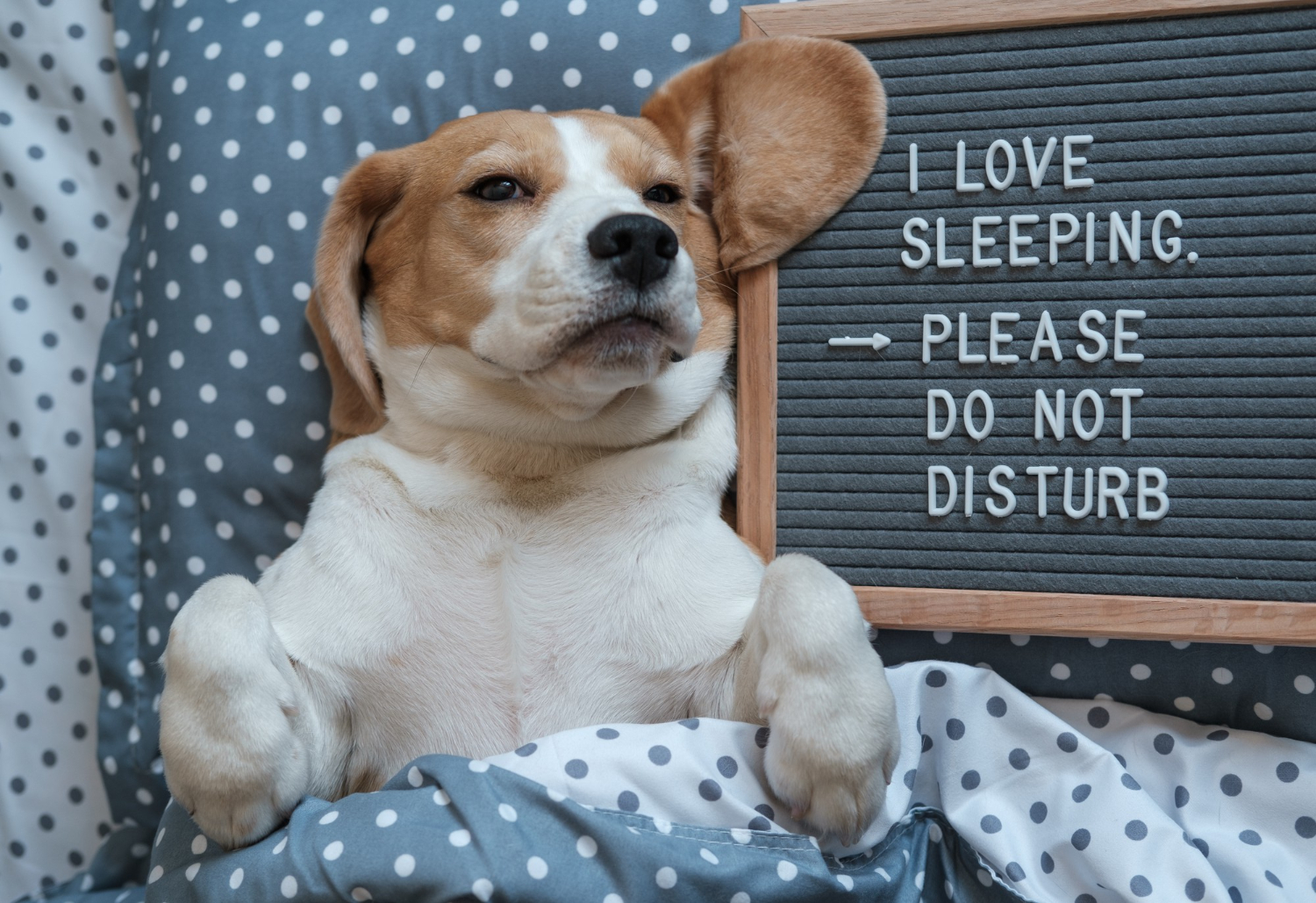
The short answer: Dogs sleep under the covers because it helps them feel warm, safe, and close to their owners. The behavior is rooted in natural denning instincts, emotional bonding, and comfort-seeking. For most healthy adult dogs it is harmless. Dogs with breathing problems, a tendency to overheat, or anxiety that extends beyond sleep may need a safer alternative such as a cave-style bed or lightweight blanket.
Key Takeaways
- Sleeping under the covers is a normal behavior for most dogs and reflects denning instincts, a drive for warmth, and attachment to their owner.
- The behavior is generally safe for healthy adult dogs as long as the bedding is lightweight and the dog can exit freely.
- Flat-faced breeds, puppies, very small dogs, and dogs prone to overheating need closer monitoring or a safer sleep alternative.
- Under-cover sleeping combined with other signs such as panting, clingy behavior during the day, or destructive behavior when left alone can indicate anxiety worth addressing.
- Cave-style beds and lightweight blankets provide the same sense of security without the overheating or breathing risks of full submersion under heavy covers.
In This Article
- Why Dogs Sleep Under the Covers
- Is It Safe for Dogs to Sleep Under the Covers?
- Which Dogs Need Extra Caution
- Can Sleeping Under Covers Be a Sign of Anxiety?
- How to Create a Safe Sleep Environment for Your Dog
- Frequently Asked Questions
Why Dogs Sleep Under the Covers

Dogs are descended from den-dwelling animals, and the instinct to seek enclosed, covered spaces for rest is deeply embedded in canine behavior. A spot under the covers replicates what a den provides: warmth, reduced sensory input from the surrounding environment, and a sense of physical enclosure that many dogs find genuinely calming. This is not learned behavior but an expression of something most dogs carry naturally.
Warmth is the most straightforward driver. Dogs lose body heat through their skin, and a smaller or shorter-coated dog in a cool room will seek out warmth the way any warm-blooded animal would. The space under a blanket traps body heat efficiently, and a dog that gravitates there is simply finding the warmest available spot. This is particularly common in breeds with low body fat, short coats, or small body size, such as Chihuahuas, Greyhounds, Whippets, and Italian Greyhounds.
The proximity to an owner adds another layer. Dogs are social animals with a strong attachment drive toward their primary caregivers, and sleeping close to or against a person is a normal expression of that bond. The scent of the owner, the warmth of the body, and the physical closeness of being under the same blanket all contribute to why the behavior tends to become habitual once a dog discovers it is permitted. It is, from the dog’s perspective, the best available sleeping spot in the household.
Breed and Individual Temperament
Some breeds are more prone to cover-seeking than others. Small breeds and those with low cold tolerance, including Dachshunds, Shih Tzus, Maltese, and toy breeds generally, are among the most likely to burrow under blankets. Certain breeds were developed specifically for going underground, including Dachshunds and terrier varieties, and their drive to burrow is especially strong. Individual temperament also plays a role independent of breed: a dog that is generally more attachment-oriented and comfort-seeking will seek out covered sleeping spots more consistently than a dog with a more independent baseline.
Is It Safe for Dogs to Sleep Under the Covers?
For most healthy adult dogs, sleeping under the covers is safe. A dog that can move freely, exit the covers on their own when warm, and is in good respiratory health is not at meaningful risk from occasional or regular cover-sleeping. Dogs are generally good at self-regulating temperature and will emerge from under a blanket when they become too warm without needing owner intervention.
The risks that do exist are specific to certain dogs and certain bedding situations rather than universal. Heavy, tightly tucked bedding that limits a dog’s movement, covers that fully enclose a dog without room to reposition, and sleeping arrangements where a dog could be rolled onto or trapped by a person shifting during sleep are the scenarios most worth thinking through. For dogs without any of the specific risk factors below, a lightweight blanket with open edges is a low-risk sleep setup.
| Generally Safe | Worth Monitoring or Adjusting |
| Healthy adult dog with no breathing issues | Flat-faced breeds (Bulldogs, Pugs, French Bulldogs) |
| Dog sleeps near the edge of covers, not fully enclosed | Dog buries completely and stays there for long periods |
| Lightweight blanket with room to exit freely | Heavy or tucked-in bedding that limits movement |
| Cool or temperate room temperature | Warm room or dog prone to overheating |
| Dog exits on their own when warm enough | Puppies, very small dogs, or dogs with mobility issues |
| Calm behavior before and during sleep | Under-cover sleeping paired with other anxiety signs |
Signs of Overheating to Watch For
A dog that is too warm under covers will typically exit on their own, but owners sharing a bed with a dog should be aware of the signs that a dog is too hot and may not have shifted position. These include panting while under the covers, restlessness or repeated repositioning during the night, waking with a warm, flushed ear flap or belly, and seeking cold surfaces such as tile or hardwood immediately after emerging from bed. If these signs appear regularly, a lighter blanket, a cooler room temperature, or a cave-style bed that provides enclosure without the same heat retention is a practical adjustment.
Which Dogs Need Extra Caution
Flat-Faced Breeds
Brachycephalic dogs, including Bulldogs, French Bulldogs, Pugs, Boston Terriers, and Shih Tzus, have narrowed airways that make breathing less efficient than in longer-nosed breeds. Heavy or fully enclosing covers reduce airflow in the immediate sleeping environment, which adds a low-level respiratory load to animals that are already working harder than average to breathe. These breeds are not categorically unable to sleep under covers, but lighter blankets, loose edges, and a cool room temperature reduce any added strain. Owners of flat-faced breeds who notice snoring, open-mouth breathing during sleep, or labored breathing at rest should raise it with their veterinarian regardless of sleeping arrangements, as these can indicate airway conditions that benefit from evaluation.
Breathing changes in dogs are worth tracking. See Dog Overheating: Symptoms, Dangers & Treatment for related signs of respiratory distress and heat-related emergencies.
Puppies and Very Small Dogs
Very young puppies and very small dogs carry higher risk in shared sleeping environments because they are harder for a sleeping person to detect through movement. A puppy under heavy bedding in a bed shared with an adult person can be inadvertently rolled onto during the night. For puppies, a secure crate or a cave-style bed of their own in the same room provides the same sense of enclosed security without this risk. Once a dog has reached adult size and the owner has established reliable awareness of the dog’s position during sleep, shared cover-sleeping becomes a lower-risk arrangement.
Dogs Prone to Overheating
Some dogs overheat more readily than others regardless of breed. Obese dogs, dogs with thick double coats, and dogs with known cardiac or respiratory conditions generate and retain more heat during sleep. These dogs may still seek out covered sleeping spots due to denning instinct, but the practical risk of overheating under heavy covers is higher for them than for a lean, short-coated dog. A cave-style bed provides the enclosed, enclosed-feeling sleep environment these dogs are often seeking without the same thermal risk.
Can Sleeping Under Covers Be a Sign of Anxiety?
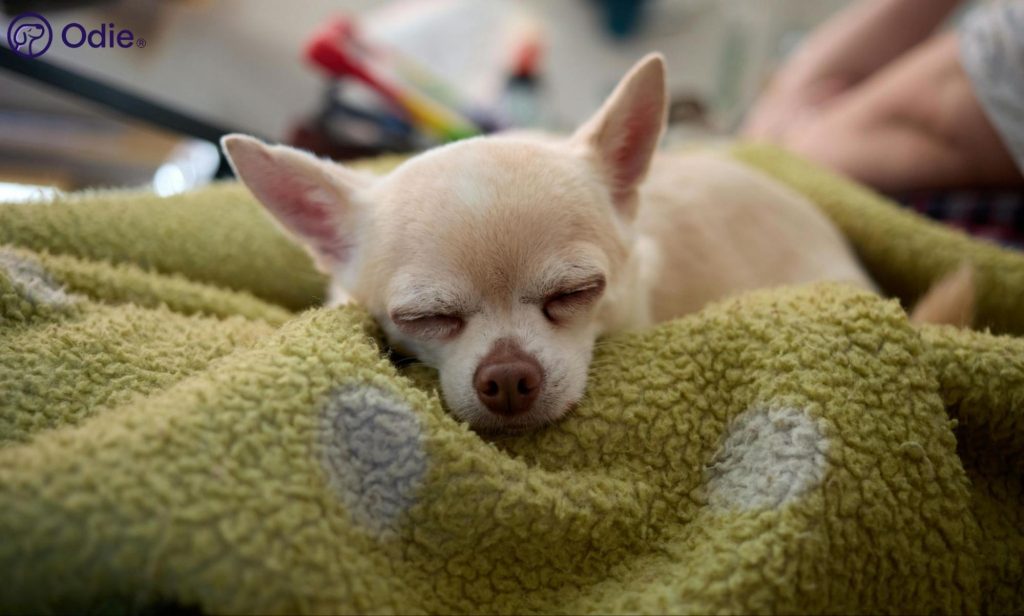
Under-cover sleeping is not inherently a sign of anxiety. Most dogs that burrow under blankets are doing so because it is comfortable, warm, and close to their owner, not because they are distressed. The behavior becomes worth examining more closely when it appears alongside other signs that suggest the dog is not simply seeking comfort but is managing an elevated anxiety baseline.
When to Look More Closely
A dog that seeks covered sleeping as part of a broader pattern of anxiety-related behavior is worth paying attention to. The under-cover behavior alone is not the signal; the combination with other signs is what indicates something worth addressing.
- Excessive clinginess during waking hours, including following the owner from room to room and being unable to settle independently
- Panting, pacing, or vocalizing when separated from the owner, including during nighttime if the dog cannot access the bed
- Destructive behavior when left alone
- Reluctance to enter or exit the covered sleeping space, or appearing distressed rather than relaxed when under covers
- Changes in under-cover behavior that correspond with a stressful life event such as a move, a new pet, or changes in the household routine
When under-cover sleeping is one expression of a generally anxious dog, the most useful response is to address the anxiety itself rather than only the sleeping behavior. A veterinarian can assess whether the anxiety level warrants behavioral support, environmental management, or in some cases medication. Covering the sleeping arrangement without addressing the underlying anxiety rarely resolves the behavior and may reduce an outlet the dog has found useful for self-regulation.
For related behavioral signs, see Why Is My Dog Licking His Paws: Causes and Treatment, which covers another common anxiety-linked behavior in dogs.
How to Create a Safe Sleep Environment for Your Dog
If a dog enjoys sleeping under covers and does not fall into any of the higher-risk categories above, accommodating the behavior with a few practical adjustments is a reasonable approach. If a dog is in a higher-risk category, there are alternatives that provide the same sense of security with fewer potential downsides.
Making Shared Cover-Sleeping Safer
- Use a lightweight blanket rather than heavy bedding. A thin fleece or cotton blanket traps less heat and allows more airflow than a heavy duvet.
- Leave the edges loose rather than tucking in the blanket, so the dog can exit easily at any point during the night.
- Keep the room at a cool, comfortable temperature. A dog under covers in a warm room is at higher overheating risk than a dog under covers in a cool room.
- Confirm the dog can and does self-regulate by emerging when warm. A dog that never comes out from under covers despite warm conditions may need an alternative arrangement.
- For dogs sharing a bed with a person, be aware of the dog’s position when shifting during sleep, particularly for small dogs.
Cave-Style Beds: The Best Alternative
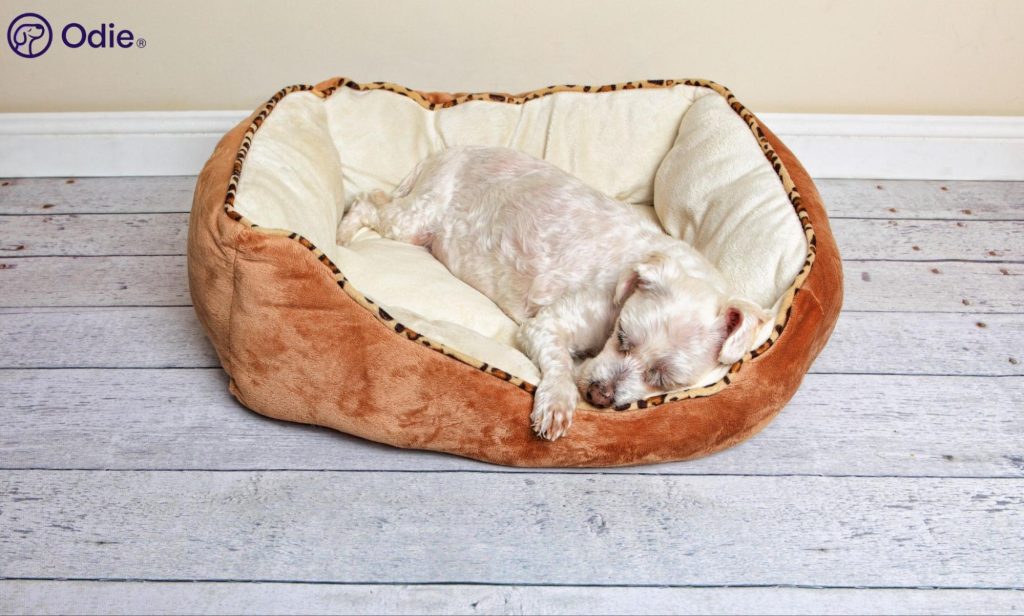
A cave-style pet bed, sometimes called a hooded or burrow bed, provides an enclosed sleeping space that replicates the denning experience without the risks associated with heavy human bedding. These beds have a roof of soft material that the dog can push under, creating an enclosed pocket that stays warm without fully sealing the dog inside. They are available in sizes appropriate for dogs from small to large and are a practical solution for dogs in the higher-risk categories who still strongly seek enclosed sleeping.
- Look for beds with a loose, flexible hood rather than a rigid enclosed structure, so the dog can easily push in and out.
- Choose a bed sized appropriately for the dog: a dog should be able to turn around and reposition inside the hood without significant resistance.
- Place the cave bed in the bedroom if proximity to the owner is part of what the dog is seeking, since the scent and sound of the owner nearby addresses the bonding dimension of the behavior.
When to Discourage the Behavior
There is no universal reason to discourage under-cover sleeping in a healthy dog that handles it well. If the behavior is working for both dog and owner, changing it serves no purpose. The situations where discouraging it is worth considering are those where the dog falls into a higher-risk category and is showing signs of heat stress or breathing difficulty, where the shared sleeping arrangement is genuinely disrupting the owner’s sleep, or where the behavior appears to be driven by anxiety that would benefit from a broader management approach rather than accommodation.
| Unexpected vet visits can follow any behavioral or health change. Odie pet insurance helps cover those costs so you can get answers without hesitation. |
Frequently Asked Questions
Why does my dog sleep under the covers every night?
A dog that seeks out under-cover sleeping consistently is responding to a combination of warmth, security, and closeness to you. Once the behavior is established and permitted, it becomes part of the dog’s routine and is reinforced each night by the comfort it provides. There is no behavioral problem implied by a consistent preference for under-cover sleeping in a dog that is otherwise healthy and calm.
Is it bad for dogs to sleep under the covers?
For most healthy adult dogs, no. The behavior is safe as long as the bedding is lightweight, the dog can exit freely, and the dog is not a flat-faced breed, a puppy, or prone to overheating. Dogs self-regulate temperature effectively and will come out from under covers when warm enough. Owners with flat-faced breeds or dogs with known respiratory or cardiac conditions should use lighter bedding and monitor for any signs of breathing difficulty during or after sleep.
My dog only started sleeping under the covers recently. Should I be concerned?
A new preference for under-cover sleeping is worth noting but is not automatically cause for concern. If the change coincides with cooler seasonal temperatures, it likely reflects simple thermoregulation. If it coincides with a change in the household, a stressful event, or is accompanied by other new behaviors such as increased clinginess, panting, or reduced appetite, it may reflect an anxiety response worth discussing with a veterinarian. Sudden behavioral changes in older dogs in particular are worth a veterinary mention, since they can occasionally reflect a health change rather than a behavioral one.
Can my dog suffocate under the covers?
The risk of suffocation in a healthy adult dog under standard household bedding is low. Dogs can detect changes in air quality and will move to reposition or exit when oxygen in an enclosed space drops. The more relevant concern for healthy dogs is overheating rather than oxygen deprivation. The exception is very young puppies, who lack the motor control and awareness to reposition effectively. Puppies should not sleep under heavy bedding shared with adults until they are older and more physically capable.
What breed of dog is most likely to sleep under the covers?
Small breeds and those with low cold tolerance are the most consistent under-cover sleepers. Dachshunds have one of the strongest burrowing drives of any breed due to their working history as tunnel hunters. Chihuahuas, Italian Greyhounds, Whippets, Maltese, and most toy breeds seek warmth and enclosed spaces readily. Terrier breeds also tend toward burrowing behavior. That said, individual temperament varies, and dogs of any breed may seek out covered sleeping if they are comfort-oriented and the behavior is permitted.
For more on dog behavior and what it can signal, see Why Does Your Dog Chase Their Tail.
Conclusion
Dogs sleep under the covers because it is warm, enclosed, and close to you, three things that address their instinctive need for a safe resting place. The behavior is a normal expression of denning instinct and social bonding, and for most healthy dogs it requires no intervention. The situations worth adjusting for are specific: flat-faced breeds in heavy bedding, puppies in shared adult beds, and dogs showing signs that the behavior reflects anxiety rather than simple comfort-seeking.
A cave-style bed offers the best of both options for dogs that need an alternative, providing the enclosed, warm sleeping experience without the associated risks of heavy human bedding. For dogs that share covers with their owner comfortably and without issue, the behavior is exactly what it looks like: a dog that has found the best spot in the house and settled in.