Which Essential Oils Are Safe For Dogs, And Which Are Toxic?
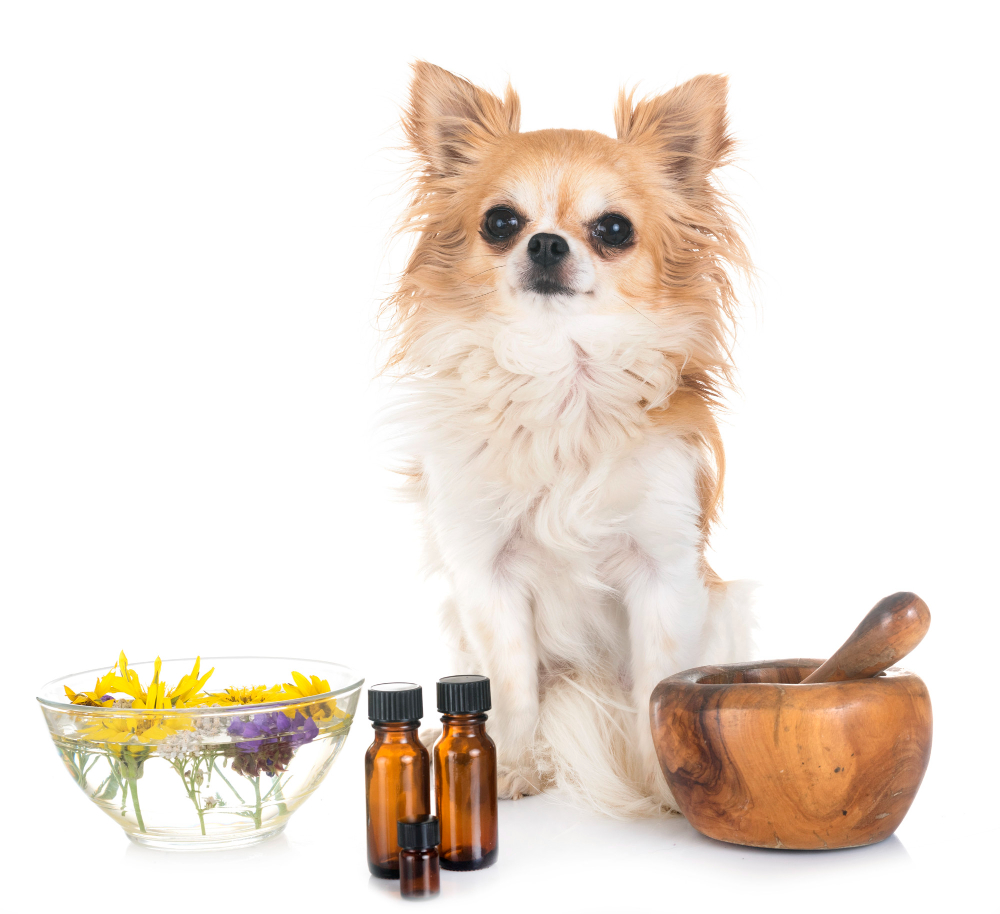
The short answer: Most essential oils are not safe for dogs. A small number, including lavender and Roman chamomile, are generally considered lower-risk when properly diluted and used only with veterinary guidance. Many commonly used oils, including tea tree, peppermint, citrus, cinnamon, eucalyptus, clove, pine, and pennyroyal, are toxic to dogs through skin contact, ingestion, or inhalation. When in doubt, keep all essential oils out of reach and away from areas where dogs sleep, eat, or spend significant time.
Key Takeaways
- Most essential oils pose some risk to dogs. Only a few are considered lower-risk, and none should be used without veterinary guidance.
- Tea tree oil (melaleuca) is among the most dangerous for dogs and has caused severe toxicity at very small doses. It should never be used on or around dogs.
- Exposure can happen through skin contact, ingestion, and inhalation. Diffusers in enclosed spaces are a common and underestimated source of exposure.
- Symptoms of essential oil toxicity include drooling, vomiting, weakness, tremors, difficulty breathing, and loss of coordination.
- If a dog is exposed to a toxic essential oil, contact the ASPCA Animal Poison Control Center (888-426-4435) or a veterinarian immediately. Do not wait for symptoms to worsen.
- Puppies, senior dogs, dogs with liver disease, and small breeds are at higher risk of toxicity from essential oil exposure than healthy adult dogs.
In This Article
- What Essential Oils Are Bad for Dogs?
- Essential Oils Considered Lower Risk for Dogs
- Essential Oil Poisoning in Dogs: Symptoms and Warning Signs
- What Happens If a Dog Licks Essential Oils?
- Are Essential Oil Diffusers Safe for Dogs and Puppies?
- How Veterinarians Treat Essential Oil Toxicity in Dogs
- When to Contact a Veterinarian Immediately
- Frequently Asked Questions
What Essential Oils Are Bad for Dogs?
The list of essential oils that are toxic to dogs is longer than most owners realize. Many oils used regularly in human aromatherapy, skincare, and household products can cause serious harm to dogs through even limited exposure. The table below covers the most commonly encountered oils and their risk status, with the safer options listed first followed by the toxic ones.
| Essential Oil | Status | Notes for Dog Owners | Risk |
| Lavender | Use with caution | Most commonly cited as safer; always dilute and use only with vet guidance; never apply directly to skin or near face | Low–Mod |
| Chamomile (Roman) | Use with caution | Generally considered lower risk; some dogs are sensitive; avoid if dog shows any reaction | Low–Mod |
| Frankincense | Use with caution | Limited evidence of toxicity in dogs; use only diluted and diffused briefly; not for ingestion or direct skin contact | Low–Mod |
| Tea tree (Melaleuca) | TOXIC | Highly toxic even in small amounts; causes vomiting, tremors, weakness, and paralysis; never use on or around dogs | Very High |
| Peppermint | TOXIC | Causes breathing problems, skin irritation, GI upset; very small dogs and puppies are especially vulnerable | High |
| Citrus (lemon, orange, lime, grapefruit) | TOXIC | Limonene and linalool are toxic to dogs; causes vomiting, drooling, weakness; avoid all citrus oils | High |
| Cinnamon | TOXIC | Causes skin irritation, oral sores, vomiting, diarrhea, low blood sugar; toxic via skin contact and ingestion | High |
| Pine and fir | TOXIC | Causes liver damage, kidney damage, CNS depression; found in many household cleaners; avoid exposure entirely | High |
| Eucalyptus | TOXIC | Contains 1,8-cineole, which is toxic to dogs; causes drooling, vomiting, seizures; do not diffuse around dogs | High |
| Clove | TOXIC | Eugenol in clove oil is highly toxic; causes liver toxicity, vomiting, and CNS depression in dogs | Very High |
| Ylang ylang | TOXIC | Can cause vomiting, breathing difficulty, and weakness; not safe for use around dogs | High |
| Pennyroyal | TOXIC | Historically used as a flea repellent but causes severe liver damage in dogs; never use | Very High |
A note on the “use with caution” classification: the oils listed as lower-risk are not confirmed safe for dogs. They are simply associated with fewer documented severe toxicity cases than the oils listed as toxic. Any essential oil used around a dog should be used only after consulting a veterinarian, and the safest approach for most households with dogs is to avoid topical application of essential oils entirely and to use diffusers only in well-ventilated spaces where the dog can freely leave.
Essential Oils Considered Lower Risk for Dogs
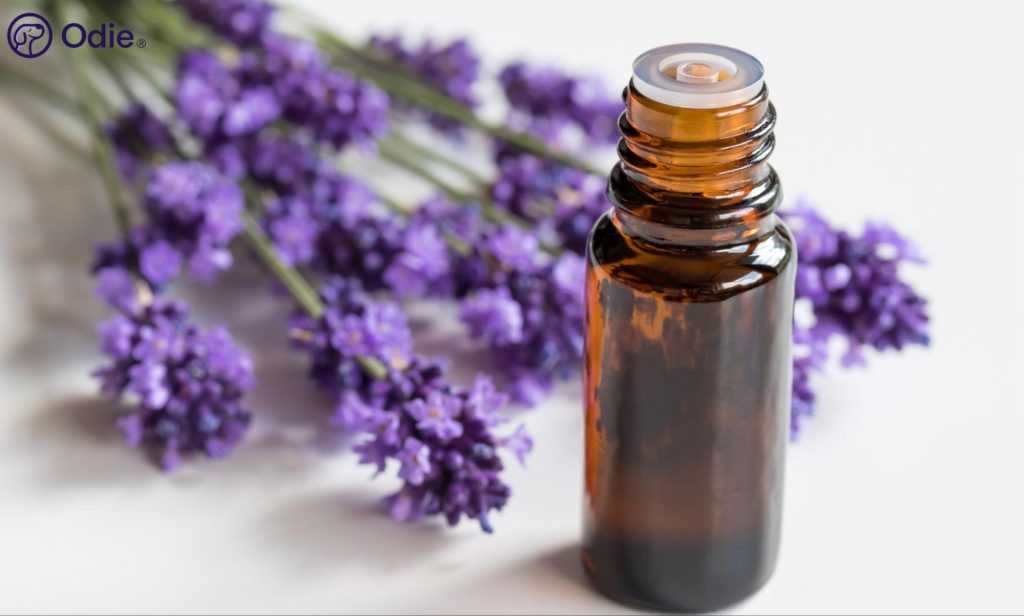
No essential oil is universally confirmed as safe for dogs by veterinary toxicologists. The oils below are those most commonly associated with lower-risk use in veterinary references, but lower risk does not mean risk-free. Each should be used only with veterinary guidance, properly diluted, and in a well-ventilated space where the dog can leave.
Lavender
Lavender is the most frequently cited essential oil as a lower-risk option for dogs. Some veterinary references suggest that properly diluted lavender oil may have a mild calming effect in dogs. The key qualifiers are properly diluted, meaning at a concentration far below what would be used for humans, and not applied directly to the skin, especially near the face, nose, or genitals. Undiluted lavender oil and lavender products not formulated specifically for veterinary use should not be applied to dogs.
Roman Chamomile
Roman chamomile is another oil with a lower profile of documented toxicity in dogs compared to the oils on the toxic list. Some veterinary aromatherapy practitioners use it in diluted form for calming purposes. German chamomile is sometimes listed separately and should not be assumed equivalent in safety profile. As with lavender, direct application to the skin is not recommended, and any use should be discussed with a veterinarian first.
Frankincense
Frankincense has limited documentation of acute toxicity in dogs at low exposure levels and is occasionally referenced in holistic veterinary contexts. It carries a higher uncertainty level than lavender or chamomile, and there is insufficient evidence to confirm it as safe for regular use around dogs. Any use should be heavily diluted, brief, and in a well-ventilated area.
Essential Oil Poisoning in Dogs: Symptoms and Warning Signs
Essential oil toxicity in dogs can occur rapidly, particularly with high-concentration oils like tea tree or when a small dog is exposed to a relatively large amount. The severity of symptoms depends on the specific oil, the route of exposure, the amount, and the dog’s individual size and health status. Smaller dogs, puppies, and dogs with liver conditions are at higher risk because their bodies process these compounds less efficiently.
Most cases of essential oil toxicity in dogs are manageable when identified and treated early. Here is how to recognize the signs.
Call your vet promptly if your dog shows:
- Drooling more than usual after contact with or near an essential oil product
- Vomiting or retching following known or suspected exposure
- Pawing at the face or rubbing the muzzle on surfaces, which may indicate skin or nasal irritation
- Lethargy or sudden fatigue not explained by other factors
- Skin redness, irritation, or chemical burn appearance at a contact site
- Watery eyes or apparent eye irritation after diffuser use in a closed space
Go to an emergency vet immediately if your dog shows:
- Tremors or muscle twitching
- Loss of coordination or inability to walk normally
- Difficulty breathing, labored respiration, or open-mouth breathing
- Collapse or loss of consciousness
- Seizures
- Pale or yellowish gums, which may indicate liver involvement
If you know or suspect your dog has been exposed to a toxic essential oil and any symptoms are present, do not wait to see whether they improve. Contact the ASPCA Animal Poison Control Center at 888-426-4435 or go to the nearest emergency veterinary clinic immediately. Having the product name, concentration, and estimated exposure amount ready helps the team assess severity quickly.
For a broader overview of poisoning signs in dogs, see Signs and Symptoms of Dog Poisoning.
What Happens If a Dog Licks Essential Oils?
Ingestion is one of the three main exposure routes for essential oil toxicity, alongside skin contact and inhalation. When a dog licks essential oil directly from a surface, a diffuser reservoir, or an owner’s skin where oil has been applied, the concentration the dog ingests can be much higher than what would occur through diffuser use alone.
Essential oils are rapidly absorbed through the gastrointestinal tract and through the oral mucous membranes. The liver processes these compounds, and dogs with reduced liver function or liver disease face elevated risk because their capacity to metabolize the compounds is lower. Puppies also metabolize essential oils less efficiently than healthy adult dogs, which is part of why they are in the higher-risk category for any exposure.
The symptoms that follow ingestion depend on the oil involved. Tea tree oil, even in very small amounts ingested directly, has caused severe neurological symptoms in dogs including tremors, paralysis, and loss of consciousness. Citrus oils cause rapid gastrointestinal symptoms including vomiting and drooling. Clove and pennyroyal oils are associated with liver toxicity that may not be immediately apparent but can progress to serious organ damage.
If a dog licks any essential oil, the first step is to identify the oil and contact the ASPCA Animal Poison Control Center or a veterinarian before symptoms develop. Early intervention consistently produces better outcomes than waiting until signs are severe.
For context on topical products and dogs, see Can You Put Neosporin on a Dog? Risks and Alternatives.
Are Essential Oil Diffusers Safe for Dogs and Puppies?
Diffusers disperse essential oil particles into the air in the form of a fine mist or vapor. Dogs and puppies in the same room inhale these particles, and depending on the oil, the concentration, the room size, and the duration of exposure, inhalation can produce toxicity. Passive inhalation is a less concentrated form of exposure than direct ingestion, but in a small, poorly ventilated room it can still cause symptoms, particularly in dogs with respiratory conditions or in puppies.
The specific risks associated with diffuser use depend on which oil is being diffused. Diffusing tea tree, eucalyptus, peppermint, citrus oils, or any oil on the toxic list in a space shared with a dog poses real risk. Diffusing lower-risk oils like lavender in a large, well-ventilated room where the dog can freely come and go is a lower-risk scenario, though not one that carries zero risk.
Guidelines for Diffuser Use in Homes With Dogs
- Never diffuse essential oils in a closed room where a dog is confined and cannot leave.
- Run diffusers only in well-ventilated spaces with open doors or windows.
- Observe the dog for any signs of respiratory irritation, eye watering, or behavioral changes during or after diffuser use.
- Do not diffuse any oil on the toxic list in any space the dog occupies, regardless of ventilation.
- Puppies, dogs with asthma, dogs with brachycephalic airway syndrome, and dogs with liver disease should not be in rooms where any diffuser is actively running.
- Turn off the diffuser and ventilate the room if the dog shows any signs of irritation or discomfort.
Passive diffuser products, including reed diffusers and essential oil-infused room sprays, carry the same consideration as active diffusers. The oil particles they release are less concentrated but accumulate in a closed space over time. Reed diffusers left in a room where a dog sleeps represent ongoing low-level exposure that is worth reconsidering.

How Veterinarians Treat Essential Oil Toxicity in Dogs
Treatment for essential oil toxicity in dogs depends on the specific oil, the route of exposure, the amount, and the time elapsed since exposure. Veterinarians do not have a single antidote for essential oil toxicity; instead, treatment focuses on decontamination, supportive care, and managing specific symptoms as they arise.
For Skin Exposure
If an essential oil has contacted the dog’s skin, the immediate response at home is to wash the area thoroughly with mild dish soap and warm water to remove as much of the oil as possible before the dog can lick it or before more is absorbed. At the clinic, the veterinarian may continue decontamination and assess the skin for chemical irritation or burn. Topical steroids or soothing treatments may be applied if significant skin irritation is present.
For Ingestion
Inducing vomiting may be recommended in some cases if ingestion was recent and the dog is not showing neurological symptoms. In dogs with tremors, seizures, or loss of coordination, inducing vomiting is not safe and is not recommended. Activated charcoal may be given to reduce further absorption from the gastrointestinal tract. IV fluid support helps maintain kidney function and aids in clearing the compounds from the bloodstream. Liver function is monitored through bloodwork, particularly for oils with known hepatotoxic effects like pennyroyal and clove.
For Inhalation
Dogs affected primarily through inhalation are removed from the exposure environment immediately. Fresh air is the first intervention. Dogs with significant respiratory symptoms, including difficulty breathing, persistent coughing, or wheezing, may receive oxygen therapy and bronchodilators at the clinic. Most dogs that are removed from the diffuser environment promptly and have no other exposure route recover well without extensive treatment.
| Veterinary treatment for toxicity can involve emergency visits, bloodwork, IV fluids, and monitoring. Odie pet insurance helps cover those costs so you can act immediately without hesitation. |
When to Contact a Veterinarian Immediately
Essential oil exposure does not always require emergency action, but it always requires assessment. The right step after any known or suspected exposure to a toxic essential oil is a call to the ASPCA Animal Poison Control Center or a veterinarian before symptoms develop rather than after.
ASPCA Animal Poison Control Center: 888-426-4435 (consultation fee applies)
Pet Poison Helpline: 855-764-7661
Frequently Asked Questions
Is lavender essential oil safe for dogs?
Lavender is one of the essential oils most commonly described as lower-risk for dogs, but it is not confirmed safe in the way that term is used for foods or veterinary medications. Properly diluted lavender used in a well-ventilated space where the dog can freely leave carries lower risk than many other oils. Direct application to a dog’s skin, use near the face, or use of undiluted lavender oil is not recommended. If a dog shows any sign of irritation or behavioral change when lavender is in use, remove the dog from the area and stop using the product.
Can essential oils kill a dog?
Yes, in sufficient doses. Tea tree oil has caused deaths in dogs, and pennyroyal oil has caused fatal liver failure. Even oils considered lower-risk can cause significant harm if a dog ingests an undiluted product or is exposed to a high concentration in a confined space. The risk of death is highest with direct ingestion of concentrated oils, but serious illness can result from skin absorption or prolonged inhalation exposure in a vulnerable dog.
My dog was in the room while I used a diffuser. Should I be worried?
If the oil diffused was on the toxic list and your dog was in a closed room for an extended period, monitoring for symptoms is appropriate and a call to the ASPCA Poison Control Center or your veterinarian is reasonable, especially if the dog is small, a puppy, or has known health conditions. If the oil was a lower-risk variety such as lavender, the room was well-ventilated, and the dog can come and go freely, the risk from brief, incidental exposure is lower. Watch for eye watering, pawing at the face, coughing, or lethargy and contact a vet if any of these appear.
Are essential oils safe for dogs if diluted?
Dilution reduces the concentration of an essential oil and is a standard safety measure in human aromatherapy, but it does not eliminate the toxicity of oils that are inherently toxic to dogs. Tea tree oil diluted to one percent has still caused toxicity in dogs. Dilution makes lower-risk oils like lavender safer for diffuser use in ventilated spaces but does not make toxic oils safe for dogs. The answer to whether dilution makes an oil safe for dogs depends entirely on which oil is being discussed.
Are essential oils safe for puppies?
Puppies are at higher risk than healthy adult dogs from essential oil exposure for two reasons: their smaller body size means a smaller absolute amount of oil can produce a toxic effect, and their liver enzyme systems are not fully mature, so they metabolize these compounds less efficiently. The general recommendation from veterinary toxicologists is to keep all essential oils away from puppies entirely, including low-risk varieties. Diffusers should not be run in rooms where puppies are present, and essential oil products should be stored where puppies cannot access them.
Conclusion
The safe approach to essential oils in a home with dogs is a cautious one. Most essential oils should be kept away from dogs, stored out of reach, and not used in spaces where dogs are confined. The oils on the toxic list, including tea tree, peppermint, citrus, cinnamon, eucalyptus, clove, pine, ylang ylang, and pennyroyal, should not be used anywhere dogs have access.
For owners who want to use aromatherapy products at home, the practical path is to consult a veterinarian before introducing any essential oil into a dog’s environment, use only lower-risk oils in well-ventilated spaces where the dog can freely leave, and keep the ASPCA Animal Poison Control number saved in a phone so it is accessible immediately if accidental exposure occurs.