How Much Water Should a Puppy Drink & When?
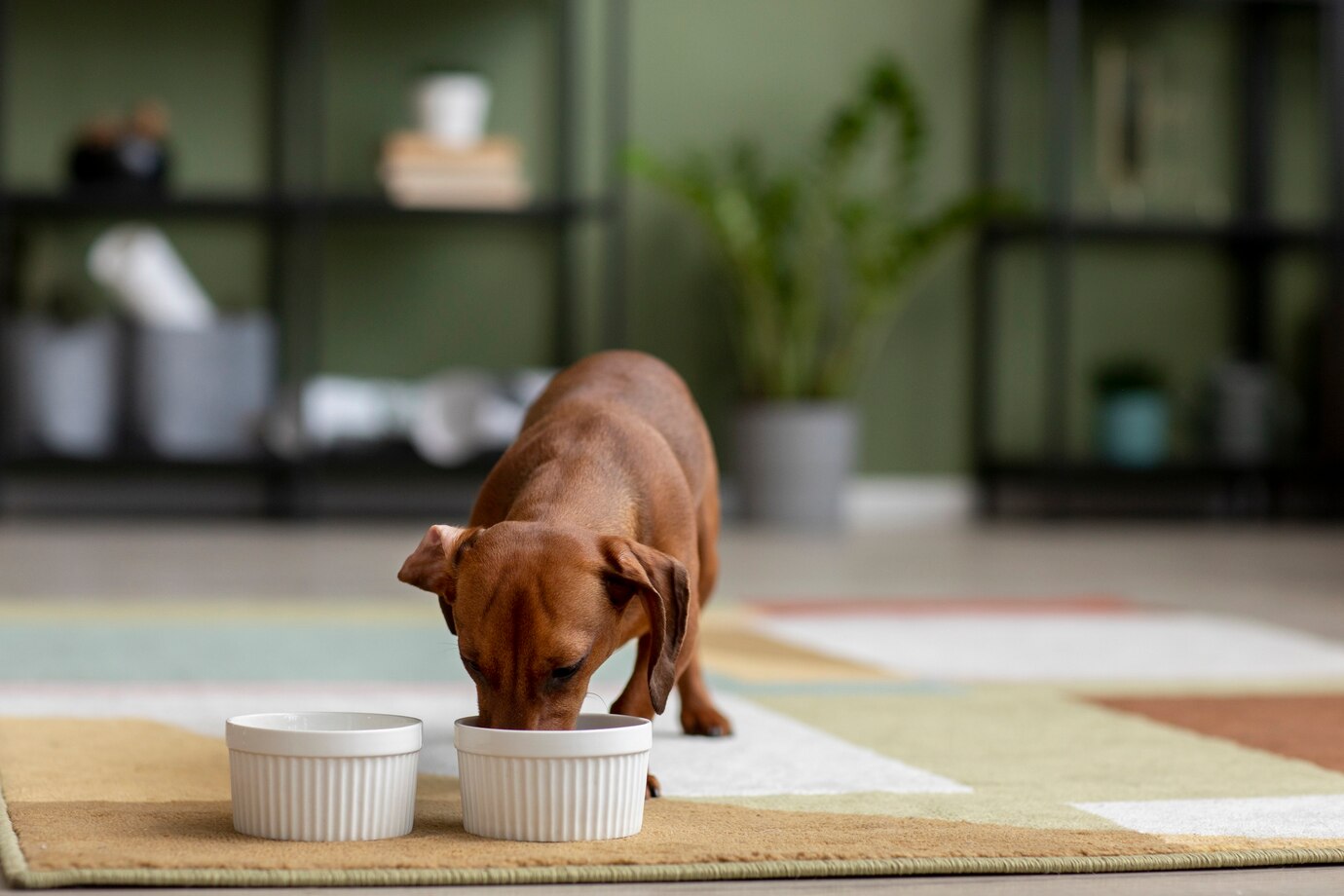
The short answer: Most puppies need about 0.5 to 1 ounce of water per pound of body weight per day. A 10-pound puppy needs roughly 5 to 10 ounces daily; a 30-pound puppy needs 15 to 30 ounces. Actual needs vary with age, activity, diet, and weather. Fresh water should be available at all times. Monitoring how much a puppy drinks helps owners catch dehydration and detect health concerns like urinary tract infections or diabetes early.
Key Takeaways
- Puppies need 0.5 to 1 ounce of water per pound of body weight per day as a general guideline, with higher needs during hot weather, after play, and during weaning.
- Fresh water should always be available. Restricting water to manage housetraining is not recommended and can cause dehydration.
- Puppies eating dry kibble need to drink more water than puppies eating wet food, which already contains 70 to 80 percent moisture.
- Dehydration signs in puppies include tacky gums, skin tenting, sunken eyes, and lethargy. These warrant a vet call the same day.
- Significantly increased water intake combined with increased urination in a puppy can signal a urinary tract infection, kidney issue, or diabetes and should be evaluated promptly.
- The weaning stage (3 to 4 weeks of age) is when water access becomes critical; before that, puppies get all hydration from mother’s milk.
In This Article
- How Much Water Should a Puppy Drink?
- Water Needs by Puppy Weight
- When Should Puppies Start Drinking Water?
- The Daily Water Schedule: When to Offer Water
- Factors That Affect How Much a Puppy Drinks
- Signs of Dehydration vs. Overhydration
- When Drinking More or Less Than Usual Is a Concern
- Tips for Encouraging a Puppy to Drink More Water
- Frequently Asked Questions
How Much Water Should a Puppy Drink?
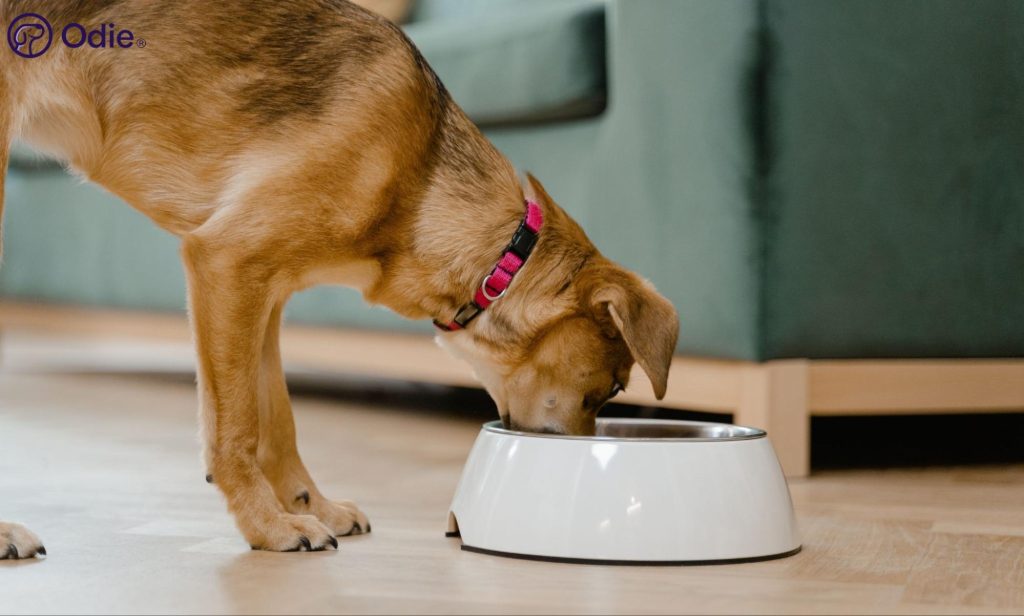
The standard guideline for puppy hydration is approximately 0.5 to 1 ounce of water per pound of body weight per day. This range accounts for normal variation in activity level, diet, and environmental temperature. Very active puppies, those in warm weather, and those eating primarily dry kibble will trend toward the higher end of this range. Puppies eating wet food will typically drink less from the bowl since they are obtaining significant moisture through their meals.
These numbers are a starting point rather than a precise target. The more practical approach is to ensure fresh water is always available, observe the puppy’s normal intake over several days to establish a baseline, and watch for meaningful changes from that baseline rather than measuring every ounce consumed.
Puppies are running a lot of metabolic machinery at once: growing fast, regulating their temperature less efficiently than adult dogs, and burning through energy at play, so their water needs can move around a lot. That’s why the most useful data point is your own puppy’s baseline over a normal week, since a sustained change from that pattern can be an early clue to things like a urinary infection, kidney issue, or diabetes. You don’t need to measure every ounce; just know what normal looks like so you’ll notice when it isn’t.
For a broader overview of hydration across all life stages, see How to Keep Your Dog Hydrated.
Water Needs by Puppy Weight
The table below shows approximate daily water needs by body weight, using the 0.5 to 1 ounce per pound guideline. Use these figures as a reference range rather than a fixed target, and remember that puppies eating wet food will naturally drink less from the bowl than these figures suggest.
| Puppy Weight | Min Daily Water | Max Daily Water | Notes |
| 5 lbs (2.3 kg) | 2.5 oz (74 ml) | 5 oz (148 ml) | Typical for very young or toy breed puppies |
| 10 lbs (4.5 kg) | 5 oz (148 ml) | 10 oz (296 ml) | Common weight range for small breeds at 8–12 weeks |
| 20 lbs (9 kg) | 10 oz (296 ml) | 20 oz (591 ml) | Medium breed puppy range; increases with activity |
| 30 lbs (13.6 kg) | 15 oz (444 ml) | 30 oz (887 ml) | Common for medium-large breed puppies at 12–16 weeks |
| 50 lbs (22.7 kg) | 25 oz (739 ml) | 50 oz (1.5 L) | Large breed puppies; active periods significantly increase needs |
| 80 lbs (36.3 kg) | 40 oz (1.2 L) | 80 oz (2.4 L) | Large to giant breed puppies; adjust upward in heat or high activity |
When Should Puppies Start Drinking Water?
Puppies under three weeks of age get all their hydration from their mother’s milk. They do not need and should not be given supplemental water during this stage. From around three to four weeks, when weaning begins, puppies can start lapping water from a shallow dish alongside their introduction to solid food. At this stage, water access becomes a daily necessity.
During the weaning transition, between three and seven weeks old, puppies are learning to lap rather than suckle, and the process is messy and gradual. Using a shallow dish or low-sided bowl reduces the risk of a puppy inadvertently submerging its face. Water and a gruel-like mixture of puppy food and water are typically offered together during this transition, helping the puppy associate drinking with eating before the two are fully separated.
By the time a puppy goes home with a new family, typically at eight weeks of age, they should already be comfortable drinking from a bowl and should have access to fresh water throughout the day from the start.
The Daily Water Schedule: When to Offer Water
Having a consistent schedule for when to actively offer water, particularly in early puppyhood, helps ensure adequate intake and supports housetraining by making urination more predictable. Fresh water should always be available, but encouraging the puppy to drink at specific times anchors the habit.
Key Times to Encourage Water
- Morning: Offer water immediately when the puppy wakes. After overnight sleep, even puppies that have held their urine well will benefit from water before anything else.
- Before and after meals: Puppies eating dry food particularly benefit from water alongside meals to aid digestion. Following meals with water also helps dilute residue in the GI tract.
- After play and activity: Puppies lose water through panting during active play. Offering water within a few minutes of a play session prevents mild dehydration building up through the day.
- After outdoor time: Warm or sunny outdoor environments increase fluid loss even in brief outings.
- Before bed: A small amount of water up to an hour before sleep is fine. Limiting water in the final 30 to 60 minutes before bed reduces the likelihood of a nighttime accident without restricting hydration during waking hours.
Do not restrict water access as a housetraining strategy during the day. Puppies need consistent hydration for healthy kidney function, digestion, and growth. Limiting water causes discomfort and increases the risk of urinary tract infections without meaningfully improving housetraining outcomes.
Factors That Affect How Much a Puppy Drinks
Diet
Puppies eating dry kibble need to drink significantly more water than those eating wet or raw food, because kibble contains only about 10 percent moisture while wet food typically contains 70 to 80 percent. A puppy switching from wet to dry food, or eating a mix, will show changes in bowl drinking that reflect this shift in dietary moisture rather than a change in overall hydration. This is normal and expected.
Activity Level
Active puppies, particularly those going through a playful, energetic developmental phase, need more water than quiet or resting puppies. Heavy panting during play is a sign the puppy is working to regulate temperature and losing moisture in the process. Offering water during breaks in play rather than only afterward prevents accumulated dehydration across a long play session.
Weather and Temperature
Warm or humid weather increases a puppy’s fluid needs substantially. Dogs cool primarily through panting, which expends moisture, and puppies are less efficient at thermoregulation than adult dogs. In summer or during indoor environments without air conditioning, puppies may drink 25 to 50 percent more than their baseline. Monitoring water intake more closely during hot periods and ensuring the bowl is always filled with fresh, cool water supports healthy hydration.
Age and Growth Stage
Very young puppies that are still nursing need no supplemental water. Weaning-age puppies in the transition stage drink modestly and are still receiving some fluid through milk. By eight weeks, water needs increase with the switch to solid food. As puppies grow through their first six months, water needs increase proportionally with body weight and the energy demands of rapid growth.
Illness
Vomiting and diarrhea both cause significant fluid loss and can dehydrate a puppy rapidly. Puppies are more vulnerable to the effects of dehydration than adult dogs because they have less fluid reserve relative to their body size. Any puppy with an illness causing GI symptoms should be monitored closely for dehydration and seen by a veterinarian promptly if signs appear.
For guidance on managing GI upset and encouraging fluid intake during illness, see What to Give a Dog With Diarrhea.
Signs of Dehydration vs. Overhydration
Both too little water and, less commonly, too much water at once can cause problems for puppies. Knowing what to look for in each direction helps owners respond appropriately.
| Signs of Dehydration | Signs of Overhydration (Water Intoxication) |
| Dry, tacky, or sticky gums | Bloated, distended, or unusually round abdomen |
| Skin that tents when gently lifted and returns slowly | Lethargy, stumbling, or loss of coordination |
| Sunken or dull-looking eyes | Nausea, vomiting, or repeated gagging |
| Lethargy, weakness, or unusual fatigue | Glazed eyes, confusion, or disorientation |
| Reduced or no urination | Excessive salivation or pale gums |
| Loss of appetite and reduced energy | Seizures (in severe cases) |
Dehydration in Puppies
Dehydration in puppies progresses faster than in adult dogs. Even mild dehydration affects energy, digestion, and kidney function. The skin tent test, gently lifting a small fold of skin at the back of the neck and watching how quickly it returns, is the most accessible at-home check. Healthy, well-hydrated skin snaps back almost immediately. Skin that returns slowly or remains tented indicates dehydration. Tacky or dry gums instead of smooth and moist are another reliable indicator.
A dehydrated puppy that is also vomiting or has diarrhea should be seen by a veterinarian the same day, since fluid loss through both routes compounds quickly. Oral rehydration alone may not be sufficient if the puppy cannot keep fluids down, and veterinary fluid support is the appropriate intervention.
Overhydration (Water Intoxication)
Water intoxication is uncommon but can occur in puppies that consume large amounts of water very rapidly, most often during water play or swimming. It causes dilution of the body’s electrolytes, particularly sodium, which produces neurological symptoms. Any puppy that has been playing in water and develops confusion, stumbling, bloating, or vomiting should be seen by a veterinarian urgently. Allowing puppies to drink continuously during water play rather than in gulps reduces this risk.
When Drinking More or Less Than Usual Is a Concern
A puppy’s water intake will naturally vary day to day based on activity, temperature, and diet. The patterns worth flagging are sustained changes, not single-day variations. A puppy that is reliably drinking a certain amount and then significantly changes in either direction for more than a day or two is worth paying attention to.
Drinking Much More Than Usual
Significantly increased water intake, called polydipsia, alongside increased urination is one of the more diagnostically useful early signals in puppies. Common causes include urinary tract infections, diabetes mellitus, kidney disease, and in some cases underlying conditions affecting the liver or adrenal glands. Because these conditions are easier to manage when identified early, a puppy that is noticeably drinking more than its normal baseline for more than two days warrants a veterinary evaluation rather than watchful waiting.
For a detailed breakdown of the conditions associated with excessive thirst in dogs, see Why Is My Dog Drinking So Much Water? Risks and Causes.
Drinking Much Less Than Usual
A puppy that is drinking noticeably less than normal may be compensating with moisture from wet food, may be unwell, or may be stressed by a change in environment. Any puppy that has stopped drinking completely for more than 12 hours, or that is refusing water alongside refusing food and appearing lethargic, needs a same-day veterinary evaluation. Young puppies can become dangerously dehydrated within hours if fluid intake stops entirely.
Changes in how often a puppy needs to go outside are often connected to water intake changes. See How Often Do Dogs Need to Pee? for context on normal urination frequency and what changes to watch for.
Tips for Encouraging a Puppy to Drink More Water
Some puppies are naturally good drinkers. Others need a little encouragement, particularly during the transition from wet to dry food or during low-activity periods. The following approaches consistently help increase water intake in puppies that are not drinking enough.
- Use a clean, fresh bowl: Puppies are sensitive to the smell and taste of water that has been sitting for too long or that carries a residual smell from the bowl material. Stainless steel and ceramic bowls are easier to clean thoroughly than plastic. Refreshing the water two to three times per day rather than once maintains palatability.
- Try a water fountain: Running water is more appealing to many dogs than still water in a bowl. Pet water fountains are available in sizes appropriate for puppies and are particularly effective for dogs that gravitate toward dripping faucets.
- Add water to food: Mixing a small amount of warm water into dry kibble softens the food, increases overall moisture intake through the meal, and is well-accepted by most puppies. This does not replace water access but supplements it.
- Use low-sodium broth: A small amount of plain, low-sodium chicken or bone broth added to the water bowl can increase palatability significantly. Check labels carefully and choose varieties with no added onion, garlic, or salt.
- Place multiple water stations: In a multi-level home or a larger living space, having water available in more than one location reduces the effort required for the puppy to drink and increases the likelihood they will do so when the urge arises.
- Offer water during play: Puppies will often drink readily when offered water during a play break, since the panting of activity creates genuine thirst. Keeping a portable bowl or water bottle nearby during outdoor sessions makes this easy.
| Puppy illnesses, including conditions that affect hydration like UTIs and kidney disease, can be costly to diagnose and treat. Odie’s Illness and Injury Plan covers eligible veterinary costs so you can act early without hesitation.
See coverage options at getodie.com/illness-and-injury-plan/ |
Frequently Asked Questions
How much water should a 8-week-old puppy drink?
An 8-week-old puppy needs approximately 0.5 to 1 ounce of water per pound of body weight per day. An 8-week-old puppy weighing 8 to 10 pounds would need roughly 4 to 10 ounces daily. The exact amount varies depending on whether the puppy is eating wet or dry food, how active they are, and the ambient temperature. Fresh water should be available at all times rather than offered at set amounts.
Is it normal for a puppy to drink a lot of water?
Puppies do drink more water than adult dogs relative to their body size due to rapid growth, higher metabolic rate, and less efficient thermoregulation. A puppy that is active, eating dry food, and growing normally drinking what seems like a lot of water is likely within a normal range. Increased drinking that develops suddenly in a previously stable puppy, or that is combined with increased urination, unusual fatigue, or other behavioral changes, warrants a veterinary evaluation to rule out a health cause.
Can puppies drink too much water?
Excessive water consumption over an extended period, called polydipsia, can be a sign of an underlying health condition rather than a problem caused by the water itself. Drinking very large amounts of water very quickly during water play can cause water intoxication, a dangerous dilution of blood electrolytes. In normal daily drinking, puppies self-regulate and are unlikely to harm themselves by having continuous access to fresh water. The concern is polydipsia as a symptom of illness rather than the water intake itself as a hazard.
Should I restrict my puppy’s water at night?
Limiting water in the final 30 to 60 minutes before bedtime is a reasonable housetraining practice that reduces the likelihood of nighttime accidents without causing dehydration. Restricting water during the day or for extended periods is not appropriate and can cause dehydration and discomfort. The goal is reducing intake right before sleep, not limiting it throughout the day.
My puppy is not drinking much water. What should I do?
First, check whether the puppy is eating wet food, which may account for the reduced bowl drinking. If the diet does not explain the reduced intake, ensure the bowl is clean and the water is fresh. Try adding a small amount of low-sodium broth or moving the bowl to a more accessible location. If a puppy has not drunk any water for more than 12 hours, or is also refusing food and appearing lethargic, contact a veterinarian the same day. Young puppies can become dehydrated very quickly.
What is the best type of water bowl for a puppy?
Stainless steel and ceramic bowls are generally the best choices for puppies. They are easy to clean thoroughly, do not develop the micro-scratches that plastic accumulates over time, and do not retain odors that can make water less appealing. A wide, low-sided bowl is easier for young puppies to drink from than a tall narrow one. For puppies that are enthusiastic drinkers or water bowl tippers, a weighted or non-slip base reduces mess.
Conclusion
Getting puppy hydration right is simpler than it might appear. Fresh water available at all times, a basic awareness of the 0.5 to 1 ounce per pound guideline, and attention to the timing around meals, play, and sleep covers the large majority of what a growing puppy needs. The most important skill is knowing a specific puppy’s normal drinking pattern well enough to notice when it changes.
A puppy that is hydrated, energetic, producing normal pale yellow urine, and growing on track is doing well. Dehydration signs, sudden changes in intake, or drinking that seems excessive for the puppy’s activity and diet level are all worth a veterinary conversation rather than continued monitoring alone.
Sources
- AKC: How Much Water Should a Dog Drink?
- VCA Animal Hospitals: Water Requirements and Fluid Balance in Dogs
- PetMD: How Much Water Should Dogs Drink?
Emma Stanton, Ph.D., is Chief Product Officer at Odie Pet Insurance, where she leads product strategy across pet insurance and wellness offerings. Dr. Stanton’s research and expertise in animal sciences explores how nutrition, metabolism, and lifestyle shape health outcomes in mammals, including dogs and cats, and she brings that scientific background together with years of experience building digital health products for preventive care and chronic-illness management. She writes on pet health with the perspective of someone who genuinely understands the science of what keeps pets healthy.