Prevent Lyme Disease in Dogs: What Every Owner Should Know
Lyme disease is one of the most common tick-borne illnesses affecting dogs in the United States and is also among the most preventable. The bacteria responsible for Borrelia burgdorferi are transmitted through the bite of infected black-legged ticks, and in most cases, the tick needs to be attached for at least 24 to 48 hours before transmission occurs. That window gives pet owners a real and practical opportunity to interrupt the process.
Most dogs exposed to Lyme-carrying ticks never develop clinical illness, and of those that do, the majority respond well to antibiotic treatment when the condition is caught early. The goal of prevention is to reduce exposure significantly enough that the risk remains low throughout tick season, and in many parts of the country, tick season now runs nearly year-round.
This guide covers how Lyme disease is transmitted, what prevention looks like in practice, how to do a thorough tick check, what symptoms to watch for, and how to work with your veterinarian to build a prevention plan that fits your dog’s lifestyle and your region.
In This Article
- Which Dogs Are at Highest Risk
- Tick Prevention Products: What Works
- The Lyme Vaccine for Dogs
- How to Do a Proper Tick Check
- How to Remove a Tick Safely
- Recognizing Lyme Disease Symptoms in Dogs
- Lyme Disease Diagnosis and Treatment
- Prevention by Season and Region
How Lyme Disease Is Transmitted
Lyme disease in dogs is caused by the bacterium Borrelia burgdorferi, which is carried primarily by the black-legged tick, also called the deer tick in the eastern United States, and by the western black-legged tick along the Pacific Coast. The tick picks up the bacteria by feeding on an infected host, typically a small mammal such as a white-footed mouse, and can then transmit it to a dog or human during a subsequent blood meal.
The key factor in transmission timing is how long the tick has been attached. Research indicates that Borrelia bacteria migrate from the tick’s midgut to its salivary glands during feeding, a process that generally takes 24 to 48 hours. A tick that is found and removed within that window has a substantially lower chance of having transmitted the infection. This is why daily tick checks and prompt removal are such an effective part of prevention.
Ticks do not jump or fly. They position themselves on grass blades, leaf litter, or brush and wait for a passing host to make contact, a behavior called questing. Dogs encounter ticks by walking through vegetation where ticks are present, which is why the environment your dog spends time in is one of the most useful factors to consider when assessing their risk.
Which Dogs Are at Highest Risk
Any dog that spends time outdoors in tick habitat has some degree of exposure risk. That said, several factors meaningfully increase the likelihood that a dog will encounter an infected tick.
Geography
Lyme disease is most prevalent in the northeastern and upper midwestern United States, where black-legged tick populations are dense, and infection rates among ticks are high. States including Connecticut, New York, New Jersey, Pennsylvania, Massachusetts, Minnesota, and Wisconsin consistently report the highest case numbers. The range of black-legged ticks has expanded over recent decades, and Lyme disease has been reported in dogs in every state, though risk varies considerably by region.
Outdoor Lifestyle
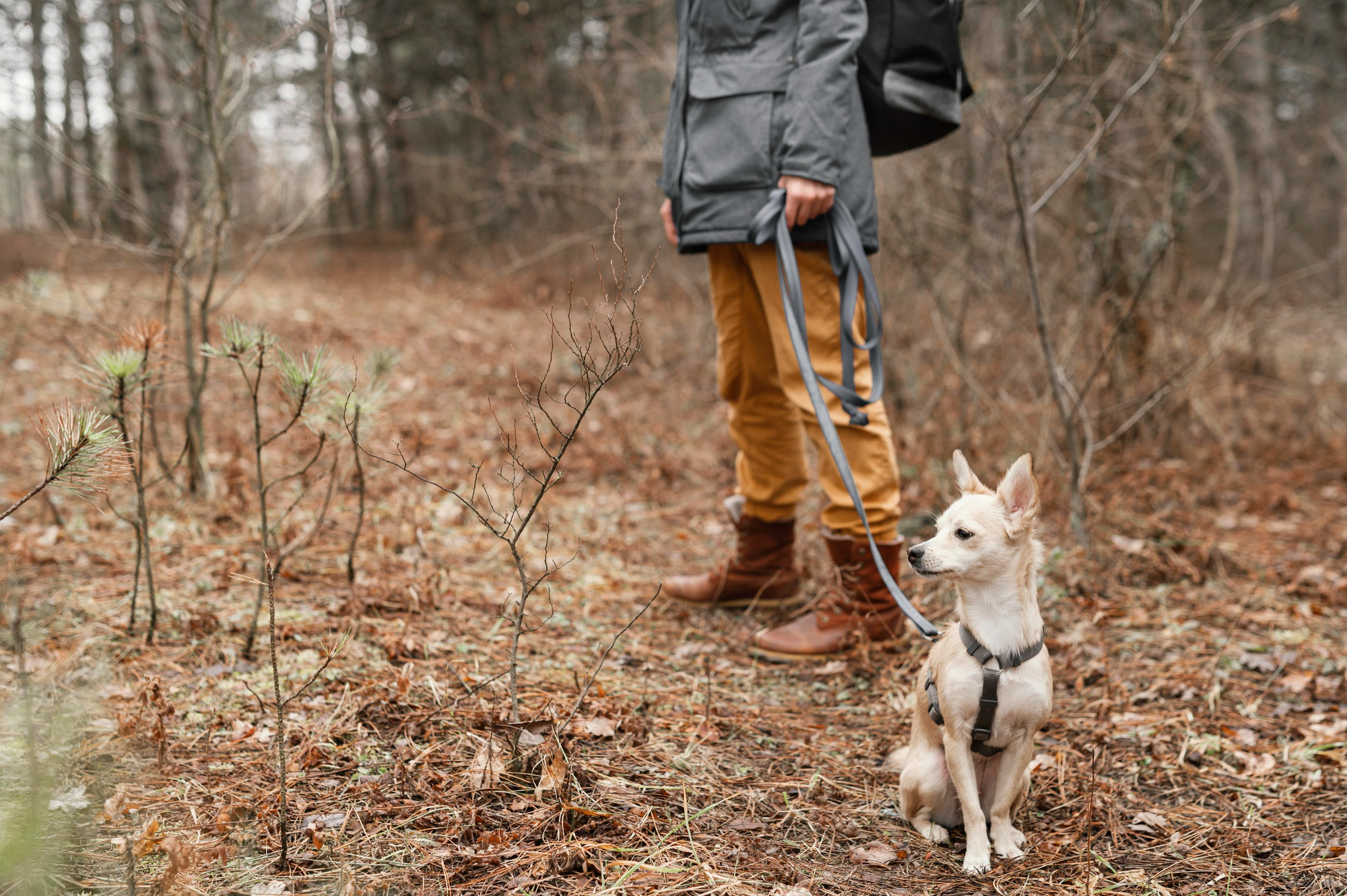
Dogs who hike, trail-run, or spend time in wooded areas, tall grass, shrubby vegetation, or leaf litter are in direct contact with tick habitat. Dogs that primarily use groomed urban parks or concrete surfaces have substantially lower exposure than those that regularly explore natural environments. Farm dogs, hunting dogs, and dogs who accompany owners on backcountry activities are among the most consistently exposed populations.
Seasonal Timing
Black-legged tick activity peaks in spring and fall in most regions, though nymphal ticks, the juvenile stage responsible for a large proportion of Lyme transmission, are most active in late spring and early summer and are small enough to be easily overlooked during tick checks. In areas with mild winters, tick activity continues year-round. Treating tick season as lasting from March through November at a minimum and year-round in warmer climates is the more protective approach.
Tick Prevention Products: What Works
Year-round tick prevention using a veterinarian-recommended product is the most reliable single measure available to dog owners. No prevention method is 100% effective on its own, which is why combining a prevention product with regular tick checks and, in high-risk areas, vaccination produces the most robust protection.
Oral Tick Preventatives
Oral tick prevention medications are isoxazoline-class products such as those containing afoxolaner, fluralaner, or sarolaner, which work by affecting the nervous system of ticks and other parasites after they bite the dog. They do not prevent ticks from attaching, but they kill ticks within hours of contact, typically before the 24 to 48-hour transmission window has passed. These products are available by prescription and come in monthly or three-month formulations, depending on the brand.
Oral preventatives are generally well tolerated by healthy adult dogs. Veterinary guidance is recommended before use in dogs with a history of seizures, as isoxazoline-class medications carry a low but noted risk of neurological effects in a small number of dogs. Discuss your dog’s full health history with your veterinarian before starting any new prevention medication.
Topical Tick Preventatives
Topical spot-on treatments applied to the skin between the shoulder blades spread through the skin’s oils and provide tick prevention for 30 days in most formulations. They create a repellent or kill-on-contact barrier across the skin surface. These products are effective when applied correctly and reapplied on schedule. Bathing or swimming can reduce the duration of effect for some formulations, so checking the product label for guidance on water exposure is worthwhile.
Tick Collars
Tick-repellent collars containing active ingredients such as flumethrin and imidacloprid can provide extended protection. Some collars are rated for up to eight months of coverage. The collar must maintain good contact with the skin to be effective, so check that it fits properly and replace it if the dog’s weight changes significantly. Collars work well as a supplementary layer alongside other prevention methods.
What to Avoid
Never apply a tick prevention product designed for dogs to a cat, and never apply a product formulated for a larger dog to a much smaller one. Products containing permethrin are safe for dogs but highly toxic to cats. If you share a household with both species, ask your veterinarian for guidance on products that keep both animals safe. Over-the-counter tick products vary widely in effectiveness. Veterinarian-recommended options have been evaluated for efficacy and safety in ways many retail products have not.
The Lyme Vaccine for Dogs
A Lyme disease vaccine is available for dogs and is recommended by many veterinarians for dogs living in or visiting high-risk areas. The vaccine targets Borrelia burgdorferi and works by triggering the dog’s immune response to neutralize the bacteria before they can establish infection. It is given as an initial series of two injections two to four weeks apart, followed by annual boosters.
The vaccine is not universally recommended for all dogs; its value depends on the dog’s geographic location and actual exposure risk. Dogs in low-exposure areas with minimal contact with wooded or brushy environments may not benefit significantly enough to justify the additional vaccination. Your veterinarian can advise you on whether the vaccine is appropriate for your specific region and your dog’s lifestyle.
The Lyme vaccine is a protective measure and not a substitute for tick prevention products or tick checks. Vaccination reduces the risk of infection but does not eliminate it, which is why it works best as part of a layered approach alongside effective tick preventatives.
How to Do a Proper Tick Check
A thorough tick check after every outdoor outing is one of the most effective free prevention tools available. The goal is to find and remove any ticks before the 24 to 48-hour transmission window passes. This requires checking systematically rather than casually running a hand over the coat.
Where Ticks Like to Hide
Ticks seek warm, protected areas of the body where they are less likely to be dislodged. The most common locations on dogs include the area in and around the ears, between the toes and around the paw pads, the groin and inner thighs, under the tail and around the anus, the area around the eyelids, and underneath the collar. Running fingers slowly through the fur, not just over it, is necessary to find ticks, particularly small nymphal ticks which are roughly the size of a poppy seed.
What to Feel For
Ticks feel like small bumps on the skin, ranging from the size of a sesame seed for an unfed adult tick to the size of a small grape for one that has been feeding for several days. Engorged ticks are easy to spot visually, but small, unfed ticks require slower, more deliberate examination. Part the fur systematically, working from the head toward the tail to cover the entire body.
Checking Yourself After Checking Your Dog
Ticks that have not yet attached to your dog may transfer to you during the examination. After completing a tick check on your dog, check yourself, particularly your hairline, behind the ears, underarms, the back of the knees, and the waistband area. Lyme disease is a human health concern as well as a canine one, and the same tick population poses a risk to everyone in the household.
How to Remove a Tick Safely
Finding a tick attached to your dog is not a cause for alarm; it is an opportunity to act before transmission becomes more likely. Removal is straightforward when done with the right tool and the right technique.
Use Fine-Tipped Tweezers or a Tick Removal Tool
Grasp the tick as close to the skin surface as possible using fine-tipped tweezers or a purpose-designed tick removal tool. Pull upward with steady, even pressure. Do not twist or jerk. The goal is to remove the tick intact, including the mouthparts, which are embedded in the skin. Leaving mouthparts behind can cause a local skin reaction, though this is generally minor and self-resolving.
What Not to Do
Do not apply petroleum jelly, nail polish, heat, or any other substance to the tick before removal. These methods are ineffective and may cause the tick to release more saliva at the bite site, thereby increasing rather than decreasing the risk of transmission. Do not crush the tick between your fingers after removal. Dispose of it by sealing it in a zip-lock bag, placing it in alcohol, or flushing it.
After Removal
Clean the bite site with rubbing alcohol or soap and water after the tick is removed. You can save the tick in a sealed container or bag in case your veterinarian wants to identify the species later. Note the date of removal and monitor the bite site over the following days for any redness, swelling, or signs of local infection. Contact your veterinarian if you are concerned about the length of attachment or have questions about next steps.

Recognizing Lyme Disease Symptoms in Dogs
One feature of Lyme disease in dogs that can make it difficult to catch early is the delay between tick exposure and symptom onset. Signs typically develop two to five months after an infected tick bite, by which time the owner may not connect the current illness to a tick encounter months earlier.
The majority of dogs that test positive for antibodies to Borrelia burgdorferi never develop clinical signs of illness. In those who do, the symptoms are manageable and generally respond well to treatment when addressed promptly. The most common presentation is a shifting-leg lameness that affects one or more joints.
Common Symptoms
- Lameness that shifts between legs over days or weeks, often affecting one front or rear leg at a time
- Swollen, warm, or painful joints, particularly the knees, ankles, and elbows
- Fever, typically between 103 and 105 degrees Fahrenheit
- Reduced energy and reluctance to exercise or move
- Reduced appetite
- Swollen lymph nodes, particularly near the site of the tick bite
Less Common but Serious Presentations
In a small percentage of dogs, Lyme disease affects the kidneys, a condition called Lyme nephritis. This is a more serious complication that produces symptoms including increased thirst and urination, vomiting, weight loss, and swelling of the limbs or abdomen. Lyme nephritis is less common than the typical joint-related presentation, but it is worth knowing about because it progresses more quickly and requires more intensive treatment. Certain breeds, including Labrador Retrievers, Golden Retrievers, and Bernese Mountain Dogs, may have a higher predisposition to this complication.
Cardiac and neurological complications from Lyme disease occur in dogs but are rare. A dog showing any combination of the common symptoms described above, alongside significant lethargy, difficulty breathing, or neurological changes, should be seen promptly.
Lyme Disease Diagnosis and Treatment
Lyme disease in dogs is typically diagnosed using a combination of clinical signs, history of exposure, and blood testing. The most common initial screening test is an in-clinic antibody test, the same panel used for annual heartworm testing in many practices, which often includes Lyme screening. A positive result indicates that the dog has been exposed to Borrelia burgdorferi, though it does not on its own confirm active clinical disease.
When a dog tests positive and is showing clinical signs, the veterinarian will typically recommend a course of the antibiotic doxycycline, usually given for four weeks. Most dogs show significant improvement within the first few days of starting treatment, which is a reassuring sign that the diagnosis is correct and the treatment is working. A complete course is recommended even when the dog seems better sooner.
Dogs that test positive but show no symptoms may be monitored with follow-up testing rather than treated immediately, depending on the veterinarian’s assessment and the individual dog’s health history. Your veterinarian will advise on the most appropriate course of action for your dog’s specific situation.
What Lyme Disease Treatment Typically Costs
The cost of diagnosing and treating Lyme disease varies by location and case complexity. An initial veterinary visit with bloodwork and an in-clinic Lyme test typically ranges from $150 to $300, depending on the practice and region. A standard course of doxycycline for a medium-sized dog generally costs between $30 and $80. More complex cases involving kidney complications, specialist referral, or extended treatment can involve significantly higher costs over time.
Odie’s Illness and Injury plan covers treatment for Lyme disease as a new illness, provided the condition was not present before the policy’s waiting period ended. For dogs in high-risk areas, having coverage in place before tick season begins is the more practical approach.
Prevention by Season and Region
Tick exposure risk is not uniform throughout the year, and the most effective prevention approach depends on when and where your dog spends time outdoors.
Spring and Summer
Late spring and early summer mark the peak activity period for nymphal black-legged ticks, which account for a disproportionate share of Lyme transmission due to their small size and the difficulty of finding them during tick checks. Maintaining tick prevention products without gaps during this period is particularly important. Dogs who hike or spend extended time in wooded areas should receive a thorough tick check immediately after each outing.
Fall
Adult black-legged ticks become more active again in fall and remain active until the first hard frost. Many pet owners make the mistake of discontinuing tick prevention in September or October, leaving their dog exposed during a period of meaningful tick activity. Continuing prevention through November and year-round in regions without reliable hard frosts is the safer approach.
Winter
Black-legged ticks can remain active on mild winter days when temperatures are above freezing. In the southeastern United States and along the Pacific Coast, tick activity continues throughout the winter months. Year-round tick prevention is the standard recommendation from veterinary organizations for dogs in these regions, and it is the most straightforward approach for pet owners who want to avoid managing seasonal gaps.
High-Risk Regions
If you live in or travel to the northeastern United States, the upper Midwest, or coastal areas with dense deer populations, the combination of year-round tick prevention, annual Lyme vaccination, and consistent tick checking provides the most comprehensive protection available. Your veterinarian can give you region-specific guidance on the tick species present in your area and the most effective products for your situation.
The Bottom Line
Lyme disease is common in many parts of the United States, and dogs that spend time outdoors face a real risk of exposure. The encouraging aspect of this condition is how much is within a pet owner’s control. A reliable tick-prevention product, a vaccination discussion with your veterinarian, and consistent tick checks after outdoor activity address the majority of the risk in a practical, manageable way.
Catching a tick early, before it has had time to feed for 24 to 48 hours, interrupts transmission before infection can occur. Knowing the symptoms allows early treatment, which leads to straightforward recovery in the majority of clinical cases. Neither of those things requires specialized knowledge; they require attention and habit.
Speak with your veterinarian about the tick species and Lyme risk specific to your region, the prevention products best suited to your dog’s lifestyle, and whether the Lyme vaccine is a good fit for your situation. A brief conversation at your next wellness visit gives you a clear, current plan rather than a general one.