Lepto Vaccine for Dogs [How Often & Side Effects]
Understanding Leptospirosis: Impact on Canine Health
Leptospirosis is a bacterial infection that affects dogs worldwide. It is caused by the Leptospira bacteria, which can be found in contaminated soil, water, and the urine of infected animals, such as rats, raccoons, and skunks. This disease poses a significant threat to canine health, as it can lead to kidney and liver damage, respiratory issues, and even death if left untreated. The bacteria can also enter their system through cuts or abrasions on their skin or by drinking or inhaling contaminated substances.
Is Human Transmission of Leptospirosis from Dogs Possible?
The primary concern regarding leptospirosis is the health of our furry friends, but it’s also essential to address the potential for human transmission. Although rare, humans can contract leptospirosis from infected dogs. This typically occurs through direct contact with the urine or bodily fluids of an infected dog or by exposure to contaminated environments.
It is crucial to practice good hygiene when handling dogs with leptospirosis, such as wearing gloves and thoroughly washing hands.. Additionally, maintaining a clean living environment and properly disposing of any waste is essential to minimize the risk of transmission.
What is the Lepto Vaccine for Dogs?
The lepto vaccine for dogs is a preventive measure that helps protect our furry companions against leptospirosis. This vaccine contains inactivated Leptospira bacteria strains, which stimulate the dog’s immune system to produce antibodies. These antibodies then provide protection against future infections.
The lepto vaccine is typically administered as part of a combination vaccine, which also protects against other common diseases like distemper, hepatitis, and parvovirus. It is important to consult with your veterinarian to determine the most suitable vaccination schedule for your dog based on their age, lifestyle, and risk factors.
Understanding the Importance of the Lepto Vaccine for Dogs
The lepto vaccine plays a crucial role in safeguarding the health and well-being of our canine companions. Leptospirosis can be a severe and potentially fatal disease, and the vaccine offers the best defense against it. By vaccinating our dogs, we not only protect them but also reduce the risk of transmission to humans and other animals.
The vaccination stimulates the immune system to produce antibodies specific to the Leptospira bacteria. These antibodies help neutralize the bacteria, preventing it from causing illness. While the vaccine does not provide 100% immunity, it significantly reduces the severity of the disease if a vaccinated dog becomes infected.
Common Side Effects of the Lepto Vaccine for Dogs
Like any medical intervention, the lepto vaccine for dogs may have some side effects, such as soreness at the injection site, mild lethargy, and a mild fever. However, it is essential to note that these side effects are generally mild and temporary. In rare cases, more severe reactions can occur, such as an allergic response or anaphylaxis. It is crucial to monitor your dog closely after vaccination and seek immediate veterinary attention if you notice any concerning symptoms.
Lepto Vaccine Schedule for Dogs: How Often Should it Be Given?
The lepto vaccine schedule for dogs depends on various factors, including the dog’s age, lifestyle, and risk of exposure. In general, puppies should receive their initial lepto vaccine at around 12 weeks of age, with a follow-up booster shot two to four weeks later. Adult dogs should receive a yearly booster to maintain protection.
However, it is essential to consult with your veterinarian to determine the most appropriate schedule for your dog. Your veterinarian will consider your dog’s specific needs and risk factors to ensure adequate protection against leptospirosis.
Where is the Lepto Vaccine Given in Dogs?
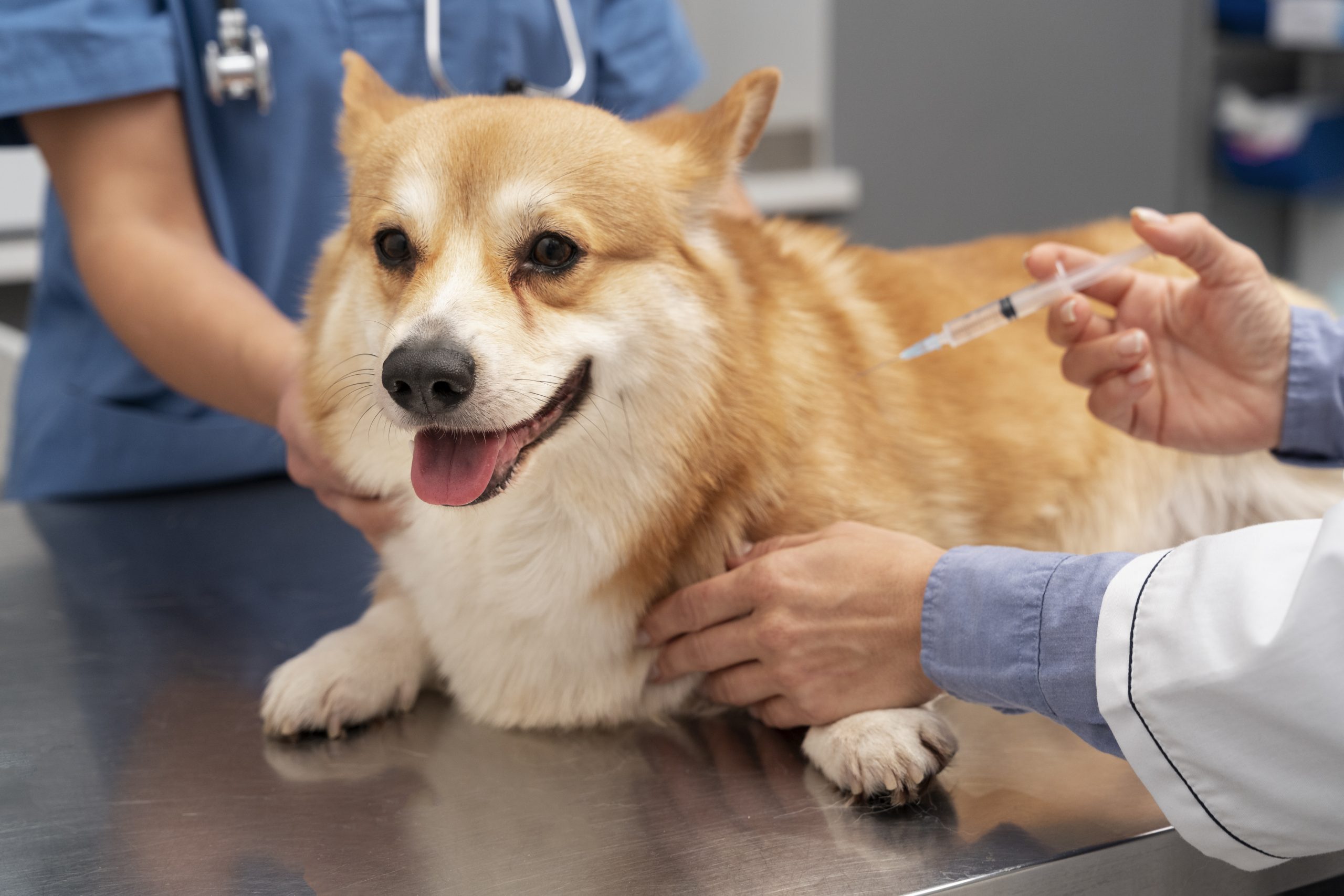
The lepto vaccine is typically administered via an injection, either subcutaneously or intramuscularly. The most common site for injection is the loose skin between the shoulder blades, as it allows for easier access and absorption of the vaccine.
It is important to note that only a licensed veterinarian or a trained veterinary professional should administer the lepto vaccine, as they have the knowledge and experience to ensure proper administration and minimize any potential risks.
Does the Lepto Vaccine Make Dogs Tired?
Some dogs may experience temporary lethargy or tiredness after receiving the lepto vaccine. This is considered a normal response and typically resolves within a day or two. If your dog continues to exhibit fatigue or any other concerning symptoms, it is important to consult with your veterinarian for further evaluation.
The Significance of Annual Lepto Vaccine for Dogs
Annual vaccination against leptospirosis is crucial to maintain immunity and protect our dogs from this potentially life-threatening disease. The immunity provided by the vaccine may decrease over time, making booster shots necessary to ensure continued protection.
Regular vaccination not only safeguards our dogs but also helps in reducing the overall prevalence of leptospirosis in the canine population. By vaccinating our pets, we contribute to the collective effort of disease prevention and control.
Exploring Other Options Besides the Lepto Vaccine
While the lepto vaccine is highly effective in preventing leptospirosis, it is worth considering additional preventive measures, especially if your dog is at a higher risk of exposure. These measures may include avoiding areas with standing water or known wildlife habitats, using tick and flea preventives, and practicing good hygiene after outdoor activities.
It is crucial to discuss these options with your veterinarian to determine the best approach for your dog’s specific circumstances. They will be able to provide personalized recommendations based on your dog’s lifestyle and risk factors.