
How to Train Your Puppy to Sleep in His Bed
Updated April 15, 2026
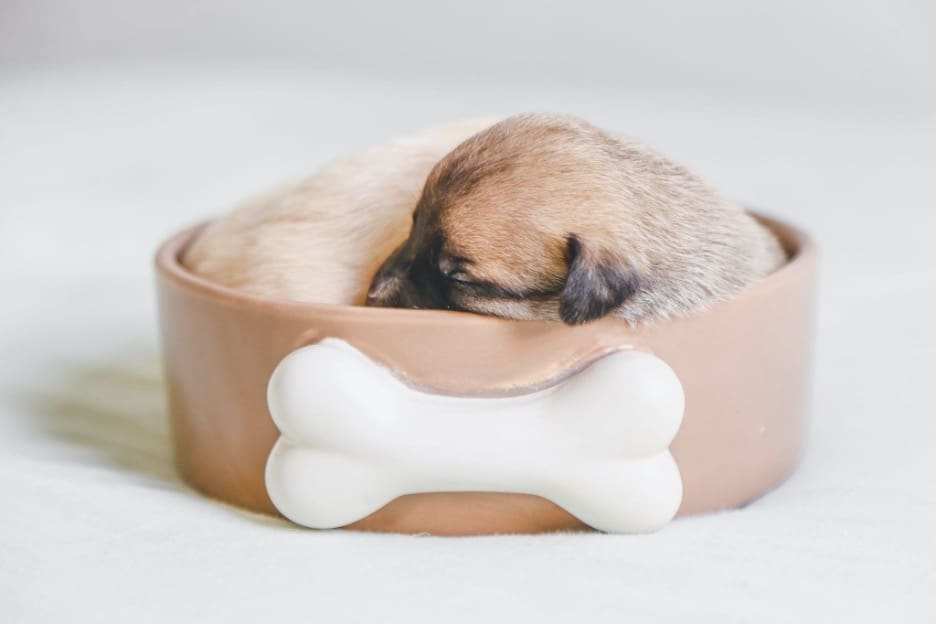
It’s a magical feeling when your new puppy curls up next to you at night, warm and content. There’s nothing quite like those first few weeks of bonding, and sharing your bed feels natural when your puppy seeks comfort and security. But as many pet parents discover, what works in the beginning can become challenging as your puppy grows. That adorable eight-pound ball of fluff will eventually become a forty, sixty, or even hundred-pound dog who still thinks the bed is theirs.
Training your puppy to sleep in their own bed isn’t about pushing them away; it’s about giving them a safe, comfortable space where they can rest peacefully while you both get the quality sleep you need. With some patience, consistency, and the right approach, you can help your puppy develop healthy sleep habits that will benefit your entire household for years to come.
Why Puppies Want to Sleep Near You
Unlike what many people think, dogs are naturally drawn to cozy, enclosed spaces that resemble the caves where their wolf ancestors sought shelter. These den-like areas provided warmth, protection, and security, instincts that still run deep in your puppy today. As pack animals, dogs naturally seek connection by sleeping near their family, which is why your puppy wants to be close to you at night.
Research from the Mayo Clinic Proceedings shows that owners actually get better sleep with their dogs present in the room, though sharing a bed isn’t always the best solution for everyone. A well-balanced sleep cycle is vital for both you and your puppy, especially during those crucial early weeks when they’re building trust and learning household routines.
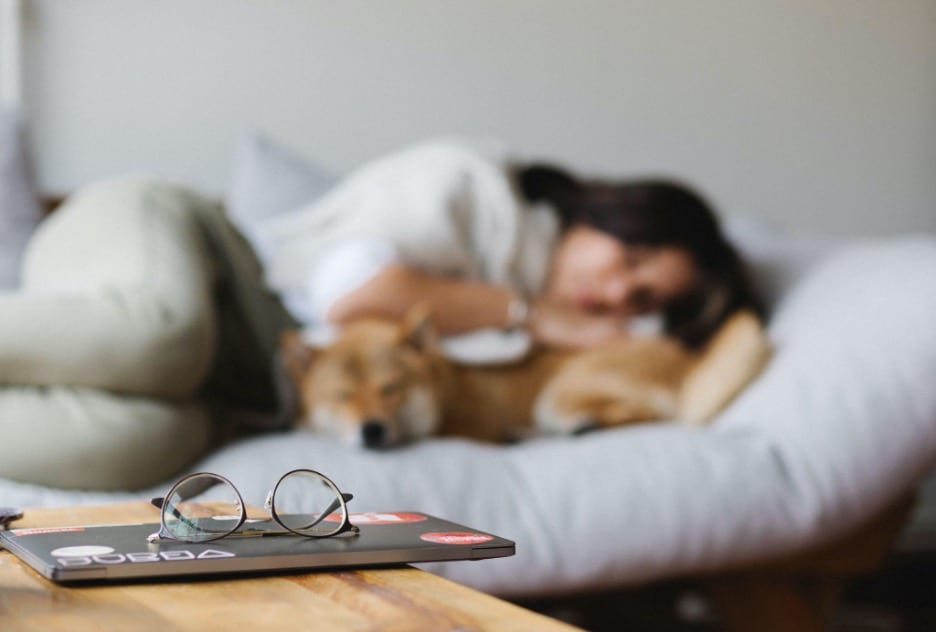
Many pet parents start by letting their puppy sleep with them. The comfort and bonding it creates are valuable. However, this habit can become problematic as your puppy grows. Puppies are highly impressionable and quickly associate your bed with sleeping, which creates challenges later when they’re too large to share comfortably. There’s also the practical concern of disturbed sleep, yours from their midnight movements and bathroom needs, and potentially theirs if you accidentally shift onto them during the night.
Finding the Right Balance for Your Household
Making your puppy sleep in another room entirely or on the balcony isn’t the answer either. This can create anxiety about feeling left out, leading to excessive barking or destructive behavior as they struggle to understand the separation. The goal is to find a sleeping arrangement where your puppy feels secure and connected to the family while having their own comfortable space.
Training your puppy to sleep in their own bed is a matter of practice and patience. The more consistently you approach it while ensuring their comfort, the more naturally it becomes a habit. Like any routine, establishing a healthy sleep pattern benefits everyone and creates a peaceful household where both you and your puppy can rest well.
Choosing the Right Bed for Your Puppy
Selecting the right bed for your puppy is a crucial step in ensuring they enjoy restful sleep and feel secure in their new home with you. With so many options available, it can feel overwhelming to decide which one will best suit your puppy’s needs.
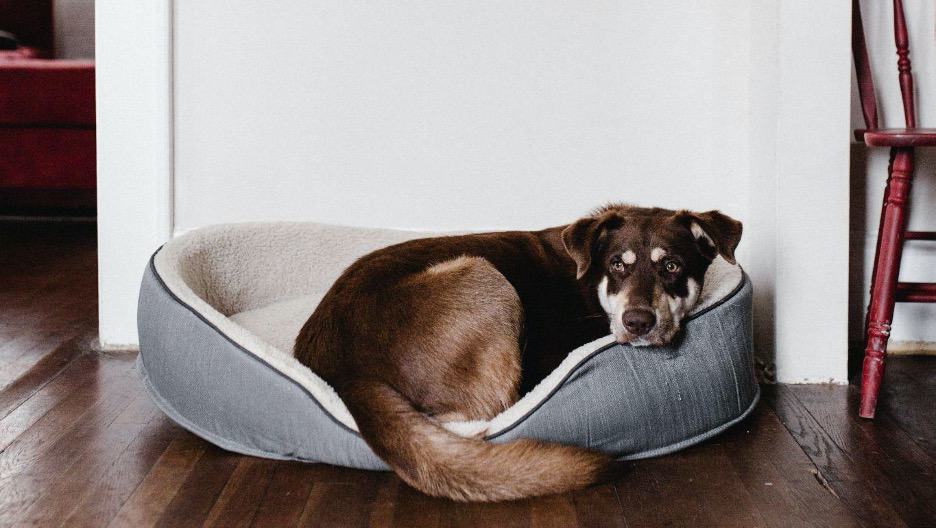
Start by considering your puppy’s size and breed. Smaller puppies that like to curl up may prefer cozy beds with raised sides that make them feel protected, while larger breeds or those that sprawl out will need more spacious beds to stretch comfortably. Observe your puppy’s sleeping style carefully. Do they burrow under blankets, stretch out flat, or curl into a tight ball? These natural preferences will guide you toward the right choice.
Look for dog beds made from durable, easy-to-clean materials, as puppies can be messy and accidents are common during early house training. The bed should provide adequate support for growing bodies, especially for larger breeds that need extra cushioning to protect developing joints. For older dogs already in your household, consider their specific needs too. Orthopedic beds can accommodate joint issues and arthritis that develop with age.
Make sure the sleeping space is inviting and placed in a spot where your puppy feels safe and relaxed, away from drafts and loud noises. A comfortable bed not only encourages your puppy to sleep in their own space but also supports their overall health and happiness. Taking the time to find the perfect bed will help your puppy settle in and enjoy restful sleep every night, giving you peace of mind.
Creating a Sleep-Conducive Environment
A peaceful, comfortable environment is key to helping your dog sleep soundly in their own bed without anxiety or restlessness. Place your dog’s bed in a calm area of your home, away from loud noises, drafts, or high-traffic zones where people are constantly moving. Many dog owners find that their puppy settles more easily when their sleeping space is quiet, cozy, and free from distractions.
Using blackout curtains or blinds can help block out excess light that might disturb your puppy’s sleep, while maintaining a consistent, comfortable room temperature makes the space more inviting throughout all seasons. Consider adding gentle background noise, such as a white noise machine or soft music, to create a soothing atmosphere that masks household sounds. Like humans, puppies can be lulled to sleep by soft, musical notes in a darkened room.
Establishing a consistent bedtime routine signals to your dog that it’s time to wind down. This might include a relaxing evening walk, gentle play, a quick snack, grooming, or saying goodnight to all family members. These predictable patterns create positive associations and help your puppy transition into sleep mode naturally.

Where Should Your Puppy Sleep at Night
Having your puppy share your bed is entirely acceptable. However, it may not be a sustainable option for the long term. Your puppy may cry at night for unknown reasons, disturbing your sleep and leaving you exhausted. For light sleepers, even small movements can disrupt rest throughout the night when the puppy wakes for bathroom breaks or comfort.
Starting your puppy in their own bed while in your bedroom initially provides the best of both worlds. They can sense your presence and feel secure knowing you’re nearby, while you maintain your own sleeping space. If your puppy acts restless at first, you can place their bed in your room until they adjust. Some owners find it helpful to place two or three dog beds in different spots around the house, encouraging the puppy to take daily naps on them and making the beds familiar, comfortable spaces.
Use a familiar object, such as a plush toy or blanket, to help your puppy get used to being on their own for the night. This comfort item carries familiar scents and provides reassurance. If you’re crate-training your puppy, set a fixed time for bathroom breaks in the middle of the night to avoid accidents or bladder discomfort that can lead to restlessness.
Observe which bed and sleeping arrangement your dog prefers, and place the bed directly on the floor in a quiet spot to create a comfortable, designated sleeping area. Possible causes for disrupted sleep include the presence of other animals near the sleeping area, changes in routine, or your dog’s reluctance to leave where they previously slept. Identifying these issues can help you address sleep disruptions and improve your puppy’s quality of rest.
Training Your Puppy to Sleep in Their Own Bed: A Step-by-Step Guide
Getting a new puppy to sleep in their own bed is similar to establishing sleep routines with a newborn baby—it requires patience and dedication. Teaching your dog to settle down and sleep in their own bed involves positive reinforcement to help them learn new habits that stick. Here’s how to approach this training with love and consistency.
Step 1: Use Treats to Create Positive Associations
Place your puppy’s favorite small treats in a neat line leading to their bed and allow them to follow the trail until they’re comfortably seated on the cushion. If the puppy halts in the middle, you can use a clicker to mark their progress as they eat. Start feeding treats to your puppy from inside their bed and click every time they follow the instruction, making sure the treat rewards the correct behavior.
Step 2: Focus on Positive Reinforcement
Associating the bed with negative experiences can drive your puppy away, making them think of it as punishment rather than a safe space. Using verbal praise and rewarding the puppy are key to reinforcing good behavior. Instead of punishing them when they leave the bed, focus on rewarding positive actions. This approach is far more effective in building lasting habits.
Communicate your appreciation with encouraging phrases like “good job,” “good doggy,” and “well done!” to reinforce their positive behavior and make them feel loved. Never use the bed as a timeout spot or punishment, as this undermines all your training efforts.
Step 3: Build the Habit of Going to Bed
Once your puppy gets used to eating treats in their bed, the next step is getting them comfortable with going toward the bed to receive rewards. Begin by using a release command such as “okay” or “release” to let them know when they can get out of bed for play or meals.
Then pretend you’re throwing a treat into their bed, and as they go toward it, use a clicker to mark their good behavior, then give a treat. This teaches your puppy to go to their bed on command, which will be useful throughout their life.
Step 4: Add a Consistent Command
Practice this repeatedly, and each time use the same command, such as “settle down” or “go to bed,” to reinforce the behavior and create consistency. This helps your puppy understand exactly what’s expected of them each night. It’s important to use the same command each time and physically walk your puppy to the designated sleeping area initially to reinforce the routine.
Once your puppy understands the command, wait and see if they step into the bed on their own, then reward that independence generously. This shows them they’re making the right choice without your constant guidance.
Step 5: Practice From a Distance
Once you’re confident that your puppy is following the cue reliably, test their understanding by going to different distances and using the command from various locations. Being patient and consistently rewarding the puppy is important for success in this advanced stage.
The final step is to go to a separate part of the house and, from a distance, command your puppy to sleep in their bed. Reward your puppy if they stay in place for longer periods, and use the release command to let them know when they can get out of bed. This builds their confidence and reinforces that the bed is their special resting place.
Remember that it will take repetitive efforts and training to help your puppy practice this exercise with precision. Consistency is the key to any dog training success, and sleep training is no exception.
Additional Tips for Success
Several factors define your puppy’s good night’s sleep and overall comfort. The bed your puppy likes, the placement of that bed, the timings at which they go to bed and wake up, and the consistency of training all play important roles.
Ensure your puppy gets adequate exercise during the day so they’re naturally tired at bedtime. A tired puppy is much more likely to settle down peacefully in their own bed. Establish regular feeding times and avoid feeding too close to bedtime to minimize nighttime bathroom needs.
Be aware that puppies are highly susceptible to fleas and other parasites, which can disrupt their sleep and comfort. Maintaining regular preventive care ensures your puppy stays healthy and comfortable in their bed. A healthy, comfortable puppy is much easier to train and will sleep more soundly.
Patience and Love Create Lasting Habits
While training, practice patience and commitment to help your puppy adjust to a comfortable sleep routine. It may take a few weeks for your puppy to fully adjust and achieve better rest in their own bed. You might experience several nights of whining and anxiety before the habit takes hold, but your puppy will gradually learn that their bed is a safe, comfortable place.
Some will take more or less time to adjust to their sleep cycle based on their personality and background. The key is helping your pet understand that their bed is a safe zone where they can feel content and comfortable falling asleep.
A comfortable and supportive bed helps your dog feel secure and promotes restful sleep, allowing them to wake up refreshed and energized for the day ahead. This supports your dog’s overall well-being and helps them thrive in your loving home.
How Odie Pet Insurance Supports Your Puppy’s Health
Having a new puppy brings immense joy, but it also comes with unexpected veterinary expenses. Odie Pet Insurance helps you provide the best care for your furry friend without worrying about the financial burden.
Our Illness & Injury Plan is comprehensive pet health insurance designed to cover a wide range of medical needs. With an average cost of $38 per month for dogs (based on a 3-year-old mixed breed), this plan includes 24/7 TeleVet chat, emergency vet visits, surgeries, hospitalizations, diagnostic tests, prescription medications, rehabilitative care, and much more. This coverage gives you peace of mind knowing that if your puppy gets sick or injured, you can focus on their recovery rather than the cost of care.
It’s important to enroll in the Illness & Injury Plan before conditions develop, as pre-existing conditions are not covered. This ensures your puppy has protection when unexpected health issues arise.
Our Wellness Plan is a monthly membership for $34.99 that focuses on preventive care, covering routine veterinary services that keep your puppy healthy. This plan provides reimbursements up to $700 per year for routine wellness visits, testing and parasite prevention, dental cleanings, vitamins and supplements, and more. The Wellness Plan has no waiting periods, so coverage starts immediately.
Have a new puppy? Save thousands on vet bills, accidents, and emergencies with Odie Pet Insurance. Get a FREE quote today and give yourself peace of mind!
How often should you be taking your pet to the vet? Read more here to ensure your beloved puppy stays healthy and happy.
Your puppy depends on you for guidance and security, and by creating a positive bedtime routine with their own comfortable bed, you’re setting them up for a lifetime of healthy sleep habits. With love, persistence, and the right approach, your furry friend will soon be sleeping peacefully in their own bed, giving everyone in the family the restful nights they need.