Alternatives To Declawing A Cat
Updated November 14, 2025
If you’re reading this article, chances are you’re dealing with a scratching situation that has you considering some pretty drastic measures. Maybe your favorite couch looks like it went through a paper shredder, or perhaps you’re facing pressure from a landlord who’s concerned about property damage. There are numerous effective, humane alternatives to declawing that can solve scratching problems without compromising a cat’s health and well-being.
Declawing, or onychectomy, involves surgically removing the last bone of each toe along with the claw, essentially amputating the tips of your cat’s fingers. This procedure has been banned in many countries and numerous cities across the United States because of the significant physical and psychological harm it causes.
But here’s the encouraging news: with the right approach and a little patience, you can eliminate destructive scratching while keeping your cat healthy, happy, and equipped with their natural defenses.
Understanding why cats scratch and learning about the many alternatives available will not only save your furniture but will also strengthen your bond with your feline companion. This comprehensive guide helps you navigate the various options, from simple behavioral modifications to innovative products that make scratching inappropriate surfaces virtually impossible.
Why Cats Scratch: Understanding the Natural Behavior
It’s crucial to understand that scratching isn’t a behavioral problem; it’s a fundamental feline need that serves multiple purposes in your cat’s daily life.
Cats scratch to maintain their claw health by removing the outer sheaths of their claws, revealing sharp, healthy claws underneath. This natural grooming process is essential for keeping their primary tools for climbing, hunting, and self-defense in optimal condition.
Territory marking represents another critical function of scratching behavior. Cats have scent glands in their paw pads that deposit their unique scent signature when they scratch, effectively marking territory and communicating their presence to other cats in the area.
Physical exercise and stretching also play important roles in scratching behavior. When cats reach up to scratch vertical surfaces, they’re stretching their entire body, working muscles in their shoulders, back, and legs while maintaining flexibility and muscle tone.
Emotional regulation through scratching helps cats manage stress, excitement, and anxiety. You might notice your cat scratching more vigorously when they’re happy to see you or when they’re feeling uncertain about changes in their environment.
Nail Trimming: Your First Line of Defense
Regular nail trimming represents the simplest and most effective first step in managing your cat’s scratching behavior. When done correctly and consistently, nail trimming can reduce the damage potential of scratching by up to 80% while maintaining your cat’s ability to engage in this natural behavior.
Most cats require their nails to be trimmed every 2-3 weeks, although this interval can vary depending on their age, activity level, and individual claw growth rate. Indoor cats typically require more frequent trimming than outdoor cats, who naturally wear down their claws through outdoor activities.
The Proper Nail Trimming Technique
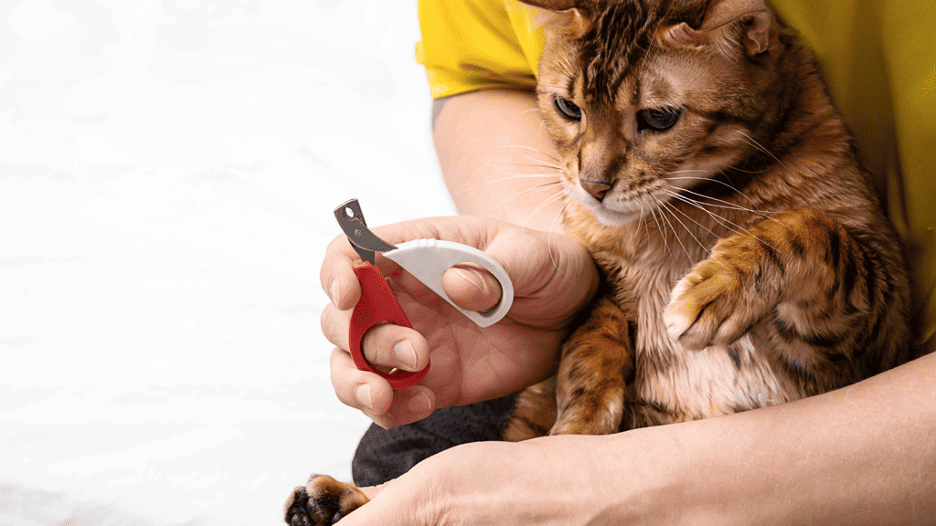
Start by getting your cat comfortable with having their paws handled during calm, relaxed moments. Gently press on their paw pads to extend the claws, and reward them with treats and praise for tolerating this handling.
When trimming, only cut the sharp, clear tip of the claw. Never cut into the pink area called the quick, which contains blood vessels and nerves. Cutting the quick will cause pain and bleeding, making future nail trims much more difficult.
Use sharp, cat-specific nail clippers for clean cuts that won’t split or crush the nail. Human nail clippers are not ideally designed for the curved shape of cat claws.
If your cat is resistant to nail trimming, start slowly by trimming just one or two nails per session, gradually building up their tolerance over time. Many cats eventually learn to accept and even enjoy nail trimming when it’s associated with positive experiences.
Scratching Posts and Surfaces: Meeting Your Cat’s Natural Needs
Providing appropriate scratching surfaces is essential for any cat household, regardless of whether you’re dealing with destructive scratching. The key lies in understanding what makes a scratching surface appealing to cats and ensuring you’re offering options that are more attractive than your furniture.
Characteristics of Ideal Scratching Surfaces
Height and stability are paramount considerations when selecting scratching posts. Cats need to be able to stretch their full body length when scratching, so posts should be at least 30-36 inches tall for most adult cats. The base must be heavy and wide enough to remain stable under vigorous scratching—wobbly posts will be abandoned quickly.
Texture variety helps accommodate different preferences. Some cats prefer sisal rope for its rough texture and satisfying resistance, while others are drawn to surfaces like cardboard, carpet, or natural wood. Offering multiple textures allows you to discover your cat’s preferences while providing variety for different moods and needs.
Strategic placement makes the difference between a used and ignored scratching post. Position posts near sleeping areas, entrances, and in socially significant areas where your cat spends time. Cats often scratch immediately after waking up, so placing a post near their favorite napping spot increases usage.
Orientation options matter because cats have individual preferences for vertical, horizontal, and angled scratching surfaces. While most cats prefer vertical scratching, some enjoy horizontal cardboard scratchers or angled posts that combine both vertical and horizontal scratching orientations.
Multi-Cat Households Require Multiple Options
In households with multiple cats, provide at least one scratching post per cat, plus one extra. This prevents competition and ensures that each cat has access to suitable scratching surfaces when needed.
Different cats may prefer different surfaces, so having a variety becomes even more important in multi-cat homes. What works perfectly for one cat might be completely ignored by another, making observation and experimentation essential.
Scratching Deterrents: Making Furniture Less Appealing
While providing appropriate scratching surfaces addresses your cat’s needs, deterrents help protect specific furniture pieces by making them less attractive or accessible for scratching.
Physical Barriers and Protective Coverings
Furniture covers designed specifically for pet protection can shield sofas, chairs, and other upholstered pieces from claw damage while maintaining the furniture’s functionality and appearance. Many of these covers are designed to be nearly invisible while providing complete protection.
Double-sided tape creates an unpleasant texture that most cats avoid. Apply tape to the edges and corners of furniture where cats are most likely to scratch. The sticky sensation on their paws discourages repeated attempts, yet it is harmless and easy to remove.
Plastic carpet runners with the nubby side facing up provide an uncomfortable surface that deters scratching without causing harm. These can be cut to size and temporarily attached to furniture during training periods.
Aluminum foil serves as both a physical and auditory deterrent, as most cats dislike the texture and sound of foil. While not the most aesthetically pleasing option, it can be effective for temporary protection during intensive training periods.
Scent-Based Deterrents
Citrus scents naturally repel most cats and can be applied to furniture through commercial sprays or by rubbing citrus peels on target areas. Refresh these scents regularly, as they tend to fade quickly and lose their effectiveness.
Commercial cat deterrent sprays often combine multiple scents that cats find unpleasant, such as citrus, eucalyptus, or bitter apple. These products are designed to be safe for both cats and furniture while providing lasting protection.
Essential oils like lavender, peppermint, or eucalyptus can deter scratching, but use them sparingly and ensure they’re cat-safe, as some essential oils can be toxic to felines. Always research the safety of any essential oil before using it around cats.
Nail Caps: Temporary Protection with Permanent Benefits
Nail caps, also known as nail sheaths or claw covers, represent an innovative solution that allows cats to scratch naturally while protecting furniture from damage. These small plastic or vinyl covers slip over trimmed claws and are secured with pet-safe adhesive.
How Nail Caps Work
Applied over properly trimmed nails, these caps create a blunt surface that can’t catch or tear fabric. Cats can still engage in the scratching behavior, satisfying their natural needs while minimizing the destructive aspect.
The caps typically last 4-6 weeks before naturally shedding as the claw grows. This coincides perfectly with regular nail trimming schedules, making maintenance straightforward and predictable.
Most cats adapt to nail caps quickly, often within a few hours to a couple of days. The caps are lightweight and designed not to interfere with regular walking, climbing, or other activities.
Application and Maintenance
Professional application by a veterinarian or groomer ensures proper fit and placement, especially for first-time users. Once you understand the process, the home application becomes relatively simple.
Select caps that are appropriately sized based on your cat’s weight and age. Caps that are too large will fall off quickly, while those that are too small can cause discomfort or interfere with normal claw function.
Monitor the caps regularly for signs of loosening or damage, and remove any that become partially detached to prevent ingestion. Most cats don’t attempt to chew the caps, but vigilance ensures safety.
Pros and Cons of Nail Caps
Benefits include immediate furniture protection, no interference with scratching behavior, and the ability to maintain your cat’s natural claws. The process is painless and reversible, making it an excellent option for rental situations or temporary protection needs.
Potential drawbacks include the need for regular replacement, possible initial stress during application, and reduced climbing ability for outdoor cats. Some cats may be able to remove the caps themselves, requiring more frequent monitoring and replacement.
Environmental Enrichment: Addressing the Root Causes
Sometimes destructive scratching stems from boredom, stress, or insufficient mental stimulation. Comprehensive environmental enrichment can reduce problematic scratching while improving your cat’s overall quality of life.
Mental Stimulation and Play
Interactive toys that mimic hunting behaviors offer mental exercise and a physical outlet, which can help reduce stress-related scratching. Puzzle feeders, feather wands, and motorized toys engage instincts in appropriate ways.
Regular play sessions, especially before meals and bedtime, help expend energy that might otherwise be directed toward destructive behavior, such as chewing on furniture. Tired, satisfied cats are less likely to engage in harmful behaviors.
Rotating toys helps prevent boredom and maintain interest over time. Store half of your cat’s toys and rotate them weekly to create novelty without constantly purchasing new items.
Vertical Territory and Climbing Options
Cat trees and wall-mounted shelving systems offer vertical territory that satisfies a cat’s climbing instincts while incorporating multiple scratching surfaces. These multi-functional pieces address several feline needs simultaneously.
Window perches offer entertainment and a sense of territory, often featuring scratching surfaces. Cats enjoy watching outdoor activity, and having a dedicated vantage point can reduce stress and territorial behaviors.
Stress Reduction Strategies
Consistent routines help anxious cats feel secure and can reduce stress-related scratching. Feed, play, and interact with your cat at regular times to create predictability in their environment.
Pheromone products like Feliway can help reduce anxiety-driven scratching by creating a calming environment. These synthetic versions of natural cat facial pheromones signal safety and security.
Safe spaces where cats can retreat when overwhelmed help manage stress before it escalates to destructive behavior. Provide quiet areas with comfortable bedding, water, and perhaps a scratching surface.
Training and Positive Reinforcement
Training your cat to use appropriate scratching surfaces while avoiding furniture requires patience, consistency, and positive reinforcement techniques that work with, rather than against, natural feline behavior.
Redirecting Scratching Behavior
When you catch your cat scratching furniture, calmly interrupt the behavior and immediately guide them to an appropriate scratching post. Avoid yelling or punishment, as they can increase stress and exacerbate the problem.
Reward successful use of scratching posts with treats, praise, or play immediately after scratching. This positive association helps establish the post as a preferred location for scratching.
Make scratching posts more appealing by rubbing them with catnip, playing near them, or placing treats on or around them. Some cats respond well to posts that have been “pre-scratched” to show their intended purpose.
Consistency Across Household Members
All family members must respond to scratching consistently to avoid confusing your cat. Develop clear guidelines about how to redirect scratching and ensure everyone follows the same approach.
Patience is essential during the training process, as cats may take several weeks to develop new habits. Consistent enforcement and positive reinforcement will eventually yield results.
Timing and Immediate Response
Address scratching behavior immediately when possible, as delayed responses are less effective for training. Cats learn best when consequences—both positive and negative—occur within seconds of the behavior.
Focus on preventing the behavior rather than punishing it after the fact. Supervision during high-scratching times, such as after meals or when excited, allows for proactive redirection.
Behavioral Modification Techniques
Advanced behavioral modification extends beyond simple redirection to address the underlying motivations for inappropriate scratching and foster lasting behavioral change.
Understanding Scratching Triggers
Identify patterns in your cat’s scratching behavior by noting when, where, and under what circumstances destructive scratching occurs. Common triggers include excitement when you return home, stress from changes in routine, or territorial responses to other cats.
Environmental factors such as the location of food, water, litter boxes, and resting areas can influence scratching patterns. Cats may scratch near resources they consider important or in areas where they feel vulnerable.
Creating Positive Associations
Place scratching posts in areas where inappropriate scratching has occurred, gradually making these locations more appealing for proper scratching. This redirects the territorial marking aspect of scratching to appropriate surfaces.
Use high-value rewards, such as special treats or favorite toys, only in association with proper scratching behavior. This creates strong positive associations with appropriate scratching surfaces.
Addressing Multi-Cat Dynamics
In multi-cat households, scratching can intensify due to territorial competition. Ensure adequate resources for all cats and consider separate scratching areas if competition becomes problematic.
Territorial scratching often occurs near entrances, food areas, and social gathering spots. Providing scratching options in these locations can prevent furniture damage while allowing natural territorial behaviors.
Medical Considerations and Health Benefits
Maintaining your cat’s natural claws and scratching behavior offers significant health benefits..
Physical Health Benefits
Regular scratching helps maintain proper claw health by removing the outer sheaths and preventing overgrowth that can lead to ingrown claws or infections. This natural maintenance is particularly important for senior cats who may be less active.
The stretching and muscle engagement involved in scratching provide important exercise for cats’ shoulders, back, and leg muscles. This is especially beneficial for indoor cats who may have fewer opportunities for physical activity.
Proper claw maintenance through scratching helps cats maintain their primary means of self-defense and escape. Even indoor cats benefit from retaining these natural abilities, which contribute to their confidence and security.
Psychological Well-being
Allowing natural scratching behavior supports your cat’s psychological health by providing an outlet for stress, excitement, and territorial instincts. Suppressing these natural behaviors can lead to anxiety and other behavioral problems.
The territorial marking aspect of scratching helps cats feel secure in their environment by establishing familiar scent markers throughout their territory. This is particularly important in multi-pet households or when environmental changes occur.
Long-term Health Considerations
Cats who undergo declawing often develop compensatory behaviors such as increased biting, litter box avoidance, or chronic pain issues. Maintaining natural claws and providing appropriate outlets prevents these secondary problems.
Regular nail trimming and proper scratching surfaces can prevent the need for more invasive interventions later in life, making claw maintenance an investment in your cat’s long-term health and comfort.